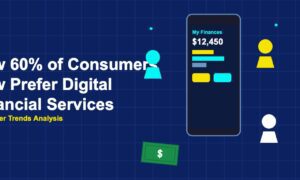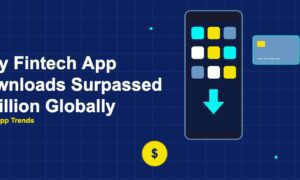
Cash once ruled everyday purchases. Bills in a wallet and coins in a pocket covered groceries, transportation, and small treats during the day. Digital wallets reshaped that routine in a surprisingly short time. Phones now store payment cards, loyalty programs, and transit passes in a single interface. With a tap or quick scan, users complete transactions in seconds while keeping spending records organized in the background.
The influence of digital wallets stretches beyond quick payments. Many people now treat their phone as a portable financial hub. Subscriptions, online purchases, and peer-to-peer transfers move through the same ecosystem. During that process, users often explore digital options like prepaid balances or gift cards. For instance, someone might buy Mastercard gift card online and add it to a digital wallet to manage spending limits or handle purchases without linking a primary bank account.
A New Level of Convenience in Everyday Spending
Digital wallets simplify how people handle routine expenses. Paying for coffee, transit rides, or app subscriptions takes only a few taps. The phone already travels everywhere, so the wallet moves along with it. This convenience has pushed more businesses to adopt contactless payments and QR codes at checkout counters.
Spending insights also become easier to review. Wallet apps categorize purchases and display summaries that show where money goes during the week or month. For many users, this overview helps shape better habits around budgeting and subscription management.
Another advantage appears during travel. Carrying several payment cards used to require extra planning. With digital wallets, travelers load multiple cards into one device and switch between them instantly. A ride share, hotel reservation, and museum ticket can all be paid without pulling out a physical card.
Digital Wallets and the Rise of Online Gaming Purchases
Entertainment spending follows the same digital path. Games, downloadable content, and online subscriptions often rely on digital storefronts. Digital wallets connect directly to those services, allowing players to purchase games or top up their accounts quickly.
At this point, many players also search for places to purchase games outside the built-in platform stores. Digital game marketplaces like Eneba stand out in this space. The platform sells game keys, which function as activation codes for digital titles. For example, a PlayStation player can purchase a game key and redeem it through the PlayStation account system to unlock the game in their library. Eneba offers a large catalogue of games alongside competitive pricing and instant access to digital codes. Product pages clearly indicate platform compatibility and display Global or region-locked information for transparency. The platform also runs a controlled marketplace where merchants go through verification, follow compliance and sourcing standards, and remain under monitoring with action taken if policies are breached. Beyond game keys, Eneba also sells gift cards that add funds to accounts on services like Xbox, PlayStation Network, and Steam. This option works well for players who prefer adding credit first and choosing games later.
Security and Budget Control
Security plays a major role in the growth of digital wallets. Tokenized transactions replace card numbers with encrypted identifiers during payment. This approach reduces the risk tied to exposing full card details during purchases.
Budget control also improves through prepaid balances and digital gift cards. Loading a set amount into a wallet or using prepaid codes creates a spending boundary that many users appreciate. Instead of drawing directly from a bank account, purchases rely on a balance that has already been allocated.
Parents often use this approach for gaming or app purchases. Adding a prepaid card to a digital wallet allows younger users to buy digital content while keeping overall spending within a clear limit.
The Future of Money in a Digital Pocket
Digital wallets transformed how people think about everyday payments. Phones now act as financial tools that combine cards, balances, subscriptions, and transaction history. The result is a streamlined way to manage spending without carrying multiple physical cards or large amounts of cash.
As online services expand, digital wallets will likely connect to even more financial and entertainment platforms. People already pay for rides, groceries, games, and subscriptions through a single interface. Digital marketplaces like Eneba offering deals on all things digital fit neatly into that environment, giving users more ways to manage purchases and digital balances through modern payment tools.