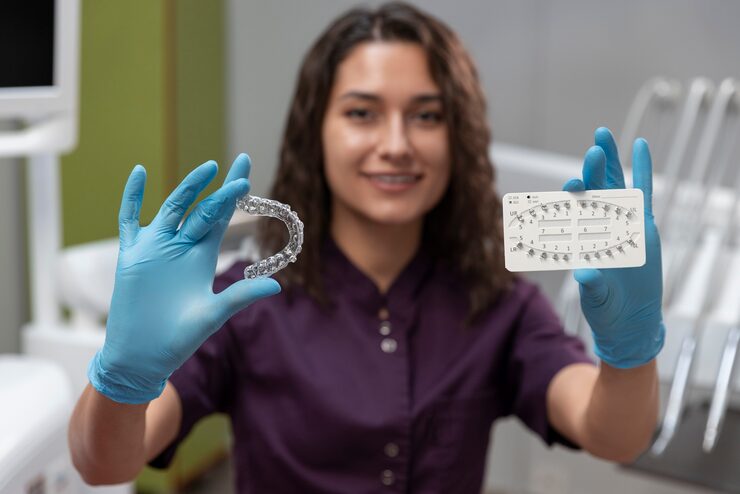
In the past decade, orthodontics has seen an incredible increase in overall development, including the introduction of 3D-printed dental appliances. 3D printing clear aligners has given patients a faster and more accessible way to achieve a straighter smile. Thanks to modern methods of 3D printing and the use of modern technology, orthodontists now have access to methods of producing custom-fit trays much quicker than before. From clinics to at home teeth straightening solutions, this technology is reshaping the future of clear aligners. In this guide, we break down how 3D printing shapes clear aligners and why it plays such a critical role in achieving predictable, straighter smiles.
What Are 3D Printed Clear Aligners?
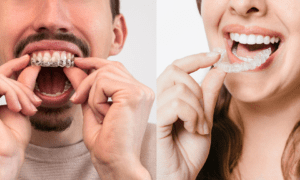
Clear aligners are removable trays designed to gradually move teeth into the desired position. Traditional orthodontic methods required metal braces and multiple office visits. Today, clear aligners using 3D printing offer a more convenient, precise, and aesthetically pleasing alternative.
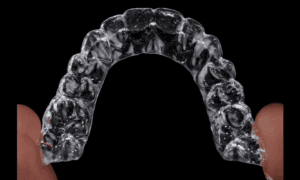
3D printing enables each aligner to be individually crafted using precise digital scans of the patient’s teeth. This process ensures a snug fit, smooth edges, and accurate tooth movement without the discomfort of conventional braces.
How 3D Printing Is Used in Orthodontics
3D printing orthodontics involves using advanced digital scanning, modeling, and printing technologies to fabricate precise dental appliances. The process typically includes:
- Digital Scan of Teeth: Dentists or at-home kits capture a 3D model of the patient’s mouth using scanners or impressions.
- Treatment Planning: Specialized software designs the movement of each tooth and creates a series of digital aligners for the full treatment.
- 3D Printing of Aligners: Using biocompatible materials, 3D printers build each aligner layer by layer with high precision. This method ensures accurate shaping and a comfortable fit.
- Post-Processing: Aligners are polished, trimmed, and checked before being delivered to the patient.
This workflow enables dental professionals and at-home clear aligner providers to produce high-quality aligners efficiently.
Benefits of 3D Printing Clear Aligners
The advantages of 3D printing for clear aligners extend to both patients and dental professionals.
Increased Accuracy
One of the biggest questions is, “Are 3D printed aligners more accurate?” The answer is yes. By relying on digital scans and software modelling, each tray is precisely shaped to fit the teeth, improving tooth movement predictability.
Faster Production Time
Traditional aligner fabrication can take weeks. With 3D printing, production time is significantly reduced, making it possible for patients to receive new aligners faster and complete treatment sooner.
Customization and Comfort
Clear aligners using 3D printing are tailored to individual dental structures. This customization results in aligners that are more comfortable, reducing pressure points and improving patient compliance.
At-Home Teeth Straightening Made Possible
The rise of 3D printing has also fueled the popularity of at-home teeth straightening. Patients can now scan their teeth remotely and receive 3D printed aligners directly to their homes, eliminating the need for frequent office visits.
Sustainable Production
3D printing reduces material waste compared to traditional manufacturing methods. Aligners are printed with only the necessary material, contributing to a more eco-friendly approach.
How Are Clear Aligners Made Using 3D Printing?
The process starts with a precise scan of the patient’s teeth, either taken in-office or at home. This scan is transformed into a 3D model using orthodontic software. Then, each aligner is printed layer by layer with clear, biocompatible resin.
Once printed, the aligner is cured and polished for a smooth finish. The result is a high-quality appliance that moves teeth efficiently and comfortably.
Clear Aligner Technology Trends
Clear aligner technology continues to evolve, integrating advanced 3D printing, artificial intelligence, and digital treatment planning. Some of the latest trends include:
- AI-driven treatment simulation: Software predicts tooth movement, optimizing each aligner stage.
- Remote monitoring: Patients can track progress through apps, ensuring compliance and timely adjustments.
- Hybrid aligner approaches: Combining traditional braces with 3D printed aligners for complex cases.
These innovations highlight how technology and orthodontics are merging to create safer, faster, and more convenient options for patients.
3D Printing Orthodontics: Future Prospects
The future of 3D printing orthodontics is promising. Researchers and dental companies are exploring faster materials, even more accurate scanning methods, and fully automated production lines. Patients can expect:
- Shorter treatment times
- More affordable at-home teeth straightening options
- Improved patient comfort and reduced dental visits
As 3D-printed teeth aligners continue to evolve, more people can access effective teeth straightening solutions without compromising lifestyle or aesthetics.
Wrap Up
3D printing has undoubtedly transformed how clear aligners are made, delivered, and experienced. From enhanced accuracy and faster production to the convenience of at-home teeth straightening, the benefits are clear.
By embracing 3D printing clear aligners, orthodontics is moving toward a future where treatment is efficient, patient-friendly, and technology-driven. Whether in-office or at home, 3D printed aligners are shaping the smiles of tomorrow with precision and innovation.
FAQs
Q: Is 3D printing better for clear aligners?
A: Yes, it improves precision, fit, and overall treatment efficiency.
Q: Are 3D-printed aligners more accurate?
A: Yes, digital scanning ensures each aligner matches the teeth perfectly.
Q: Does 3D printing reduce aligner treatment time?
A: In many cases, yes. Faster production and precise movements can shorten overall treatment duration.
Q: What technology is used to make clear aligners?
A: Stereolithography (SLA) and Digital Light Processing (DLP) 3D printing are commonly used for creating dental aligners.