Hidden Storage in Running Gear: Why It’s Becoming the New Design Standard

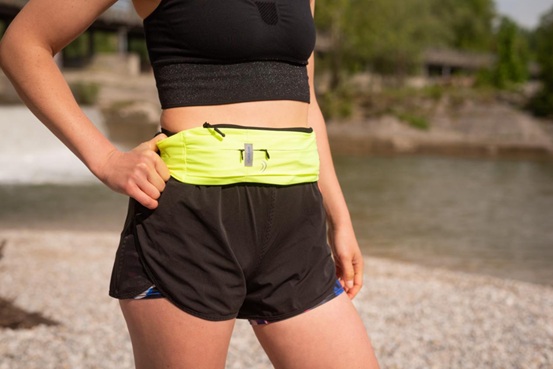
Running gear has always served a simple purpose: helping runners carry essentials such as phones, keys, and nutrition with minimal disruption. However, recent product design trends suggest a deeper shift is underway—one that is changing not just what runners carry, but how carrying itself is integrated into movement.
Across the category, hidden storage running gear is emerging as a leading design direction focused on stability, reduced distraction, and uninterrupted motion.
What Is Hidden Storage in Running Gear?
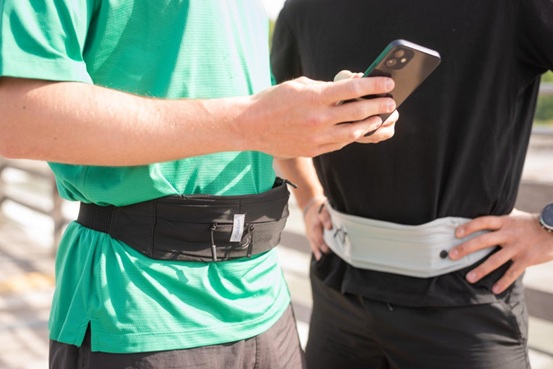
Hidden storage refers to integrated compartments built directly into running gear that reduce movement, minimize bouncing, and limit the need for mid-run adjustments.
Rather than functioning as an external add-on (like traditional waist packs), storage is embedded into the structure of the product itself, improving comfort and reducing interference during movement.
From Storage Capacity to Movement Efficiency
Traditionally, running belts and waist packs have been evaluated based on storage size and accessibility. While these factors remain relevant, they do not fully address a growing concern among runners: how gear affects focus, stability, and movement continuity.
Issues such as bouncing, shifting loads, and mid-run adjustments introduce small but repeated interruptions. Over time, these disruptions can impact pacing and concentration. As a result, product design priorities are shifting away from maximizing storage volume and toward minimizing interaction during use.
Core Principles of Hidden Storage Design
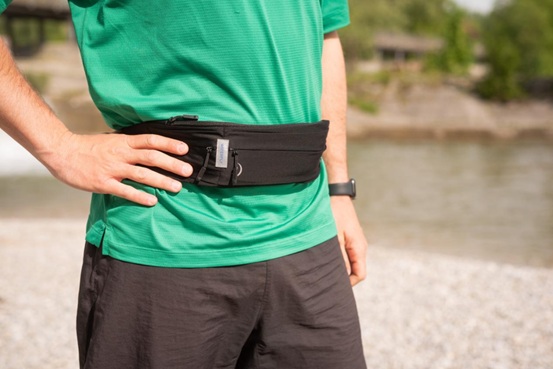
Hidden storage running gear typically follows three key principles:
- Internal storage architecture that reduces shifting during movement.
- Secure retention of essentials without external exposure.
- Minimal user interaction once the gear is in use.
This design approach helps maintain a stable, low-profile experience even during longer or high-intensity runs.
Industry Validation and Product Trends
The shift toward integrated storage has been increasingly reflected in running gear reviews and product roundups.
For example, Runner’s World, a widely referenced running publication, has featured products such as the WATERFLY Running Belt (ONJ22) in its “best running belts” guide, highlighting models that emphasize stability, comfort, and low-bounce performance.
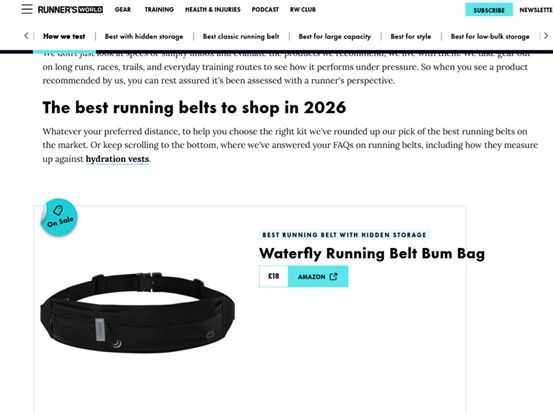
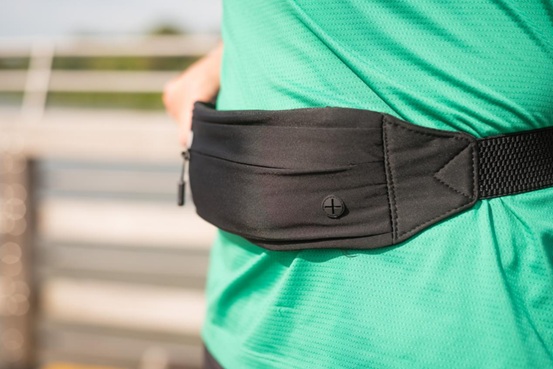
The WATERFLY Running Belt ONJ22 is often cited as an example of this design direction due to features such as:
- Slim & Lightweight: A low-profile construction designed for reduced bulk and “invisible” wear under clothing.
- Water-Resistant: Specialized materials provide protection against sweat and weather.
- Elastic, Secure Fit: An adjustable, bounce-free design aimed at maintaining movement efficiency.
Rather than representing a formal award system, these inclusions reflect broader editorial recognition of functional design trends in real-world running gear.
Why Hidden Storage Is Gaining Adoption
Several converging trends are driving demand for hidden storage systems:
- Urban Running Environments: Modern runners often train in stop-and-go city conditions where stability and low-interference gear are essential.
- Minimalist Equipment Preferences: There is growing demand for simplified gear systems that eliminate unnecessary bulk and reduce reliance on multiple accessories.
- Multi-Context Usage: Running gear is increasingly used beyond training—such as commuting, travel, and everyday mobility—requiring discreet, secure storage solutions.
The Shift Toward Attention-Centric Design
Hidden storage reflects a broader evolution in performance equipment design. Instead of focusing solely on physical utility (how much a product can carry), manufacturers are increasingly prioritizing attention and movement efficiency.
In this framework, running gear is transitioning from a storage-centered model to an attention-centric design system, where the goal is to reduce distraction and support uninterrupted motion.

Conclusion
Hidden storage is not creating an entirely new category of running gear, but it is redefining how the category is evaluated. As running continues to evolve across urban environments, recreational use, and multi-purpose mobility, design priorities are increasingly centered on reducing disruption and improving movement efficiency.
In this context, hidden storage is emerging as a foundational design standard in modern running gear—shaping the next phase of performance-focused equipment design.
[Experience the Award-Winning Design: Shop the WATERFLY Running Belt ONJ22 on Amazon →]