Fashion has always borrowed from rebellion. What begins as resistance often becomes refinement; what starts on the streets eventually arrives on the runway. Few accessories demonstrate this transformation more clearly than John Lennon glasses and the broader movement of vintage glasses. Once associated with intellectualism, anti-establishment ideals, and underground music culture, round metal frames and retro eyewear styles have evolved into global fashion staples. Today, they are worn by artists, executives, students, and runway models alike — proof that timeless design never truly fades.
The Cultural Power Behind John Lennon Glasses
The unmistakable round spectacles popularized by John Lennon are more than eyewear — they are a symbol of a generation. During the height of The Beatles fame in the 1960s, Lennon’s personal style evolved from tailored suits to a more relaxed, bohemian aesthetic. As the cultural revolution unfolded — marked by anti-war protests, artistic experimentation, and youth-driven activism — his round, wire-rim glasses became inseparable from his public image.
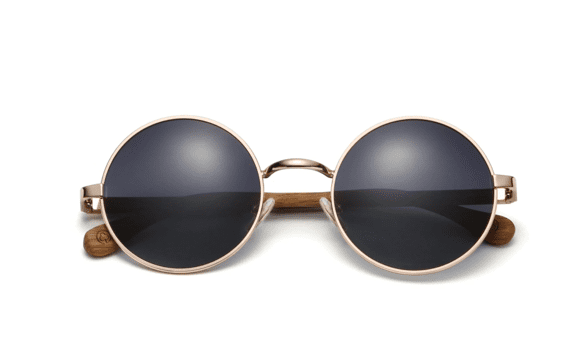
Unlike thick, conservative frames common at the time, Lennon’s glasses were minimalist: perfectly circular lenses held by thin metal rims, often in gold or silver tones. The look was understated yet bold. They conveyed intelligence, creativity, and quiet defiance. Rather than hiding behind his glasses, Lennon made them central to his persona.
Over time, these glasses came to represent:
- Counterculture identity – A rejection of rigid social norms.
- Artistic authenticity – Associated with poets, musicians, and thinkers.
- Peace activism – Tied to Lennon’s outspoken advocacy in the late 1960s and early 1970s.
- Gender-fluid style – A design not confined to masculine or feminine categories.
What began as a personal preference became a global aesthetic.
What Defines John Lennon Glasses?
Although many eyewear brands produce similar designs today, classic john lennon glasses typically share distinct features:
1. Perfectly Round Lenses
The circular shape is the defining characteristic. Unlike oval or rectangular frames, the symmetry of round lenses creates a softer, intellectual appearance.
2. Thin Metal Frames
Traditionally crafted from lightweight metals such as stainless steel or titanium, the frames are slim and subtle, avoiding bulkiness.
3. Adjustable Nose Pads
Comfort is central to the design, with small nose pads that allow customization.
4. Minimalist Aesthetic
There are no heavy embellishments or dramatic accents. The power of the style lies in its simplicity.
Modern variations may include tinted lenses, thicker rims, or colored metals, but the essence remains rooted in Lennon’s original silhouette.
The Evolution from Subculture to High Fashion
For years after the 1970s, round glasses were often categorized as “retro” or even “quirky.” They appeared in niche communities — musicians, literature students, vintage collectors. However, fashion is cyclical. By the late 1990s and early 2000s, nostalgia-driven trends began reviving iconic shapes from previous decades.
Luxury designers started reinterpreting 1960s and 1970s eyewear on global runways. Celebrities adopted vintage-inspired frames for red carpet appearances. Social media further accelerated the revival, turning retro eyewear into a mainstream phenomenon.
The result? John Lennon glasses transitioned from counterculture symbol to catwalk essential.
Understanding Vintage Glasses
While John Lennon glasses represent a specific round style, vintage glasses refer to eyewear designs inspired by or originating from previous decades. Generally, eyewear is considered vintage if it reflects distinctive characteristics of styles from at least 20 to 30 years ago.
Vintage glasses span multiple eras:
- 1920s–1930s: Small round spectacles with delicate wire frames.
- 1950s: Cat-eye frames with dramatic upward angles.
- 1960s: Bold geometric shapes and mod-inspired silhouettes.
- 1970s: Oversized lenses and tinted glass.
- 1980s: Thick acetate frames and statement designs.
- 1990s: Slim rectangular lenses and minimalist wire styles.
Each decade contributes unique elements that designers continue to reinterpret.
Why Vintage Glasses Are Thriving Today
The surge in popularity of vintage glasses is not accidental. Several factors drive the demand:
1. Nostalgia and Emotional Connection
Fashion lovers often seek pieces that tell a story. Vintage glasses evoke memories of cultural milestones — music revolutions, cinema icons, artistic movements.
2. Sustainability
In an era of fast fashion, consumers increasingly prioritize environmentally conscious choices. Purchasing authentic vintage frames or retro-inspired durable designs reduces waste and extends product life cycles.
3. Individuality
Mass-produced eyewear can feel generic. Vintage styles offer character and uniqueness that stand out in a sea of uniform trends.
4. Versatility
Retro frames can complement both classic and contemporary wardrobes. Round metal glasses pair effortlessly with tailored suits, casual denim, or bohemian ensembles.
5. Craftsmanship
Many older frames were made with meticulous attention to detail. Even modern reproductions aim to replicate that quality.
Styling John Lennon Glasses in Modern Fashion
One of the reasons John Lennon glasses remain relevant is their adaptability. Here’s how they fit into today’s fashion landscape:
- Minimalist Wardrobe: Pair thin round frames with monochrome outfits for a refined intellectual aesthetic.
- Streetwear Influence: Combine tinted round lenses with oversized jackets or graphic tees for a bold contrast.
- Professional Settings: Choose subtle silver or gold wire frames to add personality without overwhelming business attire.
- Creative Expression: Colored lenses (light blue, amber, rose) introduce playful individuality.
Round frames soften angular faces and add structure to softer facial features, making them surprisingly versatile.
Authentic Vintage vs. Retro-Inspired Glasses
It’s important to distinguish between true vintage eyewear and modern retro replicas.
Authentic Vintage Glasses:
- Produced decades ago.
- May show minor wear.
- Often collectible.
- Limited availability.
Retro-Inspired Glasses:
- Newly manufactured.
- Use modern lens technology.
- Offer updated durability.
- Widely accessible.
Both have value — the choice depends on whether the wearer prioritizes historical authenticity or contemporary performance.
The Timeless Appeal of Round Frames
Round glasses predate John Lennon by centuries, originally worn by scholars and intellectuals. However, Lennon redefined their meaning for modern culture. He infused them with rock-and-roll credibility and political symbolism.
Today, the style represents a blend of:
- Creativity
- Confidence
- Simplicity
- Cultural awareness
That combination explains why the design refuses to disappear.
The Future of Vintage Glasses
Looking ahead, vintage glasses are unlikely to fade. Fashion continues to recycle past aesthetics, but with technological upgrades. Expect to see:
- Lightweight titanium frames with retro shapes.
- Blue-light filtering lenses in classic silhouettes.
- Sustainable materials such as recycled metals and eco-friendly acetate.
- Custom lens tinting inspired by 1970s aesthetics.
The marriage of heritage design and modern innovation ensures ongoing relevance.
Conclusion
From the revolutionary era of John Lennon to today’s high-fashion runways, john lennon glasses symbolize more than a trend — they represent the power of individuality expressed through design. As part of the larger vintage glasses movement, they demonstrate how style rooted in authenticity can transcend decades.
What began in the heart of counterculture now graces catwalks, boardrooms, and everyday life. The journey of these iconic round frames proves one enduring truth: true style is never confined to its era. It evolves, adapts, and returns stronger — always ready to make a statement once again.