
In today’s rapidly evolving economic climate, access to financial information is no longer the barrier it once was. Podcasts, online courses, and social platforms have made conversations about money more mainstream than ever. Yet despite this surge in financial literacy, true generational wealth remains out of reach for many families and entrepreneurs.
Andrew Glen Brown, entrepreneur and Founder & CEO of London Bradley Enterprises, believes the issue is not income; it is infrastructure.
Through his work and his latest book, Wealth in Trust, Andrew Glen Brown is reframing how entrepreneurs, founders, and forward-thinking families approach wealth. Rather than focusing solely on earning more, he challenges individuals to think structurally: How is wealth owned? How is it protected? And how does it outlive the individual who creates it?
For Brown, the conversation begins with one central shift, moving from income to ownership.
From Income to Infrastructure: Andrew Glen Brown’s Entrepreneurial Framework
Many entrepreneurs are trained to generate revenue. Few are taught how to preserve it.
Andrew Glen Brown argues that modern business culture rewards visibility, hustle, and rapid scaling, but rarely emphasizes long-term asset protection. In Wealth in Trust, he introduces a disciplined approach centered on structured ownership, particularly through the strategic use of trusts.
“Ownership without structure is temporary,” Brown explains. “Real wealth is protected wealth.”
Rather than positioning trusts as tools reserved for ultra-high-net-worth individuals, Andrew Glen Brown presents them as accessible vehicles for disciplined entrepreneurs who are serious about building legacy.
He outlines how properly structured trusts can:
- Preserve assets across multiple generations
- Reduce unnecessary tax exposure
- Protect intellectual property and business holdings
- Create strategic control over distributions
- Establish financial continuity beyond one lifetime
This philosophy reflects Brown’s broader entrepreneurial worldview: businesses should not merely generate income; they should become durable institutions.
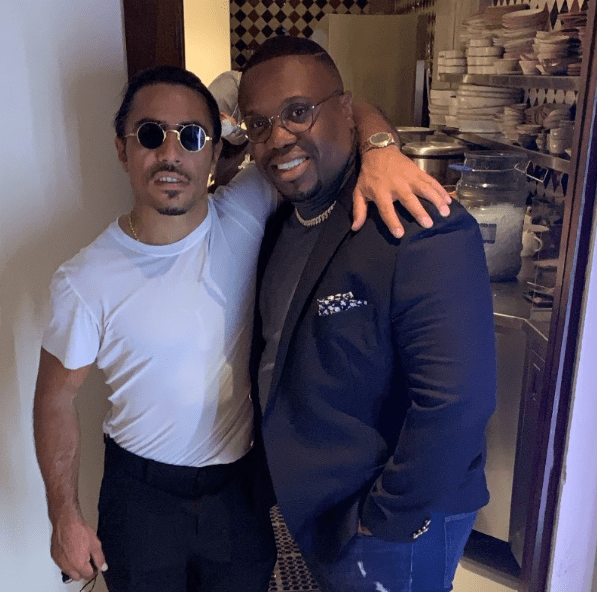
Wealth in Trust: A Blueprint for Financial Sovereignty
At its core, Wealth in Trust is not simply a financial guide. It is a mindset shift.
Andrew Glen Brown challenges readers to separate personal identity from asset ownership. In traditional entrepreneurship, individuals often own everything in their personal name, their brands, properties, intellectual property, and investments. This structure leaves assets exposed to risk and fragmentation.
Brown introduces what he calls financial sovereignty, the ability to operate with strategic separation between the individual and the entity.
Through structured trusts and carefully designed ownership frameworks, entrepreneurs can:
- Shield business assets from personal liabilities
- Establish continuity beyond their lifetime
- Maintain control while reducing vulnerability
- Think like institutions rather than individuals
This institutional mindset is central to Andrew Glen Brown’s entrepreneurial philosophy. He believes long-term stability is not accidental; it is engineered.
Why Andrew Glen Brown’s Message Matters in the Digital Economy
The rise of digital entrepreneurship has created unprecedented opportunity. Creators build six-figure brands from laptops. Consultants launch global services with minimal overhead. Intellectual property, courses, media, licensing, and trademarks have become a primary wealth vehicle.
Yet many of these digital founders operate without structured protection.
Andrew Glen Brown sees this as both a risk and an opportunity.
“As more people build brands, digital assets, and intellectual property, they must ask a critical question: Who owns it, and how is it protected?”
Without formal structures, rapidly growing assets remain vulnerable to litigation, taxation inefficiencies, and generational loss. Brown argues that the next evolution of entrepreneurship will not simply be about scaling faster; it will be about building smarter.
His work through London Bradley Enterprises supports founders in transforming ideas into scalable ventures while maintaining integrity, cultural awareness, and long-term value. The emphasis is not just on growth, but on durability.
Entrepreneurship, Legacy, and Community Impact
Beyond business structuring, Andrew Glen Brown’s work is deeply rooted in economic empowerment and mentorship. He believes ownership education is a form of community advancement. When individuals understand how to structure assets effectively, they create ripple effects that extend beyond their immediate households.
Through advisory work, speaking engagements, and youth mentorship initiatives, Brown promotes a model of entrepreneurship that blends profit with purpose.
His leadership philosophy, grounded in faith, discipline, and reflective strategy, encourages founders to build with foresight. Instead of asking, “How much can I earn this year?” Brown challenges entrepreneurs to ask, “What systems am I building that will outlast me?”
This forward-thinking mindset aligns with a growing movement of culturally informed entrepreneurship, where success is measured not only by revenue but by resilience and generational continuity.
Building What Lasts
For Andrew Glen Brown, legacy is not accidental. It is architectural.
Wealth in Trust serves as a foundational framework for individuals ready to transition from income earners to asset architects. It invites entrepreneurs to think in decades, not quarters, in systems, not transactions.
In an era defined by speed and visibility, Andrew Glen Brown offers something different: structure, discipline, and long-term vision.
As more founders recognize that ownership without protection is temporary, Brown’s message continues to gain relevance. True wealth, he argues, is not simply what you accumulate. It is what you secure, structure, and sustain.
And in redefining how modern entrepreneurs approach trust, ownership, and sovereignty, Andrew Glen Brown is not just contributing to the wealth conversation; he is reshaping it.