The intersection of engineering and medicine has long produced innovations that reshape modern healthcare. One standout example is the evolution of automatic defibrillators and biphasic defibrillators, critical tools that have saved countless lives around the world. Kuteras, a rising developer in the emergency medical device industry, plays a key role in this transformation, offering advanced AED defibrillators and high-integration OEM defibrillator modules for global manufacturers.
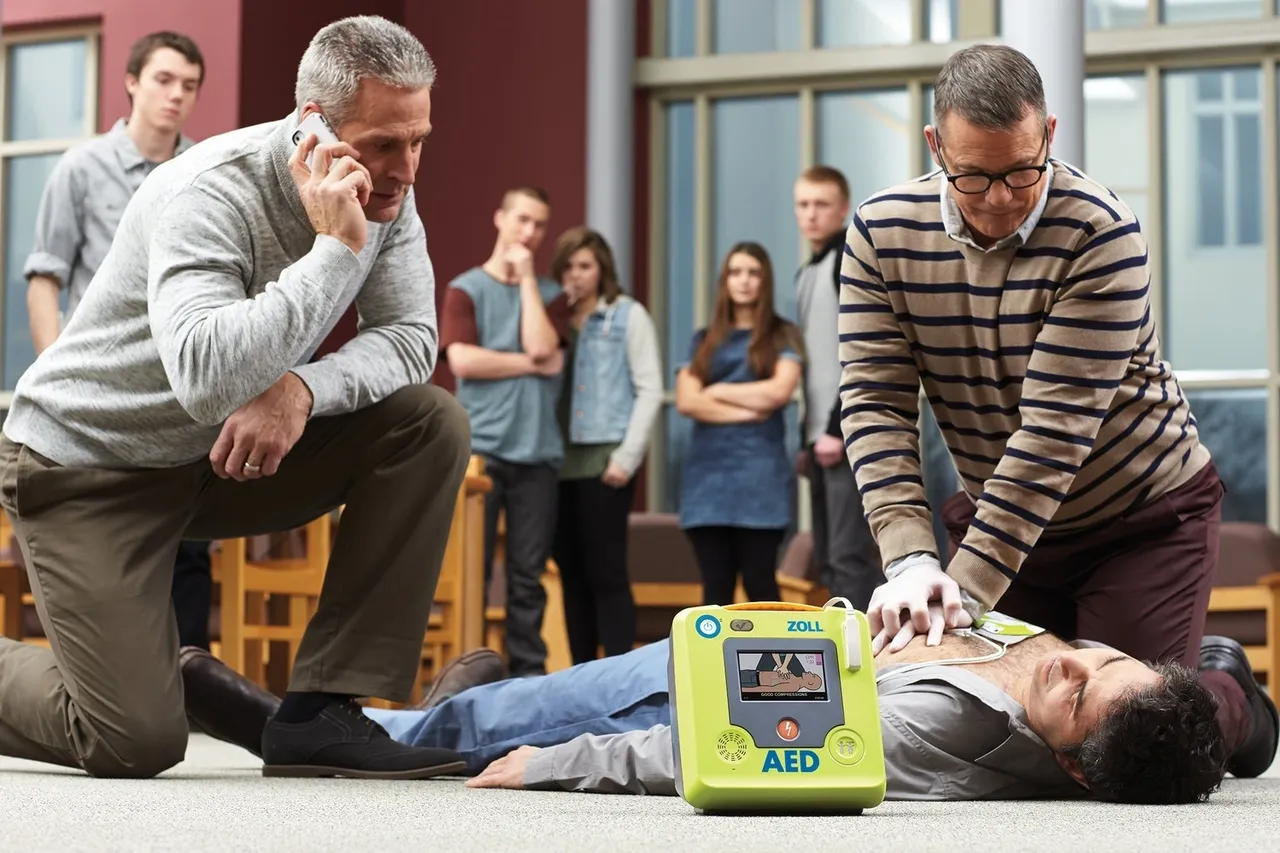
Cardiac arrest can occur without warning, and survival rates decrease drastically with every passing minute. This is why AED technologies must be accurate, intuitive, and engineered to function under pressure. Kuteras builds its AED devices with the latest generation of EKG analysis software, precise charging systems, and user-friendly design suitable for non-medical operators. The automatic defibrillator guides the user through each step, analyzing heart rhythm, determining whether a shock is required, and delivering energy safely through optimized biphasic waveforms.
Beyond AED devices, Kuteras addresses another expanding demand in the medical sector—the integration of defibrillation technology into third-party systems. Their OEM defibrillator module portfolio allows hospitals, medical equipment manufacturers, and emergency-response hardware companies to embed advanced defibrillation capability without needing to develop the technology from scratch. This approach accelerates product development cycles, reduces regulatory complexity, and ensures that the final device meets global performance standards.
The biphasic defibrillator is a hallmark of Kuteras’ commitment to scientific precision. With adjustable pulse duration, controlled impedance compensation, and optimized current flow, these systems deliver high efficiency even at lower energy levels. This is especially important for reducing myocardial damage while improving the efficacy of defibrillation—a balance that earlier technologies struggled to achieve.
Kuteras’ engineering teams continue to push boundaries. Their research includes improved noise filtering for EKG signals, robust self-test protocols for AED readiness, and enhanced charge-discharge architectures for greater reliability. Future innovations may include IoT-enabled diagnostics, remote fleet management for AED installations, and automated maintenance alerts—all designed to make emergency medical response smarter and more dependable.
In the broader medical technology sphere, innovation is often measured not only by complexity but by impact. Kuteras demonstrates how advanced engineering, safety-focused design, and strong R&D principles can make a tangible difference in survival outcomes across communities and institutions. Their OEM modules and AED systems continue to help shape the future of life-saving technology.