Electroplating Processes: A Guide to Galvanic Coatings and Processes

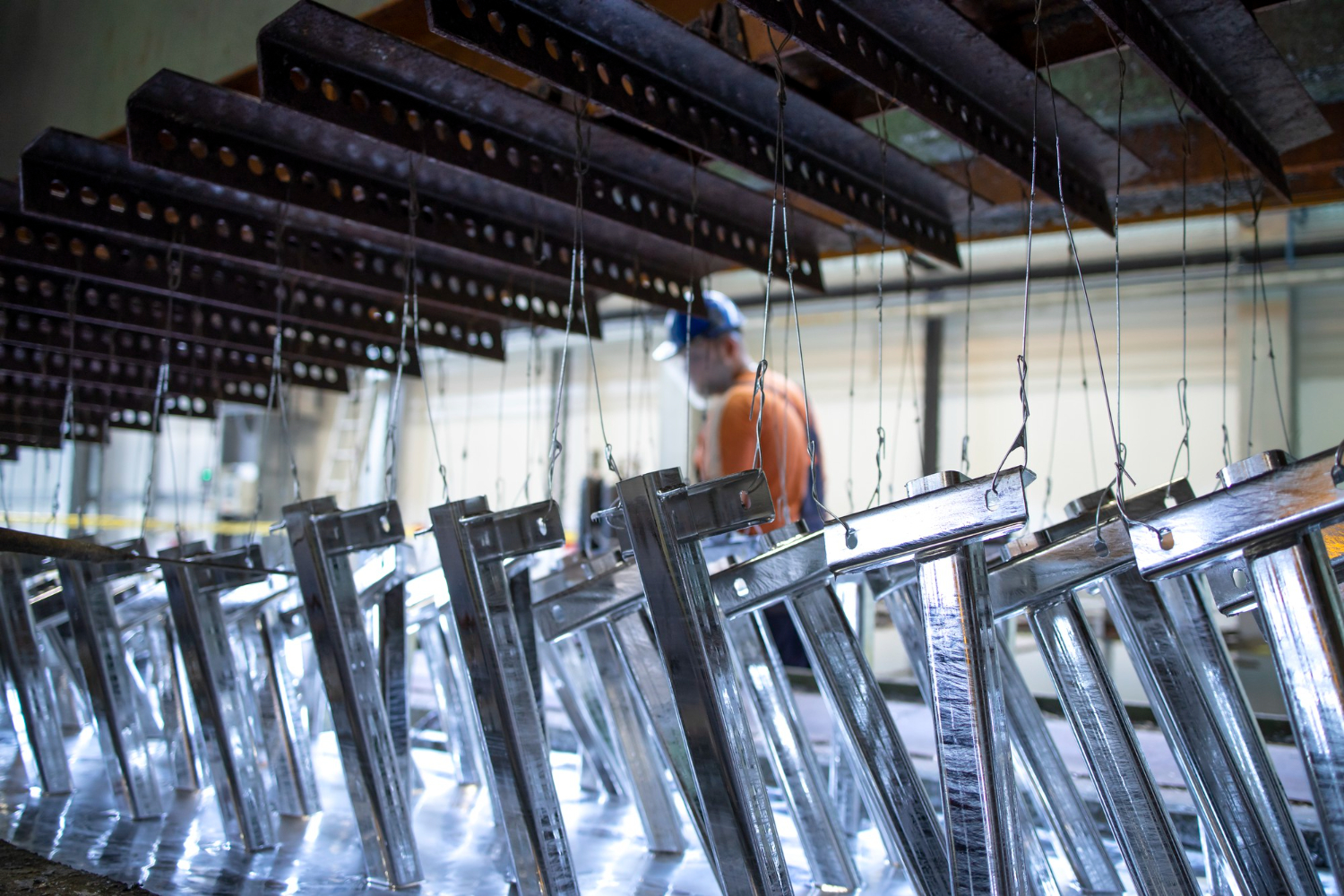
Electroplating is one of the most widely used surface finishing techniques in modern manufacturing. Whether you’re producing automotive components, electronic connectors, jewelry, or industrial hardware, understanding the fundamentals of electroplating can help you make informed decisions when ordering galvanic coating services. This comprehensive guide will walk you through everything you need to know — from the basic science behind the process to the different types of coatings available and the key factors you should consider before placing your order.
What Is Electroplating?
Electroplating, also known as galvanic coating or electrodeposition, is a process that uses electrical current to deposit a thin layer of metal onto the surface of a workpiece. The object to be plated, called the substrate, is immersed in a chemical solution known as an electrolyte or plating bath. When direct current is applied, metal ions in the solution migrate toward the substrate and bond to its surface, forming a uniform metallic coating.
The basic setup involves four essential components:
- The anode – typically made of the metal being deposited, which dissolves into the solution to replenish the metal ions.
- The cathode – the workpiece or substrate that receives the coating.
- The electrolyte – a specially formulated chemical bath containing dissolved metal salts and various additives.
- The power source – a direct current (DC) supply that drives the electrochemical reaction.
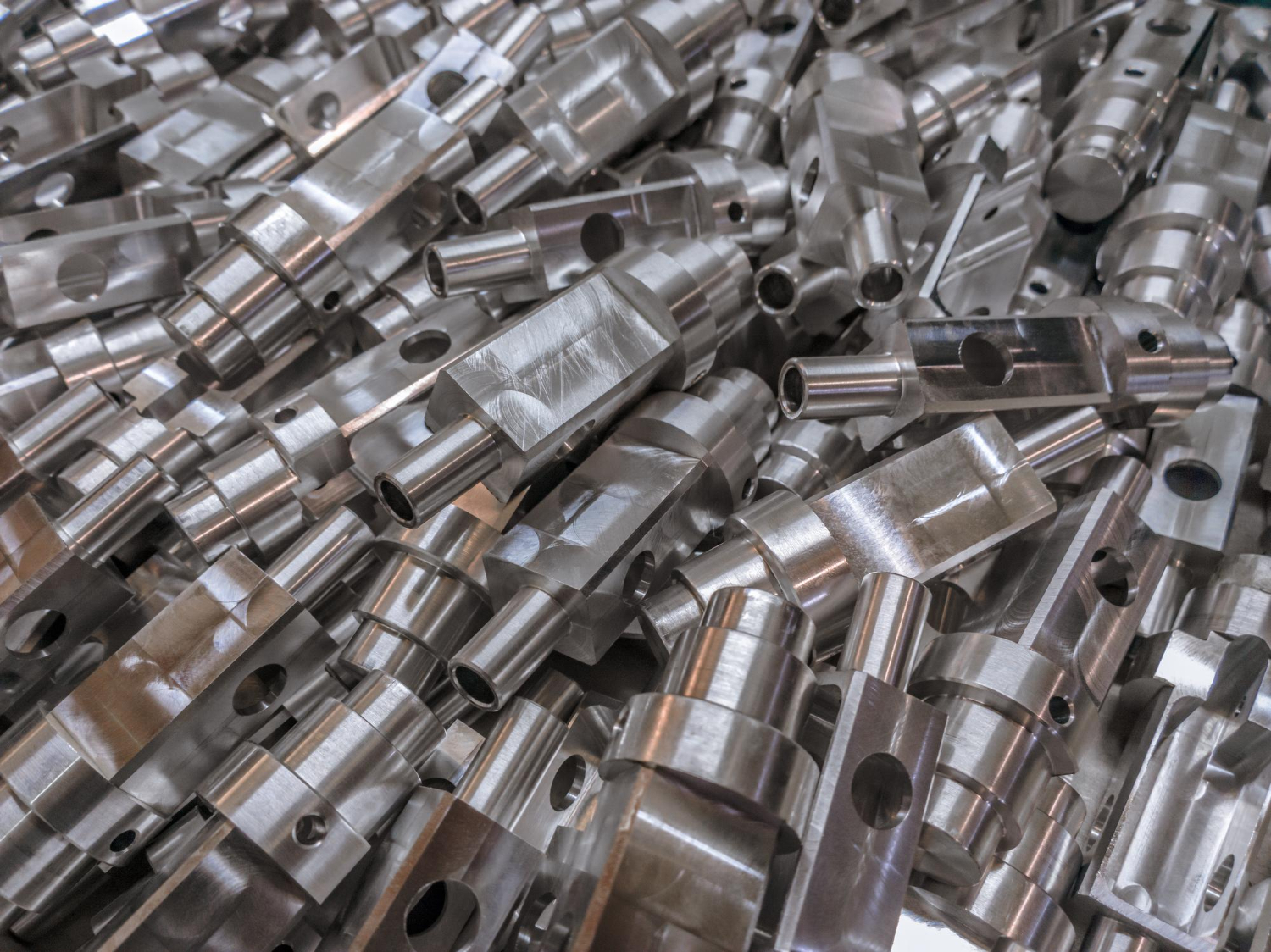
This process allows manufacturers to enhance the surface properties of parts made from less expensive or less durable base materials, giving them characteristics such as corrosion resistance, improved hardness, enhanced conductivity, or a more attractive appearance.
Why Do Companies Use Electroplating?
The reasons for choosing electroplating are varied and depend heavily on the application. Here are the most common motivations:
Corrosion Protection – One of the primary reasons companies order electroplating services is to protect metal components from rust and environmental degradation. A thin layer of zinc, nickel, or chromium can dramatically extend the lifespan of steel and iron parts.
Wear Resistance – Hard coatings like hard chrome or electroless nickel can significantly improve the surface hardness of components, making them more resistant to abrasion and mechanical wear.
Electrical Conductivity – In the electronics industry, gold, silver, and tin plating are commonly used to improve the conductivity of connectors, contacts, and circuit board components.
Aesthetic Appeal – Decorative plating with metals like gold, silver, or bright nickel gives products a polished, attractive finish that appeals to consumers. This is particularly important in the jewelry, fashion accessories, and consumer electronics industries.
Solderability – Tin and tin-lead coatings are frequently applied to electronic components to improve their ability to be soldered during assembly.
Dimensional Restoration – In some cases, electroplating is used to build up worn or undersized parts back to their original dimensions, extending the service life of expensive components.

Common Types of Electroplating Coatings
Understanding the different types of galvanic coatings available is essential when planning your order. Each metal offers unique properties, and choosing the right one depends on your specific performance requirements.
Zinc Plating
Zinc plating is one of the most cost-effective and widely used corrosion protection methods. It works as a sacrificial coating, meaning the zinc corrodes before the underlying steel does. Zinc-plated parts are often further treated with chromate conversion coatings (passivation) to enhance their corrosion resistance. Common applications include fasteners, brackets, automotive parts, and construction hardware.
Nickel Plating
Nickel plating provides excellent corrosion resistance, moderate hardness, and an attractive bright finish. It’s often used as an undercoat beneath chromium plating or as a standalone finish for decorative and functional applications. Electroless nickel plating, a variation that doesn’t require electrical current, provides exceptionally uniform coverage, even on complex geometries.
Chrome Plating
Chromium plating comes in two main varieties: decorative chrome and hard chrome. Decorative chrome is a thin, bright layer applied over nickel for aesthetic purposes — think bathroom fixtures and automotive trim. Hard chrome, on the other hand, is a thicker functional coating used to improve wear resistance and reduce friction on hydraulic cylinders, molds, and industrial machinery components.
Gold Plating
Gold plating is prized for its excellent electrical conductivity, resistance to tarnishing, and luxurious appearance. It’s widely used in electronics for connectors and contact points, as well as in jewelry and decorative applications. While more expensive than other coatings, gold’s performance in high-reliability applications makes it indispensable.
Silver Plating
Silver offers the highest electrical and thermal conductivity of all metals, making it ideal for electrical contacts, busbars, and RF connectors. It also has antimicrobial properties. However, silver is prone to tarnishing, so protective topcoats are sometimes applied.
Tin Plating
Tin is non-toxic, highly solderable, and provides good corrosion resistance. It’s extensively used in the food industry (tin cans) and electronics (component leads and connectors). Tin plating can be applied as a matte or bright finish depending on the application requirements.
Copper Plating
Copper is often used as an intermediate layer to improve adhesion between the substrate and subsequent plating layers. It also provides good electrical conductivity and can serve as a heat-treatment stop-off coating. Decorative copper plating creates an attractive reddish finish popular in architectural and design applications.
Cadmium Plating
Although its use has declined due to environmental and health concerns, cadmium plating is still used in aerospace and military applications where its exceptional corrosion resistance in salt-spray environments and natural lubricity are essential. Strict regulations govern its use, and many industries are actively seeking alternatives.

Key Factors to Consider Before Ordering Electroplating Services
If you’re planning to order electroplating services for the first time — or even if you’re an experienced buyer looking to optimize your process — there are several critical factors you should evaluate.
- Base Material Compatibility
Not all substrates plate equally well. Steel, copper, brass, and many other metals are excellent candidates for electroplating. However, materials like aluminum, titanium, and certain alloys may require special pretreatment steps such as zincate treatments or strike plating to ensure proper adhesion. If your parts are made of plastic or other non-conductive materials, they will need to undergo an electroless plating step first to create a conductive surface layer.
- Coating Thickness Requirements
The thickness of the plated layer directly affects performance and cost. Thicker coatings generally provide better protection but require more material and longer processing times. Industry standards and specifications often dictate minimum thickness requirements for specific applications. Be sure to communicate your thickness requirements clearly, typically specified in microns or mils, to your plating service provider.
- Surface Preparation
The quality of an electroplated finish depends heavily on proper surface preparation. Parts must be thoroughly cleaned, degreased, and sometimes acid-etched before plating to ensure optimal adhesion. Any contamination, oil residue, or oxide layers on the surface can lead to poor adhesion, blistering, or uneven coverage. Reputable plating shops will have robust pretreatment processes, but it’s important to deliver parts that are free of heavy contamination, paint, or excessive corrosion.
- Part Geometry and Design
Complex shapes, deep recesses, blind holes, and sharp internal corners can create challenges in electroplating because current distribution tends to be uneven. Areas closer to the anode or with more exposure tend to receive thicker deposits, while recessed areas may receive thinner coatings or none at all. Discuss your part geometry with your plating provider early in the process. In some cases, auxiliary anodes, specialized rack designs, or alternative processes like electroless plating may be recommended.
- Industry Standards and Specifications
Many industries have specific standards governing electroplated coatings. For example, the aerospace industry often references standards like AMS 2404 (electroless nickel) or QQ-N-290 (nickel plating), while the automotive industry may require compliance with OEM-specific specifications. Make sure you know which standards apply to your parts and verify that your chosen plating provider is certified and experienced in meeting those requirements.
- Post-Plating Treatments
Some applications require additional treatments after plating. Chromate conversion coatings on zinc-plated parts improve corrosion resistance and can provide different color options (clear, yellow, black, or olive drab). Hydrogen embrittlement relief baking is essential for high-strength steel parts that have been electroplated, as the plating process can introduce hydrogen into the metal, making it brittle and prone to cracking under stress.
- Environmental and Regulatory Compliance
Electroplating involves chemicals that are subject to strict environmental regulations. Hexavalent chromium, cadmium, and cyanide-based processes are all facing increasing restrictions worldwide. The European Union’s REACH and RoHS directives, for example, have significantly impacted the plating industry. When ordering plating services, consider whether your product needs to comply with these regulations and discuss compliant alternatives with your provider.
- Volume and Lead Time
Your production volume will influence the plating method used. Small batches or delicate parts may be rack-plated, where each piece is individually mounted on a fixture. High-volume small parts like screws and washers are typically barrel-plated, tumbled together in a rotating barrel immersed in the plating bath. Each method has different cost structures and lead times, so plan accordingly.
How to Choose the Right Electroplating Service Provider
Selecting a reliable plating partner is just as important as choosing the right coating. Here are some qualities to look for:
- Certifications – Look for providers with ISO 9001 quality management certification and any industry-specific certifications relevant to your field (such as NADCAP for aerospace).
- Experience – Choose a company with a proven track record in your industry and with the specific type of plating you need.
- Technical Support – A good plating provider should be willing to consult with you on material selection, coating specifications, and design-for-plating considerations.
- Quality Control – Ask about their inspection and testing capabilities, including coating thickness measurement (XRF, cross-section microscopy), adhesion testing, salt spray testing, and other relevant quality checks.
- Environmental Responsibility – Ensure the provider complies with all local and international environmental regulations and has proper waste treatment systems in place.
Conclusion
Electroplating is a versatile and essential process that can dramatically improve the performance, durability, and appearance of your products. By understanding the basics of galvanic coatings, the options available, and the key considerations involved in ordering plating services, you can make smarter decisions that save time, reduce costs, and ensure the highest quality results.
Whether you need corrosion-resistant zinc plating for industrial fasteners or precision gold plating for high-reliability electronic connectors, the right electroplating partner — combined with clear specifications and good communication — will help you achieve the finish your products deserve. Take the time to plan your requirements carefully, ask questions, and collaborate closely with your service provider. The result will be a superior product that meets both your technical requirements and your customers’ expectations.