
Check Printing: A Complete Guide to Efficient and Secure Payment Processing

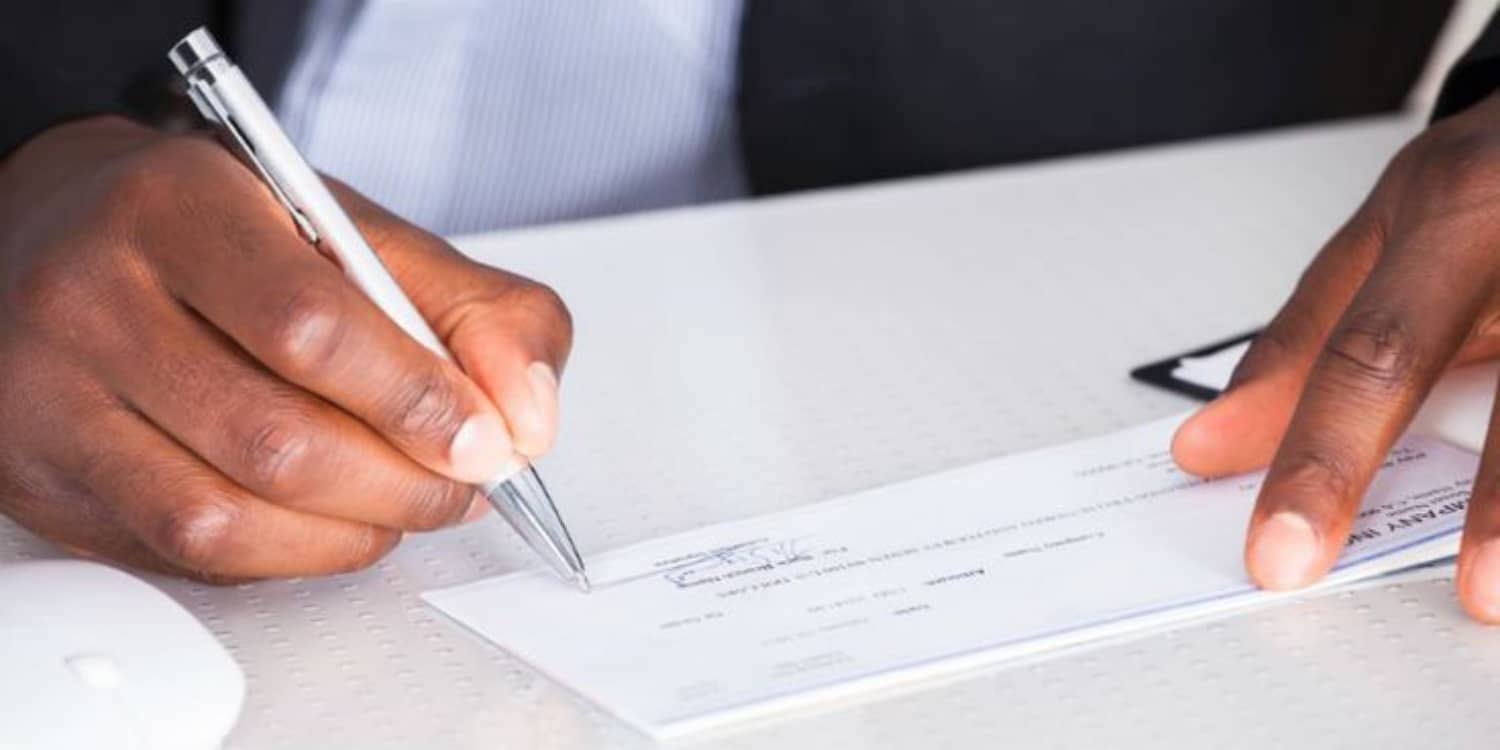
In today’s fast-moving financial world, check printing remains an essential part of business and personal finance management. Even with digital payments growing rapidly, many organizations still rely on printed checks for payroll, vendor payments, refunds, and formal transactions. Understanding how this process works and how to optimize it can save time, reduce costs, and improve financial accuracy.
What is Check Printing?
Check printing is the process of creating physical checks that are used to make payments from a bank account. These checks include important details such as the payer’s name, bank information, account number, routing number, date, payee name, amount, and signature line. Businesses often use specialized software or banking systems to generate checks quickly and securely.
The process can be done in-house using accounting software or outsourced to professional services. Many companies prefer in-house solutions because they offer greater control, faster processing, and reduced dependency on third parties.
Why Businesses Still Rely on Printed Checks
Despite the rise of digital wallets and online transfers, checks are still widely used for several reasons:
- Security and traceability: Physical checks create a paper trail that is easy to track and verify.
- Vendor preference: Some suppliers and contractors still prefer traditional payment methods.
- Large transactions: Checks are often used for high-value payments where additional verification is required.
- Accounting integration: Many financial systems still integrate seamlessly with traditional payment methods.
This continued reliance ensures that check printing remains a relevant financial practice across industries such as healthcare, construction, education, and small business operations.
Benefits of Modern Check Printing Solutions
Modern tools have transformed how businesses handle financial documents. Instead of manually writing checks, companies now use automated systems that streamline the entire workflow.
One major benefit is time efficiency. Businesses can generate multiple checks in minutes, reducing administrative workload. Another advantage is accuracy—automated systems reduce human errors such as incorrect amounts or missing details.
Additionally, security has significantly improved. Advanced software includes encryption, fraud detection, and compliance features that protect sensitive banking information. This makes digital systems much safer compared to traditional manual methods.
How to Improve Efficiency in Check Management
To get the most out of your financial process, it’s important to follow best practices. Start by using reliable accounting or payroll software that supports bulk payments. This ensures consistency and reduces repetitive tasks.
Next, always use secure printers and blank check stock to avoid fraud risks. Many businesses also implement approval workflows so that every payment is verified before printing.
Regular audits are also important. Reviewing transactions helps detect errors early and maintain financial transparency.
By applying these practices, companies can make check printing faster, safer, and more reliable.
Choosing the Right System
When selecting a solution, businesses should consider factors such as cost, ease of use, integration with accounting tools, and security features. Cloud-based systems are becoming increasingly popular because they allow users to manage payments from anywhere while maintaining real-time synchronization with financial records.
Customer support and scalability are also important. As a business grows, its payment needs increase, so the system should be able to handle higher volumes without performance issues.
Final Thoughts
Even in a digital-first world, checks continue to play an important role in financial transactions. With the right tools and practices, businesses can make the process smooth, secure, and highly efficient. Whether you are managing payroll, vendor payments, or business expenses, adopting modern solutions for check printing can significantly improve your financial operations while reducing manual effort and errors.







Comment