
Building a Safer Workplace: The Business Case for Proactive Injury Prevention

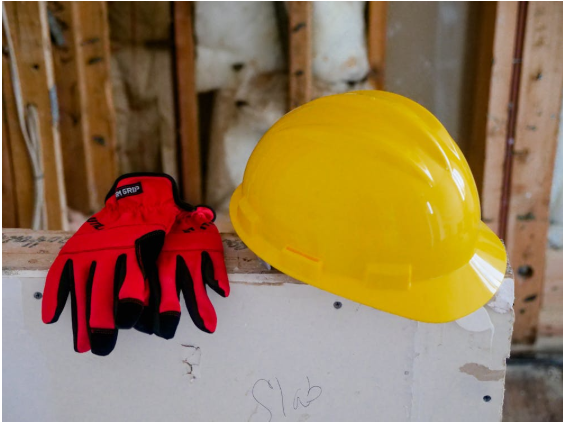
Want to know the smartest investment a business owner can make this year?
Workplace safety.
It’s not easy. But taking proactive action to prevent injuries is one of the few things that can protect both your people AND your bottom line at the same time.
Employers in the United States recorded 2.5 million nonfatal workplace injuries and illnesses in private industry in 2024. That’s millions of employees injured on the job. Millions of claims processed.
Here is the good news…
The vast majority of these injuries are preventable. In this article you will learn exactly why a proactive safety program pays for itself – and how to build one that actually works.
Here’s what you’ll discover:
- The True Cost Of Workplace Injuries
- Why Proactive Prevention Beats Reactive Response
- 5x Safety Strategies That Save Real Money
- Common Hazards Every Business Should Address
The True Cost Of Workplace Injuries
Most business owners dramatically underestimate what a single injury costs them.
They think about medical bills. Maybe a workers’ comp premium bump. And that’s it.
But the real cost goes so much deeper.
The National Safety Council reports that the total cost of work injuries in 2024 was $181.4 billion. That averages out to about $1,120 per U.S. worker. And if it becomes necessary to file a workers comp claim, the average medically consulted injury costs employers about $48,000.
Let that sink in.
The direct costs include:
- Medical treatment and hospitalisation
- Workers’ compensation payments
- Legal fees (especially if you need a trusted workers compensation attorney in Fresno or elsewhere)
- Higher insurance premiums
But it is the indirect costs where it really becomes unsavoury. There is lost productivity, the training of replacement staff, accident investigation, damaged equipment, lower morale and higher staff turnover.
In fact, according to Liberty Mutual’s most recent Workplace Safety Index, employers pay out more than $1 billion each week on direct workers’ compensation costs for disabling, non-fatal workplace injuries.
Pretty sobering, right?
Why Proactive Prevention Beats Reactive Response
Most companies have their safety approach backwards. They wait for a bad event to occur. Then they respond.
Here’s the issue: When you respond, someone is already injured. The claim has been filed. Costs are accumulating.
Proactive prevention flips the equation.
Instead of paying for something AFTER it goes wrong, you pay a small amount UP FRONT to prevent it from happening in the first place. The ROI on that investment is enormous.
On average every $1 invested in a quality safety program yields multiple $ in savings. Fewer claims. Lower premiums. Better productivity. Less turnover.
There’s also the human side. Safe workers come. Safe workers stay. Unsafe workers go. It really is that simple.
5x Safety Strategies That Save Real Money
Ok, now for the good stuff. Here are the proactive measures that work best for both reducing injuries AND are the least expensive to do.
Choose two or three to begin with. You don’t have to do all of them at once.
Conduct Regular Safety Audits
Your starting point is identifying hazards before they hurt someone.
A safety audit is pretty much what it sounds like: a walk-through of your workplace to identify hazards. Slippery floors. Blocked exits. Frayed wires. Improperly stored chemicals. Broken ladders. Unguarded equipment.
The mistake most business owners make is doing audits once a year.
Don’t do that.
Audits should be conducted quarterly (or monthly in high-risk industries). Hazards are always evolving in a busy workplace, so you need to be looking.
Even better: include your team. The people who are actually doing the work will see things you never would.
Invest In Real Safety Training
Underinvesting in safety training is one of the costliest errors a company can make.
Why? Because untrained workers get hurt more often. It’s that simple.
Your training needs to be:
- Specific to your industry
- Updated regularly
- Interactive (not just a boring slideshow)
- Mandatory for every new hire
Document everything too. If an incident does happen, training records will be critical.
Build A Safety-First Culture
This one’s less tangible… But it matters more than almost anything else.
A robust safety culture is one where every individual – the CEO to the newest employee – has a personal safety commitment. No one takes shortcuts. No one turns a blind eye to a hazard.
How do you build this culture?
Let’s start from the top. Leaders have to walk the walk. If the manager breaks safety rules, everyone will. Recognise workers who speak up about hazards. Make safety a part of performance reviews. Celebrate months without injuries.
Before you know it, safety becomes the default.
Fix Ergonomics And Slip Hazards
Falls, slips and trips is one of the most common injury types. There are almost always chances to slip, trip or strain something at every workplace.
Latest statistics indicate that falls are the second most common cause of workplace fatalities, representing nearly 16% of all on the job deaths.
Address these hazards by:
- Installing non-slip flooring in high-traffic areas
- Keeping walkways clear of cables and clutter
- Fitting proper fall protection at heights
- Providing ergonomic chairs, desks and lifting aids
Small fixes. Massive impact.
Use Data To Track Near-Misses
A near-miss is an incident that ALMOST caused an injury but didn’t.
Most businesses ignore these. Big mistake.
Near-misses are the leading indicators that tell you exactly where your next actual injury will occur. By recording and reporting them and correcting the root cause, you prevent accidents before they ever occur.
Establish a simple reporting mechanism. Incentivize (do not penalize) staff for reporting near-misses. Examine them monthly and respond to the trends you discover.
Common Hazards Every Business Should Address
Every workplace is different… But some hazards show up again and again across industries.
Here are the big ones:
- Overexertion and lifting injuries: train proper lifting, use mechanical aids
- Slips, trips and falls: keep floors dry and walkways clear
- Struck-by injuries: secure loose objects and require hard hats where needed
- Repetitive motion injuries: rotate tasks, add ergonomic tools
- Chemical exposure: provide proper PPE and clear labels
If your business handles any of these daily, prioritise them first.
Final Thoughts
Workplace safety is one of the smartest investments a business owner can make.
It safeguards your employees. It safeguards your profits. And it establishes the kind of company you want to be.
To quickly recap:
- Workplace injuries cost U.S. businesses billions every year
- Proactive prevention delivers multiple dollars back for every dollar spent
- Regular audits, training, and a strong safety culture make the biggest difference
- Tracking near-misses prevents real incidents before they happen
Begin with the basics. Choose one or two tactics from this post. Put them in place this quarter. Gradually add more on top,
Your workers, your profits, and your future self will thank you.
Read More From Techbullion







Comment