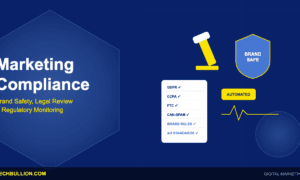
Brand safety and digital risk management technology has become an essential component of modern marketing infrastructure as organizations navigate an increasingly complex digital landscape where advertising placement, content association, and platform dynamics create material reputation risks that can undermine years of brand building investment in moments. The proliferation of user-generated content, the speed of social media amplification, and the opacity of programmatic advertising supply chains have created an environment where brands face constant exposure to content adjacency risks, misinformation association, and digital reputation threats that require sophisticated technological defenses to identify, prevent, and remediate.
The Expanding Scope of Digital Brand Risk
Digital brand risk encompasses a spectrum of threats far broader than the traditional concern about advertisements appearing alongside objectionable content. Modern brand safety challenges include adjacency to misinformation and disinformation that could imply brand endorsement of false narratives, association with politically divisive content that alienates customer segments regardless of which side the content represents, placement within fraudulent or low-quality media environments that waste advertising investment while generating no genuine brand exposure, and increasingly sophisticated deepfake and synthetic media attacks that misrepresent brand positions or fabricate brand communications. Research from the World Federation of Advertisers indicates that 75% of brands have experienced at least one significant brand safety incident in the past year, with an average financial impact of $3.2 million per incident including direct costs, reputation remediation expenses, and estimated revenue impact from brand trust erosion. The interconnected nature of digital media means that a single brand safety failure can be amplified across platforms within hours, transforming a localized placement issue into a global brand crisis.
Pre-Bid Content Classification and Avoidance
Pre-bid brand safety technology evaluates content environments before advertising placements are purchased, preventing ads from appearing in contexts that violate brand safety policies. AI-powered content classification engines analyze web pages, videos, and social media environments using natural language processing, computer vision, and contextual understanding to categorize content across multiple risk dimensions including violence, hate speech, adult content, controversial politics, illegal activities, and misinformation. Semantic analysis capabilities go beyond keyword blocking to understand the actual meaning and context of content, reducing the over-blocking problem where legitimate news coverage about sensitive topics is inappropriately excluded from advertising consideration. Custom brand safety profiles enable each advertiser to define risk tolerance levels across content categories, recognizing that brand safety requirements vary significantly between industries, audiences, and brand positioning strategies. Organizations implementing pre-bid brand safety report 85% reductions in unsafe ad placements while maintaining campaign reach within 5-10% of unrestricted targeting through intelligent classification that blocks genuinely risky content without over-restricting legitimate advertising opportunities.
Real-Time Content Monitoring and Dynamic Response
Real-time monitoring platforms continuously scan advertising environments during campaign execution to detect emerging brand safety risks that may not have been present at the time of initial content evaluation. These systems track content changes on publisher pages where ads are currently running, identifying situations where initially safe content is modified or supplemented with risky material after ads were placed. Social media monitoring capabilities detect emerging controversies, viral negative content, and platform-level events that may create brand safety risks requiring immediate campaign modifications. Automated response protocols enable marketing teams to define escalation procedures that trigger increasingly aggressive protective actions based on threat severity, from pausing placements on specific pages to suspending entire campaigns or platform partnerships. Alert systems notify brand safety teams immediately when violations are detected, providing context about the nature, severity, and potential brand impact of each incident along with recommended response actions. Organizations with real-time monitoring report 60% faster response to brand safety incidents and 40% reductions in incident severity through early detection and immediate protective action.
Supply Chain Transparency and Verification
Advertising supply chain transparency technology addresses the opacity of programmatic media buying that creates brand safety risks through hidden intermediaries, domain spoofing, and unauthorized inventory reselling. Ads.txt and sellers.json verification systems automatically cross-reference programmatic inventory sources against authorized seller databases, preventing advertisements from appearing on spoofed domains or unauthorized reseller inventory. Supply path optimization platforms map the complete chain of intermediaries between advertiser and final ad placement, identifying unnecessary resellers that increase costs without adding value and evaluating the brand safety track record of each supply chain participant. Blockchain-based verification systems create immutable records of advertising transactions that enable retrospective auditing of where ads actually appeared, resolving disputes between advertisers and publishers about placement quality. Log-level data analysis examines individual impression records to verify that advertisements were served in the environments promised by supply chain partners, detecting discrepancies between reported and actual placements. Organizations implementing comprehensive supply chain verification report 45% reductions in exposure to fraudulent or misrepresented inventory and 30% improvements in overall media quality metrics.
Misinformation and Disinformation Defense
Misinformation defense technology protects brands from association with false or misleading content that could damage brand credibility and consumer trust. These platforms analyze content accuracy using fact-checking databases, source credibility scoring, and linguistic pattern analysis that identifies common characteristics of misinformation including sensationalized headlines, unverified claims, and manipulated media. Content provenance verification evaluates the origin and distribution patterns of information to identify coordinated inauthentic behavior that may indicate organized disinformation campaigns. Deepfake detection technology identifies synthetic media including AI-generated images, manipulated videos, and fabricated audio that may be used to create false brand associations or fake brand communications. Brand mention monitoring specifically tracks how brand names, logos, and executive identities appear in potentially misleading contexts, alerting teams when brands are referenced in misinformation campaigns whether deliberately or incidentally. Organizations implementing misinformation defense report 55% reductions in brand association with false content and significantly improved ability to detect and respond to coordinated attacks on brand reputation.
Social Media Brand Safety Management
Social media brand safety requires specialized approaches due to the real-time, user-generated nature of social platform content and the limited control advertisers have over content adjacency in feed-based environments. Social media brand safety platforms provide pre-campaign content environment analysis, identifying trending topics, conversations, and content themes on each platform that may create brand safety risks for specific advertisers. Comment and reply monitoring protects brands from association with toxic user responses to their own content and advertising, with automated content moderation capabilities that can hide or escalate concerning comments before they damage brand perception. Influencer safety vetting evaluates creator content history, audience quality, and brand alignment before partnership commitments, identifying potential reputational risks from past content that could resurface after partnership announcements. Crisis detection algorithms monitor social media conversations for emerging threats to brand reputation, distinguishing between normal negative sentiment fluctuations and genuine crisis indicators that require immediate strategic response. Organizations with comprehensive social media brand safety report 40% fewer social media brand safety incidents and 50% faster crisis response times through automated early warning and response capabilities.
Suitability Beyond Safety: Context Quality Optimization
Brand suitability represents an evolution beyond basic safety that evaluates not just whether content is safe for brand association but whether it is optimally suited to enhance brand perception and campaign effectiveness. Suitability frameworks enable brands to define positive targeting criteria that identify content environments likely to enhance brand associations, complementing negative exclusion lists with positive inclusion strategies. Emotional context analysis evaluates the emotional tone of content environments, enabling brands to place advertisements within contexts that create emotionally complementary associations rather than merely avoiding negative ones. Attention quality measurement assesses whether content environments are likely to generate meaningful brand attention rather than passive impressions, incorporating factors like content engagement levels, scroll velocity, and competitive ad density. Custom suitability scoring enables each brand to weight different contextual factors based on their specific brand positioning, audience preferences, and campaign objectives, creating tailored definitions of ideal advertising contexts. Organizations implementing suitability optimization beyond basic safety report 25% improvements in campaign effectiveness metrics including brand lift, message recall, and purchase intent through more thoughtful content environment selection.
Reputation Monitoring and Crisis Prevention
Digital reputation monitoring technology provides continuous intelligence about how brands are perceived across the complete digital landscape including news media, social platforms, review sites, forums, and emerging media channels. Sentiment tracking measures the volume, valence, and intensity of brand-related conversations across platforms, establishing baselines that enable rapid detection of abnormal negative sentiment that may indicate emerging reputation threats. Issue tracking identifies specific topics or events driving reputation changes, enabling targeted response strategies that address root causes rather than symptoms. Competitive reputation benchmarking evaluates brand perception relative to competitors, identifying relative strengths and vulnerabilities that inform both defensive and offensive brand strategy. Predictive reputation modeling uses historical patterns and current signals to forecast potential reputation scenarios, enabling preventive action before predicted crises materialize. Dark web monitoring detects early indicators of potential brand attacks including planned boycotts, coordinated negative review campaigns, and intellectual property threats that may emerge on public platforms after initial dark web coordination. Organizations with comprehensive reputation monitoring report 45% earlier detection of reputation threats and 35% reductions in crisis severity through preventive intervention enabled by early warning intelligence.
The Future of Brand Safety Technology
Brand safety technology is evolving toward more sophisticated, proactive, and integrated approaches to protecting brand reputation in digital environments. AI-powered creative safety analysis will evaluate advertising creative itself for potential brand safety risks, identifying unintended interpretations, cultural sensitivities, and audience reaction predictions before campaigns launch. Cross-platform brand safety orchestration will provide unified policy management and enforcement across all digital advertising channels, social media platforms, and owned media properties through centralized platforms that ensure consistent brand protection regardless of where brand content appears. Predictive brand safety models will anticipate emerging content risks before they materialize, enabling preemptive blocking decisions that prevent brand safety incidents rather than merely detecting and responding to them after occurrence. As digital environments become increasingly complex with the growth of immersive media, AI-generated content, and decentralized platforms, brand safety technology will become a foundational marketing capability that protects the brand equity investments that represent organizations’ most valuable intangible assets.
Data from Statista’s digital market outlook shows that global digital spending continues to grow at double-digit rates, with mobile channels accounting for an increasingly dominant share of total transactions.
PwC’s analysis of financial services trends through 2025 highlights the convergence of technology and media as a defining dynamic, with data-driven personalisation becoming the primary competitive differentiator.
For more coverage on related topics, explore our dedicated section on technology insights.
Readers interested in this space may also find value in our reporting on AI-powered marketing.
Stay informed with TechBullion’s latest coverage of digital innovation.