Alan David Rudolph: How to Maximize SaaS ROI Through Process Alignment

The gap between what gets sold and what gets delivered is where software as a service (SaaS) return on investment (ROI) disappears. When a sale closes, the customer is at their most excited. Any misstep during onboarding is extraordinarily difficult to recover from, and the teams that consistently underperform are the ones treating the handoff from sale to post-sale as a logistics task rather than a critical revenue inflection point.
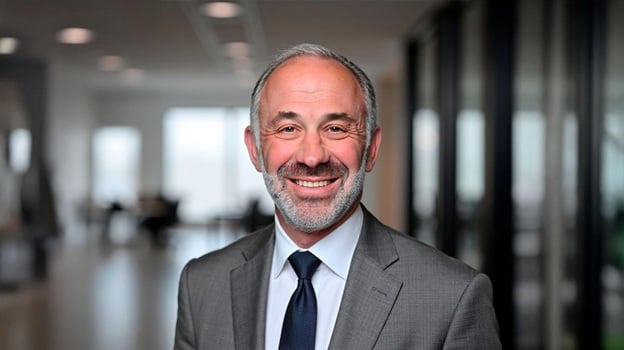
Alan David Rudolph, a SaaS operations and customer success executive who specializes in fixing underperforming post-sale organizations, has spent his career diagnosing exactly this problem across companies at every stage of growth. “The team isn’t thinking adequately about how to drive the full customer journey,” Rudolph reflects. “From early marketing through the sales process, the close, and ongoing delivery, that gap is what creates underperformance.”
Aligned Processes Unlock Revenue That Siloed Teams Leave Behind
A world-class post-sale operation starts with a clear handoff from sales. That handoff is not a formality; it is the mechanism that converts a signed contract into genuine customer engagement, full participation in deployment, and early wins that create expansion opportunities. When it breaks down, customer sentiment shifts before anyone with authority to act knows it has happened.
At Rudolph’s previous company, Cendyn, support operations were struggling with slow response times and limited visibility into customer sentiment. This was costing the business significant revenue. Implementing an AI-based solution from Zendesk helped improve response and resolution times by 25% over nine months, while providing real-time tracking of customer sentiment by flagging shifts from green to yellow to red before they became churn risks. A healthier customer experience translates directly into more expansion revenue. The connection between operational discipline and commercial outcomes was not theoretical. It was measurable.
Customer Success as a Company-Wide Operating System
Private equity-backed SaaS companies capturing margin and growth share one distinguishing characteristic: they treat customer success not as a department but as a company-wide operating system. The customer success team drives the overall relationship and the renewal process. Business outcomes, not ticket counts, are the organizing principle. When outcomes are achieved, margin follows. When the process breaks down, challenges surface.
“It’s really important to sit down with a customer on a periodic basis and understand where their business is going in the future,” Rudolph states. “Understand their strategic intent. The more we can do that, the better opportunity we have to map our solutions to that journey, and from there, drive continued upsell and cross-sell.” Business reviews built around the customer’s strategic direction rather than operational status reports are what separate relationships that expand from those that plateau and eventually churn.
Process First, Headcount Second
Most companies approach capacity constraints by asking how many people they need. Rudolph inverts the question entirely. The right question is whether the most effective processes are in place to begin with, and once that is answered, the appropriate headcount becomes clear. “Too many companies optimize to the number of staff, not to the process,” Rudolph observes. “The process has to be designed first. Then you map in what the headcount should look like.” The instinct to cut overlap immediately typically produces the wrong result. The correct synergy strategy is to map the actual process first and build headcount decisions from that foundation rather than the other way around.
The same principle governs AI adoption. Deploying AI on top of misaligned or siloed processes produces wrong answers at a greater speed. AI should execute tactical work – ticket triaging, health scoring, renewal flagging – all within a well-designed process that frees people to focus on higher-level value: understanding customer strategic intent and driving business outcomes that no automation can replace. Fix the process first. Then leverage technology to make it faster.
Follow Alan David Rudolph on LinkedIn for more insights on SaaS operations, customer success strategy, and building the process alignment that drives sustainable revenue growth.