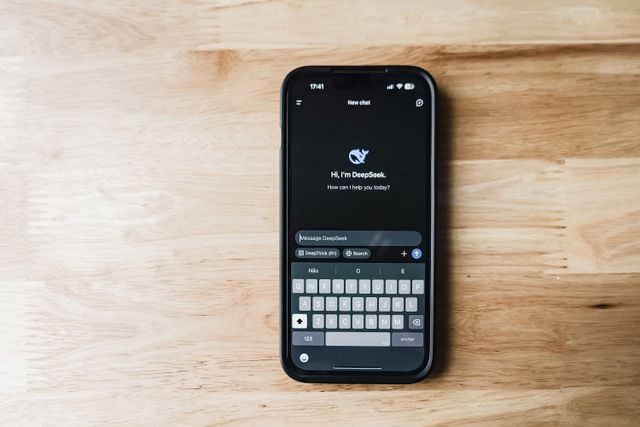
You’re in the ER with a neck brace, your car is on a flatbed somewhere, and the adjuster has already called twice. Before you talk to anyone in a suit, you open a chatbot on your phone and start typing. That instinct makes sense, and in 2026 it’s close to universal.
The interesting question isn’t whether accident victims will use AI tools. They already do. The better question is where a language model genuinely helps you, and where it walks you into decisions you can’t undo.
The honest answer isn’t AI or attorney. It’s knowing which one is doing which job.
The First Search Feels Reassuring, But It Isn’t Advice
A generative chatbot is good at explaining what a personal injury claim is, in clean prose, at whatever reading level you ask for. It will tell you what a demand letter looks like, what “comparative fault” means, and roughly what documents live in a claim file. For orientation, that’s useful. You stop feeling lost.
An attorney’s first conversation does something else entirely. They aren’t defining terms for you. They’re listening for the specific facts that move the value of your case: where the crash happened, what your policy says, whether the other driver was working at the time, whether your injuries have a name yet. Same topic, different output.
Use the chatbot to learn the vocabulary. Use the lawyer to learn what your situation is worth and what to do next.
State Rules Break the Illusion Fast
Generative models write in averages. They pull from a soup of blog posts, forum answers, and marketing pages from all fifty states, and they smooth the differences out. That’s fine when you’re reading about photosynthesis. It’s dangerous when you’re reading about deadlines, insurance thresholds, and fault rules that shift at every state line.
Pennsylvania is a clean example. It’s a choice no-fault state with its own quirks around limited tort, first-party medical benefits, and how much of your own PIP coverage runs before anyone else pays a dime. A national chatbot will happily summarize “personal injury law” without ever surfacing the specific provisions that decide whether you can sue at all.
If your crash happened on the turnpike outside Lewisburg, a local car accident lawyer will spot those provisions in the first ten minutes of your intake. A chatbot won’t know to look.
This is where the confidence of AI output becomes the problem. It sounds right. It reads right. You have no easy way to see what it left out.
Evidence Doesn’t Live Inside an App
Ask a chatbot what evidence matters in a car crash and you’ll get a competent bullet list. Photos. Police report. Medical records. Witness statements.
All correct, all generic.
The work that decides cases sits one layer deeper, and it’s physical, procedural, and time-sensitive. Someone has to send a preservation letter before the trucking company overwrites its telematics. Someone has to subpoena the intersection camera footage before it rolls off a 30-day loop. Someone has to get your treating physician on the phone before the insurer’s records request lands first.
- Preservation letters. These go out to trucking companies, rideshare platforms, and municipal agencies to freeze evidence that would otherwise be routinely deleted. A chatbot can describe one. It can’t send one on your letterhead.
- Scene reconstruction. Skid marks, sight lines, and signal timing degrade or disappear. Getting an investigator out in the first days often matters more than anything filed months later.
- Medical framing. How a treating doctor documents a soft-tissue injury on day three shapes what an adjuster is willing to pay on month nine. That framing is a conversation, not a prompt.
Where the Chatbot Actually Earns Its Keep
None of this means the technology is useless in your case. It isn’t. There are real, unglamorous jobs an AI tool does better than a person with a billable rate.
- Drafting notes. Dictating your memory of the crash into a chatbot and asking it to organize the timeline gives your attorney a cleaner starting point than a stack of texts to yourself.
- Reading dense documents. Insurance declarations pages, medical bills, and coverage endorsements are written to be skimmed past. An AI summary can flag what to ask about, even if you shouldn’t rely on it to be exhaustive.
- Practicing conversations. You can rehearse an adjuster call with a chatbot playing the adjuster. It’s a low-stakes way to notice which questions rattle you.
- Tracking follow-ups. Bills, appointments, mileage, missed work. AI is fine as a filing cabinet. It’s a poor substitute for judgment.
Notice the pattern. These are all tasks where the cost of a wrong answer is low and a human still checks the result. That’s the safe lane.
How to Read Any Legal Content You Find Online
The bigger shift isn’t that people are asking chatbots questions. It’s that a lot of the legal writing they’re reading online was itself generated by one. Search results, forum answers, and even law firm blogs increasingly come out of a model, then get lightly edited and posted.
Google’s own helpful content guidance lays out a self-assessment for creators that maps neatly onto what a reader should ask, too: does the page show first-hand experience, a real author with credentials, and depth that goes past the obvious? If a piece of legal writing could have been produced by anyone in any state, treat it as background reading, not guidance for your case.
The same principle shows up in audience-focused content work outside of law: content that isn’t written for a specific reader in a specific situation tends to help no one in particular. A crash victim in central Pennsylvania isn’t a “general audience.” You have a policy, a police report, a set of injuries, and a deadline. Advice that doesn’t touch any of those specifics is a starting point at best.
When Each One Wins
A fair way to think about it: the chatbot is a research assistant that never sleeps and never bills. The attorney is the person who signs their name to a strategy and answers for it. You want both, doing different jobs.
Lean on AI when the cost of being wrong is a wasted afternoon. Lean on counsel when the cost of being wrong is your claim. That line is easier to hold than it looks, as long as you draw it before the adjuster’s third call, not after.