
Understanding Car Engine Chips and Dashboard ICs: A Simple Guide

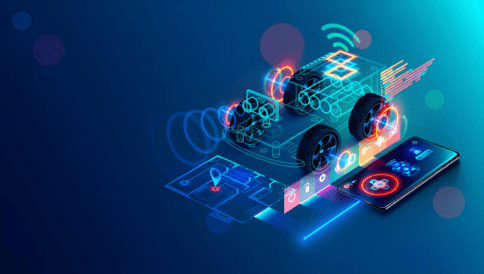
A car engine chip and a dashboard IC might sound like complicated car parts, but they are actually crucial for making sure your car runs well. Think of a car engine chip as the brain of the engine. It helps the engine know when to use fuel and how to make the car go. On the other hand, a dashboard IC is like a tiny computer that shows you everything important on the dashboard. This includes your car’s speed, how much fuel you have left, and even if there’s something wrong with the engine. Both parts work together to help you drive smoothly and safely. The engine chip controls the car’s performance, and the dashboard IC tells you what’s happening in real-time. Without these two parts, it would be hard to know if your car is working properly. This guide will help you understand how both the car engine chip and dashboard IC work together to make your driving experience better.
What is a Car Engine Chip?
A car engine chip is an essential part of a car’s engine that helps control its performance. It’s a small but powerful computer that manages many important functions of the engine. For example, it decides how much fuel and air the engine needs for optimal performance. It also controls the timing of the engine’s components, making sure everything happens at the right moment. The chip is crucial for ensuring that the engine runs efficiently. Without it, the engine would not work well and could waste fuel. Moreover, the engine chip helps reduce harmful emissions, which is important for the environment. Thanks to this chip, your car can work at its best, saving you money on fuel and reducing its impact on the planet. It’s also responsible for alerting the car’s system when something is wrong, like if the engine is overheating or if there’s a problem with fuel usage. This makes it easier for car owners to get repairs before bigger problems happen. The car engine chip is not just a small part; it is key to making sure your car runs smoothly and efficiently.
How Does a Car Engine Chip Work?
Car engine chips are very smart and control many different things inside the engine. Here are some of the most important functions they control:
- Fuel and Air Mixture:The engine chip controls the mixture of fuel and air. It makes sure the right amount of both are mixed to keep the engine running smoothly.
- Engine Timing:The chip also controls the timing of the engine parts. It tells the engine when to fire, which helps the car run at its best.
- Emissions Control:It manages how much pollution the engine releases. By controlling fuel and air usage, the chip helps the car release fewer harmful gases into the air.
- Fuel Efficiency:The chip adjusts how the engine uses fuel. By making these adjustments, it ensures that your car uses the least amount of fuel while still performing well.
- Diagnostics:If something is wrong with the engine, the chip can send a message to the car’s computer system. This allows mechanics or car owners to quickly fix the problem before it gets worse.
Thanks to the car engine chip, the car’s engine can run more efficiently, produce fewer emissions, and use less fuel, which saves money for the driver and helps the environment.
What is a Dashboard IC?
The dashboard IC, also known as the Instrument Cluster IC, is a small but very important chip in your car. It controls the information you see on your car’s dashboard. This includes things like your speed, fuel level, engine temperature, and warning lights. It ensures that all of this information is accurate and updated in real-time. Without the dashboard IC, you wouldn’t be able to see how fast you’re going or how much fuel is left in your car. The dashboard IC collects data from different sensors in your car and then shows it in a way that you can easily read. It helps drivers understand how their car is performing and if any problems need attention. For example, if there’s a problem with the engine, the dashboard IC will light up a warning symbol to let you know. This makes the dashboard IC an essential part of the car, ensuring safety and convenience while driving. It’s like a personal assistant that keeps you informed of everything happening in your car.
The Importance of Dashboard ICs
Dashboard ICs play a vital role in your driving experience by showing you important details about your car’s performance. Without it, you wouldn’t know how fast you’re going or how much fuel you have left, which could make driving unsafe. Some of the most important things the dashboard IC helps with include:
- Speed Measurement:It shows you how fast your car is going, so you can stay within the speed limit.
- Fuel Level Display:It lets you know how much fuel is left, helping you avoid running out of gas.
- Engine Temperature Monitoring:It tells you if your engine is too hot, which can help prevent overheating.
- Warning Lights:It alerts you if there’s a problem with your car, like low oil or brake issues.
In addition to these features, the dashboard IC makes driving much more comfortable by providing accurate, easy-to-read information. This chip helps drivers make better decisions and stay safe while on the road. Without a good dashboard IC, driving could be much more stressful and risky.
How Do Car Engine Chips and Dashboard ICs Work Together?
Car engine chips and dashboard ICs work hand in hand to give you the best driving experience. The engine chip controls how the engine runs, while the dashboard IC shows you important information about the car’s performance. Here’s how they work together:
- The car engine chip controls the engine’s fuel and air mixture.
- It adjusts the timing of the engine’s parts to ensure everything runs smoothly.
- The dashboard IC receives this information and shows it to you on the dashboard, so you always know how the car is performing.
- It displays things like speed, fuel level, and engine temperature, helping you make safe driving decisions.
- If the engine chip detects a problem, the dashboard IC will show a warning light, alerting you to take action.
Together, the engine chip and dashboard IC keep the car running smoothly and help you stay informed. This makes driving easier and safer by giving you all the information you need to take care of your vehicle.
Why Should You Care About Car Engine Chips and Dashboard ICs?
Both the car engine chip and the dashboard IC are important for keeping your car in good condition. Without these parts, it would be hard to know if your car is running well. The engine chip helps your car run efficiently, while the dashboard IC ensures you always know what’s happening inside the car. If either part stops working properly, you might not know about serious problems until it’s too late. For example, if the engine chip fails, your car could waste fuel, run poorly, or even break down. If the dashboard IC fails, you might not notice if the engine is overheating or if you’re running out of fuel. That’s why it’s important to make sure these parts are always in good condition. Regular maintenance and checks can help avoid bigger problems and keep your car running smoothly for years to come.
Final Words
In conclusion, the car engine chip and dashboard IC are small but essential parts of your car that work together to make sure everything runs properly. The engine chip controls how the engine works, helping it use fuel efficiently and reduce harmful emissions. The dashboard IC shows you important information, like your speed and fuel level, so you can drive safely. Together, they ensure that you can keep your car in top condition, stay informed, and enjoy a smoother driving experience. Understanding how they work helps you take better care of your car and avoid expensive repairs down the road. Always make sure these parts are working well, and your car will perform better, last longer, and keep you safe on the road.





Comment