What Battery Type Is Best for a Solar Generator?

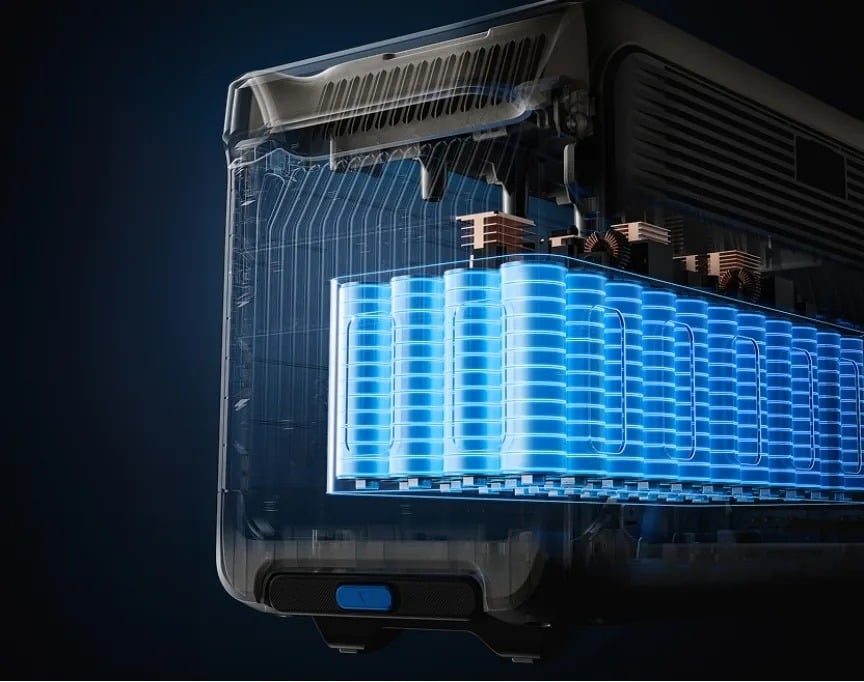
LiFePO4 is the best battery type for most solar generators because it offers a longer lifespan, better thermal stability, and dependable performance for regular use. Standard lithium-ion batteries still have a place, especially in smaller units built for lower weight and easier transport, but they usually trade some longevity for compact size. When choosing a solar generator, the battery affects far more than runtime. It influences charging cycles, safety, portability, maintenance expectations, and long-term value. Understanding the strengths of each battery chemistry helps you match a power station to camping, emergency backup, jobsite use, or frequent daily energy needs with confidence.
Common Battery Types Used in Solar Generators
LiFePO4 Batteries for Long Lifespan and Reliable Performance
LiFePO4, also called lithium iron phosphate, has become the preferred battery chemistry for many solar generators designed for durability and repeated use. Its biggest advantage is cycle life. These batteries commonly handle far more charge and discharge cycles than standard lithium-ion options before noticeable capacity loss appears. LiFePO4 also performs well under demanding conditions because it is chemically stable and less prone to overheating. That makes it a strong fit for home backup, RV setups, and off-grid use where reliability matters. A good example is the Anker SOLIX F3000: 4,000-Cycle LFP Batteries, which highlights why users who want long-term value often prioritize this battery type over lighter alternatives.
Lithium-Ion Batteries for Compact and Lightweight Designs
Lithium-ion batteries remain common in solar generators that prioritize portability and compact construction. Their main advantage is higher energy density, which allows manufacturers to store substantial power in a smaller and lighter battery pack. That makes lithium-ion systems attractive for short trips, mobile work, tailgating, and situations where carrying weight matters more than maximum cycle life. These batteries also support sleek product designs that are easier to move and store. The tradeoff is that standard lithium-ion chemistry usually offers fewer charging cycles than LiFePO4 and can require more careful thermal management. For buyers focused on convenience, lighter weight, and occasional use, lithium-ion still serves as a practical and efficient option.
Compare Battery Performance Factors Before Choosing a Solar Generator
Battery Lifespan, Safety, and Charging Cycle Considerations
Battery lifespan should rank near the top of your checklist because it shapes long-term cost and reliability. LiFePO4 batteries usually lead here, often delivering thousands of charging cycles while maintaining usable capacity over years of frequent operation. They also offer strong safety benefits thanks to better thermal and chemical stability, which reduces the risk of overheating under normal use. Standard lithium-ion batteries can still perform well, but they generally age faster with repeated cycling and may demand tighter battery management. If you expect to use a solar generator often for backup power, off-grid tasks, or everyday energy support, a higher-cycle and more stable battery chemistry is the smarter long-term choice.
Weight, Energy Density, and Portability Requirements
Weight and portability matter most when you plan to move a solar generator often. Lithium-ion batteries usually win in this category because they pack more energy into a lighter and smaller form. That advantage makes them easier to carry from a vehicle to a campsite, jobsite, or outdoor event. LiFePO4 batteries are typically heavier for the same capacity, so they can feel less convenient in highly mobile setups. Still, added weight may be acceptable if you want better lifespan and durability. Buyers should think about how the unit will actually be used. If the generator stays mostly in one place, weight matters less. If you carry it regularly, lighter battery chemistry becomes a clear advantage.
Choosing the Right Solar Generator Battery for Different Uses
Best Battery Features for Camping and Outdoor Adventures
For camping and outdoor travel, the best battery features are low weight, easy transport, stable output, and enough capacity to cover lights, phones, cameras, portable fridges, and small appliances. If you move your solar generator frequently, a compact lithium-ion model can make setup and carrying easier. If you camp often and want a unit that handles years of repeated charging, LiFePO4 offers better long-term durability. Weather exposure, uneven terrain, and limited charging opportunities also make reliability important. Look for a battery system that recharges efficiently from solar panels and maintains consistent performance over extended trips. For most frequent campers, LiFePO4 provides the best balance of toughness, safety, and usable lifespan.
Best Battery Considerations for Home Backup and Frequent Use
For home backup and frequent use, LiFePO4 is the best battery choice because it is built for repeated cycling and dependable standby performance. A solar generator in this role may charge and discharge regularly during outages, peak-rate shifting, or daily energy support, so battery longevity matters more than shaving off a few pounds. Strong thermal stability also adds peace of mind when the unit stays indoors or in a garage for extended periods. Capacity retention over time becomes especially important if you expect emergency readiness year after year. Buyers who want the best solar generator for serious backup duty should prioritize high cycle life, safety, and durability first, with portability treated as a secondary concern.
Conclusion
LiFePO4 is the best battery type for a solar generator when you want the strongest mix of lifespan, safety, and dependable long-term performance. It stands out for home backup, frequent use, and anyone who values durability over minimum weight. Lithium-ion remains a good option for lighter, more compact solar generators built for portability and occasional trips. The right decision comes down to how often you will use the unit and how often you need to move it. For most buyers seeking better value over time, LiFePO4 leads. For users focused mainly on mobility, lithium-ion still offers a practical and efficient alternative.