How Precision Load Cells Support Robotics and Smart Manufacturing

In the fast paced world of modern industry, engineering demands a level of precision that was once thought impossible. From aerospace exploration to advanced robotics, the need for accurate data collection drives innovation forward every single day. Engineers and designers constantly look for ways to make machines smarter, safer, and more efficient. At the heart of this technological revolution lies the ability to measure physical forces with absolute accuracy. When building complex automated systems, understanding how components interact under stress is critical for long term success.
Modern automation relies heavily on components that can translate physical phenomena into readable digital signals. Every time a robotic arm lifts a delicate object or an industrial press applies pressure, force sensors work silently behind the scenes. These specialized tools ensure that equipment operates within safe parameters, preventing costly failures and minimizing downtime. As industries expand into more challenging environments, the demand for durable and reliable measuring devices continues to grow. Companies looking for specialized hardware often partner with a trusted strain gauge load cell manufacturer to secure components that withstand rigorous operational demands.
Advancing Industrial Automation Through Smart Technology
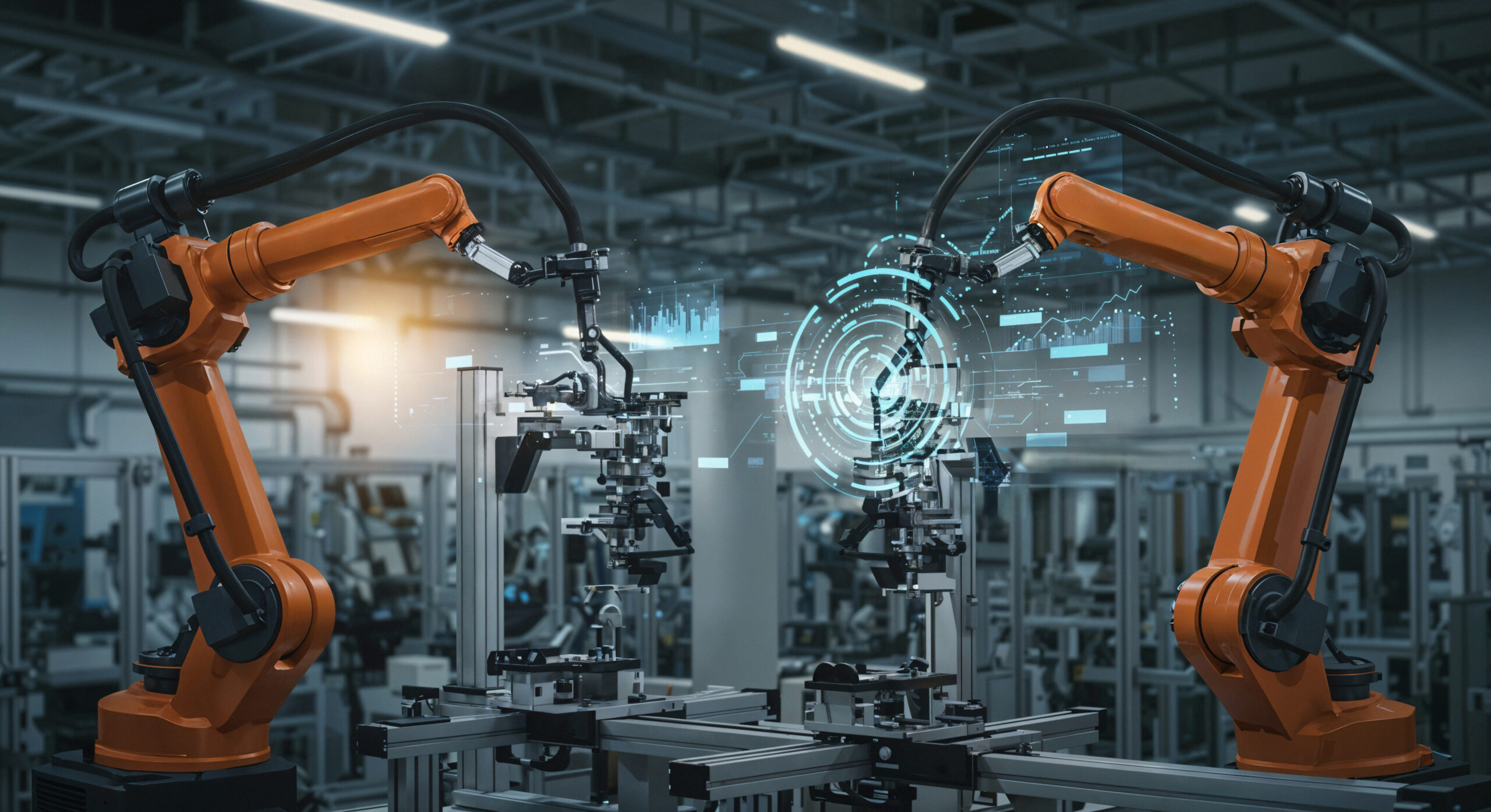
Industrial automation has transformed manufacturing floors across the globe. Traditional assembly lines have evolved into intelligent ecosystems where machines communicate and adapt to changing conditions in real time. This shift requires sophisticated sensing equipment that can deliver continuous feedback without degradation. Smart brackets, inline force sensors, and tactile feedback units now serve as the nervous system of modern machinery. By integrating these components, engineers can monitor structural integrity and operational loads continuously, leading to smarter maintenance schedules and enhanced workplace safety.
The integration of smart technology into mechanical structures allows machines to gather actionable insights during standard operation. When components experience stress, microscopic changes in their physical dimensions occur. Capturing these minute changes requires highly sensitive engineering solutions. A reputable strain gauge load cell manufacturer provides the precision instruments necessary to track these fluctuations accurately. This capability empowers automated systems to detect anomalies early, thereby protecting both the machinery and the materials being processed.
Overcoming Extreme Environments with Innovative Sensing Solutions
Operating machinery in harsh conditions presents unique challenges for equipment designers. Standard electronic sensors often fail when exposed to extreme temperatures, high levels of radiation, intense electromagnetic interference, or moisture. Industries such as semiconductor manufacturing, nuclear energy, and aerospace exploration cannot afford equipment failures caused by environmental interference. To combat these hurdles, engineers utilize advanced materials and optical technologies, such as Fiber Bragg Grating systems, which remain completely immune to electrical noise and severe thermal shifts.
Despite the rise of optical sensing, traditional electrical methodologies retain a vital role in everyday industrial settings. When designing robust structural frameworks, engineers frequently rely on equipment supplied by an established strain gauge load cell manufacturer to ensure reliable performance across standard and moderately demanding environments. These devices offer a straightforward, highly dependable method for converting mechanical force into electrical outputs, ensuring that system operators always have access to clear and consistent telemetry data.
The Future of Robotics and Precision Control
Robotics represents one of the most dynamic frontiers in contemporary engineering. Modern robots are no longer confined to repetitive, heavy lifting tasks in controlled factory environments. Today, robots assist surgeons in operating rooms, assemble microelectronic components, and navigate unpredictable terrain in space exploration missions. Achieving this level of dexterity requires advanced tactile sensing capabilities. Robotic fingers equipped with precise force transducers allow machines to handle fragile objects with a gentle touch, mimicking human sensory feedback.
The continuous development of robotic tactile sensors opens up exciting possibilities for medical devices, automated logistics, and smart manufacturing. As the complexity of robotic applications increases, the need for reliable measurement components becomes even more pronounced. Working closely with an experienced strain gauge load cell manufacturer enables innovators to procure customized transducers tailored specifically to unique spatial and performance constraints. This collaborative approach ensures that every new robotic system achieves optimal functionality from the moment it is deployed in the field.