My Italian Charter says some of Italy’s smartest high-end charters are superyachts with major refits, offering much of the feel and finish of a brand-new yacht without the same price premium. With updated interiors, modern systems, and the bigger volume often found on older builds, they can deliver more yacht and better overall value at the top end of the market.
My Italian Charter, operated by DMA Yachting, says some of the smartest choices in today’s Italy yacht charter market are older superyachts that have gone through serious refits. According to the company, these yachts now compete directly with newer luxury yachts in Italy while often offering more interior volume, larger cabins, and more character for the money.
The company says this is especially relevant at the high end of the market, where clients are often comparing beautiful recent launches against classic pedigree yachts that have been rebuilt from the inside out. In many cases, the refitted yacht is no longer the older option. It is simply the better fit for clients who want proven layout, strong deck space, and polished condition without paying only for the newest launch year.
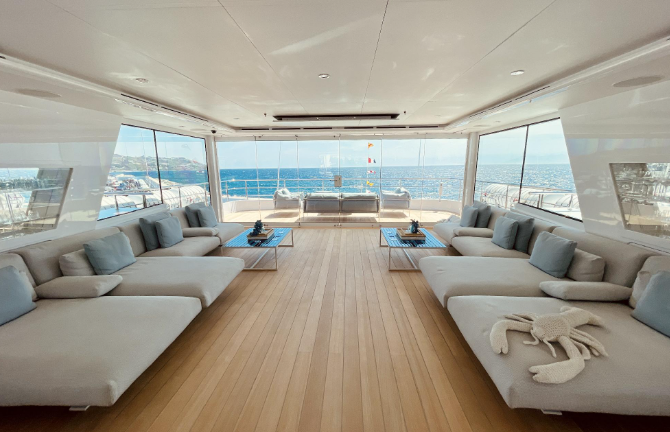
In its recent guide, 5 Classic Superyachts with million-dollar refits for Charter in Italy, My Italian Charter points to yachts such as TITIAN PEARL, KIJO, ITOTO, FIORENTE, and STARFIRE as strong examples of this trend. Some keep the warmth and presence of a classic superyacht while bringing in cleaner contemporary interiors, upgraded systems, and fresher guest spaces. Others feel almost brand new despite their original build year.
The company says the same thinking applies at the very top of the market as well. On its Top 8 Most Impressive Mega Yachts for Charter in Italy in 2026 list, CORAL OCEAN stands out as a clear example of what a world-class refit can do. After her 2022 refit, the 73-meter Lurssen combines the scale and pedigree of a true mega yacht with a much fresher onboard feel, including an exceptional wellness setup, large entertaining spaces, and the kind of platform that still feels highly current in the modern charter market.
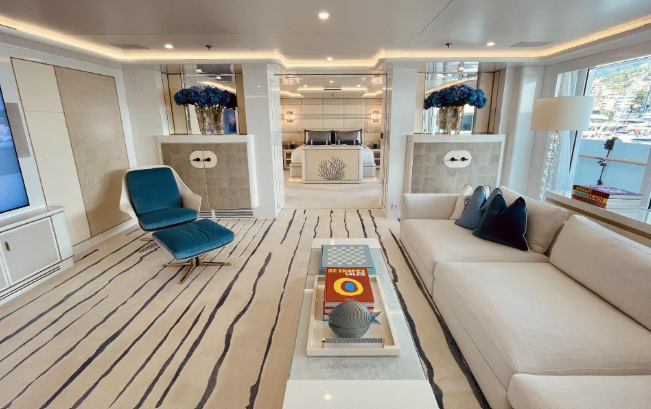
“Clients sometimes assume newer automatically means better, but that is not really how this part of the market works,” said Yanna Pristas, Yacht Charter Broker at DMA Yachting. “When a refit is done properly, the yacht can come back feeling completely reset. If the original platform was strong to begin with, the result can be more volume, larger cabins, and a better overall onboard flow than many newer yachts in the same price range. In Italy, that can be a very smart charter because the client is paying for the actual experience, not just the build year.”
My Italian Charter adds that this is also where value becomes more interesting. On its Top 10 Best Superyachts for Charter in Italy 2026 rankings, the company says refitted classics often sit in a sweet spot where clients can access more yacht, more comfort, and more identity than they might expect from the headline charter rate alone.
For My Italian Charter, the takeaway is simple: in Italy, the smartest high-end charter is not always the newest yacht on the market. Very often, it is a proven classic that has been brought back in exceptional condition and is now offering a stronger overall charter product.
YOUTUBE VIDEO: https://www.youtube.com/watch?v=Xh6iBHrl_io&t=121s
About My Italian Charter
My Italian Charter is a DMA Yachting-operated luxury yacht charter brand focused on high-end crewed yacht charters in Italy. The brand combines broker-led yacht selection, firsthand market knowledge, and practical charter planning across Sardinia, Sicily, the Amalfi Coast, the Italian Riviera, and other leading Italian cruising grounds.
Contact Information:
Business: DMA Yachting
Contact Name: Mo Pristas
Email: [email protected]
Website: https://myitaliancharter.com/
Country: United States