How To

The Organizations Hackers Don’t Expect to Fight Back

Organizations Hackers

Why Nonprofits Have Become Prime Cyber Targets

Cybercriminals no longer focus exclusively on banks, large corporations, or government institutions. In recent years, nonprofit organizations have become increasingly attractive targets. The reason is simple: nonprofits often manage sensitive donor information, financial records, volunteer databases, and internal communications while operating with limited IT resources.

Many organizations assume attackers have little interest in charities or advocacy groups. In reality, smaller budgets and lean technical teams can make nonprofits easier to breach than heavily protected enterprises. A ransomware attack against a nonprofit does not only threaten data-it can interrupt humanitarian work, delay aid distribution, and damage donor trust built over years.

The shift has forced many organizations to rethink how they approach cybersecurity for nonprofits, especially as remote work and cloud collaboration become standard.

Donor Trust Depends on Digital Security

Trust is one of the most valuable assets a nonprofit possesses. Donors share payment information, addresses, phone numbers, and sometimes deeply personal stories connected to causes they support. A data breach can instantly erode that trust.

Unlike commercial businesses, nonprofits often rely heavily on recurring donations and long-term community relationships. When supporters believe their information is unsafe, they may stop contributing altogether. Even a relatively small incident can create reputational damage that takes years to repair.

For organizations handling grants or government partnerships, cybersecurity failures may also create compliance issues. Increasingly, funding bodies expect nonprofits to demonstrate secure data handling practices before approving partnerships or financial support.

The Remote Work Problem Few Nonprofits Planned For

Many nonprofits expanded remote operations rapidly without redesigning their security infrastructure. Staff members began accessing sensitive files from personal laptops, public Wi-Fi connections, and shared home networks. Volunteers frequently joined projects using unmanaged devices outside organizational oversight.

This flexibility improved collaboration but introduced new vulnerabilities. Shared passwords, unsecured cloud storage, and weak authentication practices became common operational shortcuts. Attackers understand this environment well. Phishing campaigns targeting nonprofits often imitate donors, grant providers, or partner organizations to gain access to internal systems.

The challenge is not simply technological-it is operational. Nonprofits need security systems that protect distributed teams without creating barriers for employees and volunteers who may not have technical backgrounds.

Password Fatigue Is Quietly Creating Major Risks

One overlooked issue inside nonprofit organizations is credential management. Staff often juggle dozens of tools, including fundraising platforms, CRM systems, project management software, communication apps, and financial services. Under pressure, people reuse passwords or store them insecurely.

This creates an ideal environment for credential theft. A single compromised login can provide attackers with access to donor databases, internal communications, or cloud infrastructure.

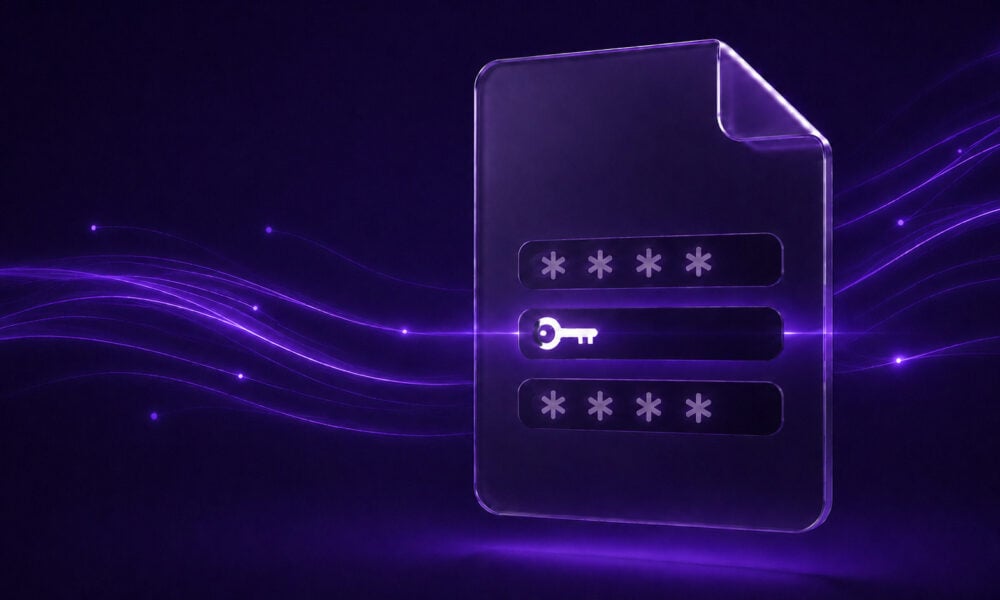
Organizations increasingly recognize that password security cannot depend entirely on individual habits. Centralized credential policies, multi-factor authentication, and controlled access management are becoming essential operational safeguards rather than optional upgrades.

Limited Budgets Require Smarter Security Priorities

Nonprofits rarely have the resources to build enterprise-scale security departments. Every technology investment competes with mission-driven spending priorities. This reality forces organizations to think strategically about where protection matters most.

The most effective nonprofit security strategies usually focus on reducing high-impact risks first:

  • Securing remote access to organizational systems
  • Protecting donor and payment information
  • Limiting unauthorized account access
  • Encrypting communications across distributed teams
  • Managing permissions for volunteers and contractors

Rather than implementing dozens of disconnected tools, many organizations are moving toward consolidated security platforms that simplify management while improving visibility.

Cybersecurity Is Becoming Part of Organizational Governance

Board members and executive directors increasingly view cybersecurity as a governance issue rather than an isolated IT concern. A security incident can affect legal compliance, fundraising stability, media reputation, and operational continuity simultaneously.
This shift changes how nonprofits evaluate risk. Questions once reserved for technical teams now appear in leadership meetings:

Who has access to donor records?
How quickly can compromised accounts be disabled?
What happens if a remote employee’s device is stolen?
Can the organization continue operating during a ransomware attack?

Answering these questions requires policies, training, and infrastructure working together instead of isolated technical fixes.

Volunteers and Third-Party Access Complicate Security

Unlike traditional corporations, nonprofits often rely on temporary staff, volunteers, external consultants, and regional partners. Access levels constantly change as projects evolve. Without centralized oversight, accounts may remain active long after someone leaves an organization.

Former volunteers retaining access to cloud systems represent a significant but common risk. The same issue applies to agencies managing communications, marketing, or donor campaigns. If permissions are not updated consistently, organizations lose visibility into who can access sensitive systems.

This is where structured access control becomes essential. Permissions should be role-based, temporary when necessary, and easily revocable without disrupting operations.

Security Awareness Matters More Than Expensive Technology

Many successful cyberattacks begin with ordinary mistakes rather than advanced hacking techniques. A staff member clicks a malicious attachment disguised as a grant proposal. A volunteer responds to a fake invoice request. An employee reuses credentials exposed in a previous data breach.

Technology alone cannot solve these problems. Nonprofits that prioritize ongoing security awareness training often reduce risk more effectively than organizations relying solely on expensive infrastructure.

Training works best when it reflects real nonprofit workflows rather than generic corporate scenarios. Employees and volunteers should understand how phishing campaigns target donor communications, fundraising systems, and collaboration platforms specifically.

Building Resilience Instead of Reacting to Crises

Cybersecurity is no longer just about preventing attacks. Modern organizations must also prepare for recovery. Backups, incident response plans, and access controls determine how quickly a nonprofit can resume operations after an incident occurs.

For nonprofits operating in crisis response, education, healthcare, or advocacy, downtime can directly affect vulnerable communities. The ability to maintain continuity during technical disruptions is becoming just as important as preventing breaches entirely.

Organizations that approach cybersecurity as part of long-term operational resilience-not merely technical defense-are better positioned to protect their missions, their supporters, and the communities that depend on them.

Comments
To Top

Pin It on Pinterest

Share This