From “Clear Vision” to “Smart Protection,” NAVO Redefines Home Security with 2.5K Ultra HD Imaging and Physical Privacy Shielding
CES 2026, the world’s leading consumer technology show, once again set the stage for the most influential technology launches. At this year’s event in Las Vegas, Dreame showcased the ongoing evolution of NAVO, its smart security brand founded in 2025. The brand’s presence at CES highlighted the progress achieved over the past year and demonstrated Dreame’s continued expansion beyond intelligent home appliances into next-generation home protection.
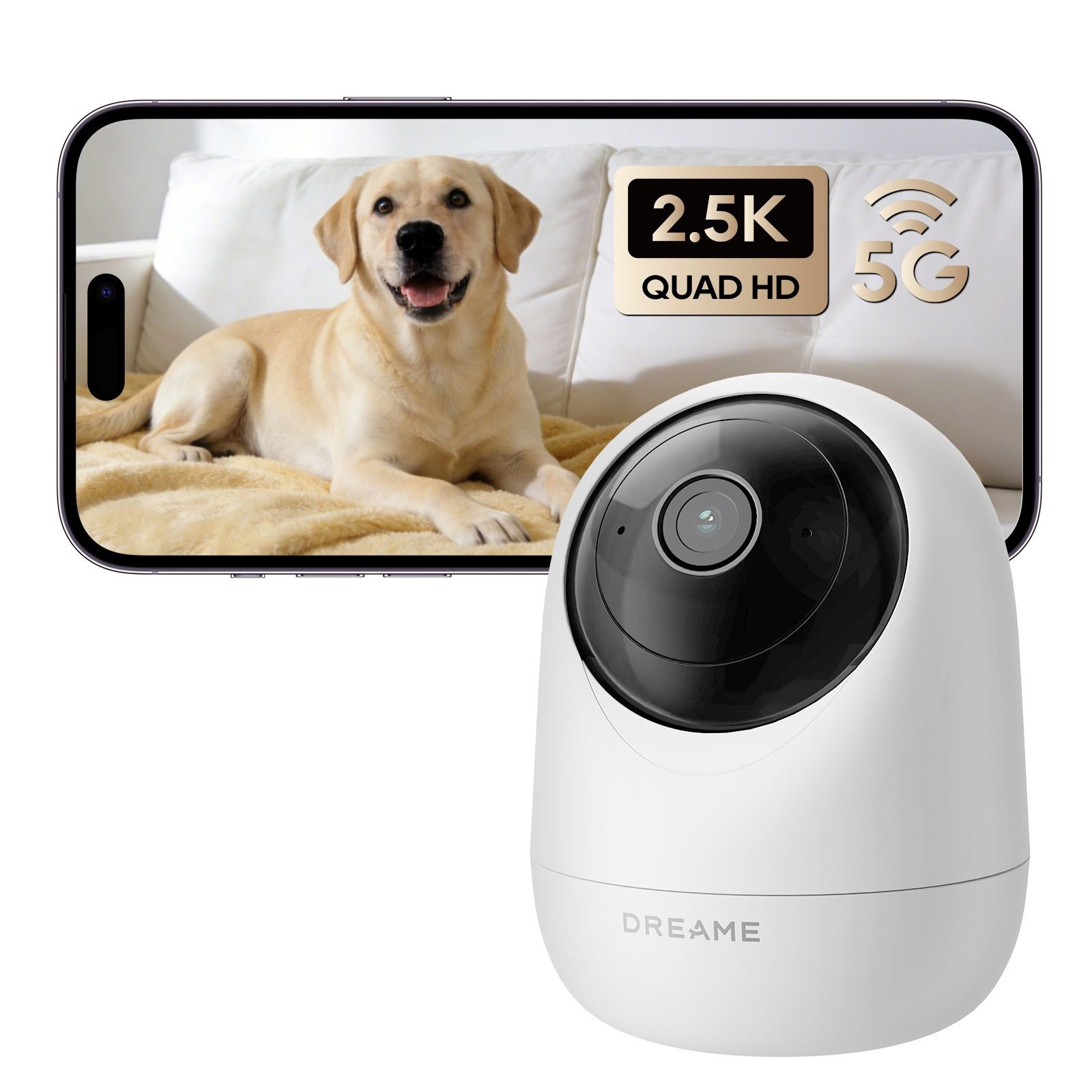
At the centre of this North American debut is the NAVO Care Series, now Ranked in the top 100 within its category in less than three weeks since launch.. Designed for modern households seeking security without compromise, the Care Series reflects NAVO’s core promise of “Freedom with Peace of Mind.” It signals a shift in how security is perceived, not as constant surveillance, but as quiet, intelligent reassurance built into everyday life.
NAVO’s launch momentum has been building steadily. Even before CES 2026, the brand earned recognition across major global technology platforms, including IFA and CES, establishing its credibility as a professional, innovation-driven security brand from day one. At CES 2026, the brand drew significant attention from industry attendees and public figures alike. NBA star Derrick Rose also visited the booth to experience the products firsthand, reflecting the strong interest and growing visibility NAVO has achieved within the smart security sector.

Why the NAVO Care Series Is the Ideal Choice for Modern Households
Home security expectations have changed. Today’s households want clarity, privacy, intelligence, and connection, delivered seamlessly. The NAVO Care Series has been designed around these exact needs, balancing advanced technology with thoughtful design.
Clearer Vision with 2.5K HD Resolution
Visual clarity remains foundational to effective security. With its 2.5K HD resolution, the Care Series goes well beyond standard 1080P, delivering sharper details and more reliable monitoring. Faces, movement, and surroundings appear clearer, enabling users to assess situations quickly and confidently.
This enhanced resolution becomes especially valuable in everyday use, whether checking in remotely or reviewing activity alerts. On platforms like Amazon, where visual performance is instantly noticeable, the Care Series clearly differentiates itself as a premium yet accessible option.
Key visual advantages include:
- Sharper image detail compared to traditional 1080P cameras
- Improved clarity for identifying people and movement
- A noticeably more refined viewing experience across devices
Trust Built Through a Physical Privacy Shield
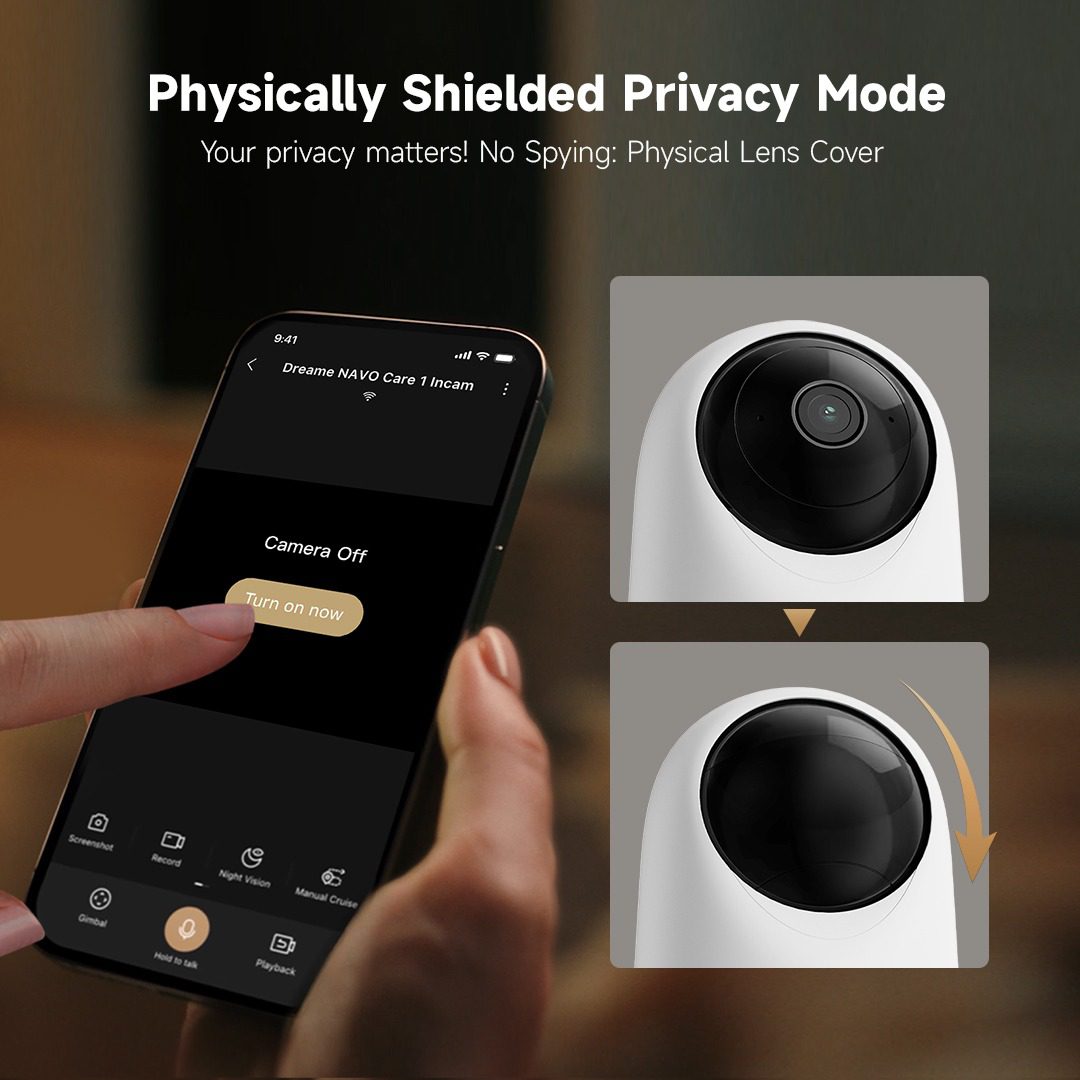
As smart security becomes more prevalent, privacy concerns continue to grow. NAVO addresses this directly with a physical lens privacy shield, offering users tangible control rather than relying solely on digital settings.
This design choice reflects a deeper understanding of user trust. A physical shield offers immediate reassurance by visibly protecting privacy when it’s needed. Coming home feels different when privacy isn’t just promised, but physically ensured.
The privacy-first approach delivers:
- Clear visual confirmation of when the camera is inactive
- Reduced anxiety around accidental or unwanted monitoring
- Greater confidence in using security technology inside the home
Intelligent Coverage with 360° Pan and AI Detection
Coverage matters, but relevance matters more. The NAVO Care Series features 360° smooth pan functionality, ensuring comprehensive visibility without blind spots. This is paired with AI-powered detection that intelligently filters alerts, reducing unnecessary notifications.
Rather than overwhelming users with constant updates, the system focuses on what truly matters. This balance of awareness and restraint is particularly valuable for busy households seeking security that works quietly in the background.
Intelligent protection benefits include:
- Full-scene coverage from a single device
- AI-driven filtering to minimise false alerts
- More meaningful notifications without constant interruptions
Always Connected with Two-Way Audio and Night Vision
Security doesn’t pause after dark. With integrated night vision, the Care Series maintains visibility even in low-light conditions. Combined with two-way audio, users can stay connected in real time, whether responding to activity or checking in on loved ones.
Through seamless integration with the Amazon app, users can monitor, communicate, and respond from anywhere. It’s security that feels active, responsive, and reassuring, day or night.
Connection features include:
- Clear night-time monitoring
- Real-time communication via two-way audio
- Easy remote access through the Amazon ecosystem
Looking Ahead: NAVO Elite Series Arrives This March
While the Care Series addresses today’s household security needs, NAVO’s vision extends further. Scheduled for release in February, the Elite Series represents the brand’s flagship line, focused on pushing the boundaries of smart security innovation.
Two standout technologies define this next phase:
- NightVivid™ Full-Color Night Vision:
Designed to deliver vivid, full-colour visuals in ultra-low-light environments, setting a new benchmark for night-time clarity. - AIgoMart Algorithm:
An advanced detection system engineered to deliver precise insights into rapid movement, enhancing accuracy and responsiveness.
Together, these innovations reinforce NAVO’s strategic positioning: while Care provides comprehensive everyday protection, Elite explores uncharted technological frontiers, underscoring NAVO’s commitment to continuous innovation.
From Dreame’s DNA to an Independent Security Ecosystem
NAVO carries forward Dreame’s legacy of technical excellence, but it stands firmly as an independent brand with a clearly defined product ecosystem. This ecosystem is structured across four core product lines, each designed to address different user needs and expectations:
- Prime: Essential, reliable security solutions
- Care: Everyday protection focused on emotional reassurance
- Smart: Intelligent solutions for connected home environments
- Elite: Advanced, future-ready security innovation
At its core, NAVO challenges conventional thinking around surveillance. Rather than positioning security cameras as passive observers, the brand frames them as smart, respectful partners, present when needed, discreet when not.
NAVO’s worldview is simple yet powerful: true security should protect both the home and the sense of comfort within it.
Now Available on Amazon: Secure What Matters Most
The NAVO Care Series is now officially available on Amazon, making advanced home protection accessible to households worldwide. Consumers can explore NAVO security solutions directly on Amazon to find the right fit for their needs.
While the recent Best Deal promotion has officially concluded, customers can look forward to NAVO’s upcoming Spring Sale event in mid-March, when special seasonal offers will once again be available. The NAVO Care Series remains available on Amazon for those seeking advanced, thoughtfully designed home protection.
To celebrate our North American debut, we are also hosting special giveaways during the launch period. Follow on social media to stay updated and participate:
Facebook: https://www.facebook.com/profile.php?id=61585702738026
Instagram: https://www.instagram.com/navo_by_dreame/
With a growing product portfolio, a strong privacy-first philosophy, and a commitment to intelligent design, NAVO continues its mission to create safer, more private homes for families worldwide.