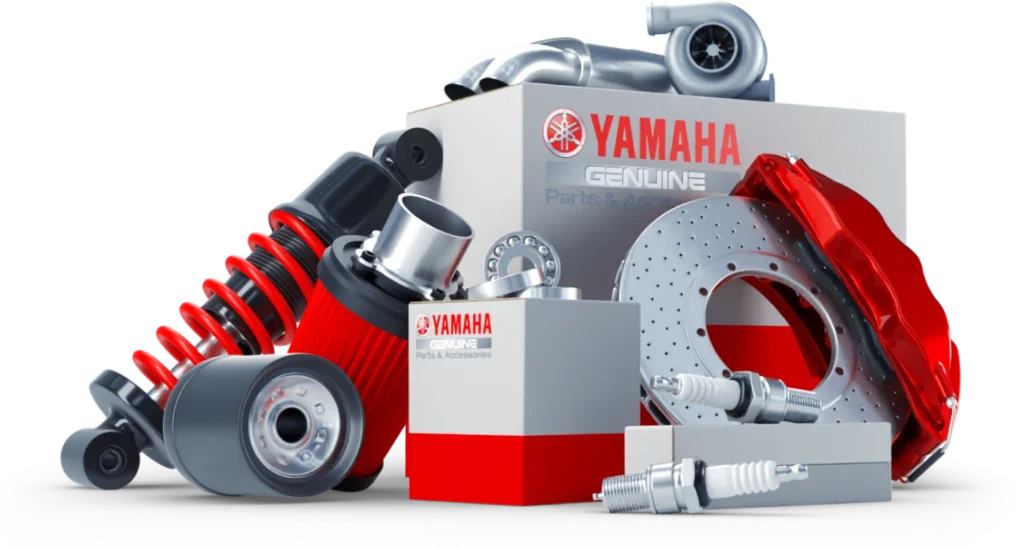
When a Yamaha outboard needs service, the part itself is only half the decision. The other half is fitment. A lower price can look appealing until a seal does not seat properly, a mounting point is slightly off, or the repair takes longer because the match was too loose from the start.
That is why many owners begin with Yamaha OEM parts when the job involves engine function, exact fit, or components that need to work together without adjustment. Original parts are not the only option in every case, but they often make the most sense when accuracy matters more than experimentation.
One practical advantage is clarity. Instead of guessing based on photos or broad engine families, buyers can focus on the specific application and order with more confidence.
How to Decide When OEM Yamaha Parts Are the Better Choice
The first step is to look at the repair itself. Some jobs are routine and relatively forgiving. Others depend on exact dimensions, material consistency, or clean integration with surrounding components. The more critical the role of the part, the more important it becomes to match the original specification.
A useful way to think about it is to separate parts into three groups:
- Routine maintenance items that may leave more room for comparison
- Fit-sensitive parts where even small differences can create installation issues
- Engine-critical components that affect operation, sealing, alignment, or system performance
If a component affects any of the areas below, OEM is often the more practical starting point:
- sealing surfaces
- mounting points and alignment
- fuel delivery
- cooling function
- ignition or electrical performance
Consistency also matters. Many Yamaha owners prefer OEM for repairs where they want fewer variables, especially during the boating season when delays are inconvenient and redoing work costs time. The part may not be visibly complex, but if it needs to sit, seal, or align exactly as designed, OEM often becomes the safer starting point.
Before ordering, confirm the engine details and use diagrams or application lookups whenever possible. One of the most common mistakes is ordering by appearance alone. Another is assuming a part will fit because it belongs to the same engine family. In practice, that is where wrong-part orders begin.
What “OEM” Means and Why Owners Often Prefer It
OEM stands for original equipment manufacturer. In plain terms, it refers to a part made to match the original specification used for the engine application. For Yamaha outboards, that usually means better confidence in fitment, more consistent compatibility, and a more direct replacement process.
That does not mean every buyer chooses OEM for the same reason. Some want a straightforward fit with less guesswork. Others are trying to avoid the kind of small mismatch that turns a simple repair into a leak, alignment issue, or repeat order. In marine maintenance, exact application often matters as much as the part category itself.
The biggest problem is not always choosing the wrong type of part. More often, it is choosing a part based on how it looks rather than how it fits within the specific model application. Two components can appear nearly identical and still behave very differently once installed.
Where OEM Matters Most
| Area | Why OEM often makes more sense |
| Gaskets, seals, and O-rings | Small dimensional differences can affect sealing and long-term reliability |
| Fuel and cooling system parts | System compatibility matters, especially where flow and pressure are involved |
| Mounting and bracket-related components | Exact shape and alignment help avoid installation issues |
| Ignition and electrical parts | Application-specific matching helps reduce avoidable troubleshooting |
| Maintenance jobs where buyers want fewer variables | OEM can simplify ordering and reduce guesswork-based decisions |
Why Many Owners Start With OEM Before Comparing Other Options
For many buyers, OEM is less about brand loyalty and more about reducing uncertainty. Starting with the original specification gives them a reliable baseline. Once they know the correct application, they can make a better judgment about whether they want to compare alternatives.
That approach has practical value. It improves fitment confidence, lowers the chance of ordering by guesswork, and makes maintenance planning easier over time. Owners who service their engines regularly often want a predictable process, not a cheap part that becomes expensive after returns, delays, or extra labor.
A few habits make the process cleaner:
- confirm the exact Yamaha model information before searching
- use diagrams to verify the part’s location and application
Why the Cheapest Part Is Not Always the Lowest-Cost Decision
Parts are often compared by shelf price, but that is only one piece of the cost. A part that is cheaper upfront can become more expensive once you factor in reorder delays, repeat labor, troubleshooting time, and missed time on the water.
That is especially true for parts that affect engine operation or need an exact fit. If a component does not install correctly the first time, the problem is no longer just the price of the part. It becomes the cost of opening the assembly again, waiting for a replacement, and potentially diagnosing an issue caused by fitment rather than the repair itself.
| Cost factor | Lower-priced alternative | Correctly matched OEM part |
| Purchase price | Often lower | Often higher |
| Fitment predictability | Can vary | Usually more consistent |
| Risk of reorder | Higher if the application is unclear | Lower when confirmed by the model |
| Time and labor impact | Can increase quickly | Usually easier to manage |
| True repair cost | Sometimes higher than expected | Often more stable overall |
For that reason, many experienced owners compare prices only after they confirm the correct application and decide how much consistency matters for that specific job.
OEM Buying Checklist
Before placing the order, it helps to slow down and verify the basics. Confirm the exact Yamaha model details, identify whether the part is fit-sensitive, and use diagrams or application lookups if they are available. Do not rely on appearance alone, even if the old part looks identical to something listed elsewhere. A final check before checkout is usually faster than fixing an avoidable ordering mistake later.
FAQs
What does OEM mean for Yamaha outboard parts?
It means the replacement part is intended to match the original equipment specifications for the engine application. Many owners choose OEM when they want consistency and straightforward fitment.
Are OEM parts always necessary?
Not in every situation, but they are often preferred when fit, reliability, or application accuracy matters most.
Why do owners order the wrong Yamaha parts so often?
Usually, because they rely on appearance or partial engine information instead of confirming the exact model application.
When is OEM usually the safer choice?
It is often the safer choice for fit-sensitive or engine-critical components where a close match is not good enough.