
SMARTRealty – Revolutionizing Real Estate Transactions.

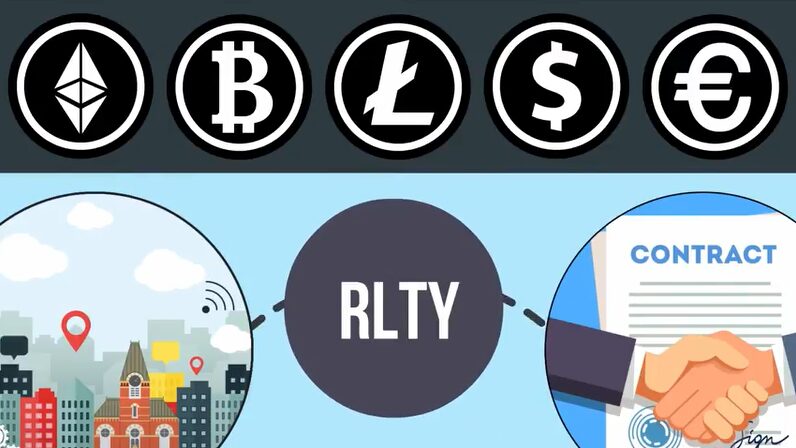
Real estate transactions could be very burdensome. A simple lease or rent agreement can be very complicated for one to understand. The enforcement of rules set in the agreement can also take time to implement, from both the landlord’s and the tenant’s side. Further reading: How SmartRealty is Revolutionizing Real Estate Transactions.. Further reading: Smart Advertising Transaction Token is the future of Advertising Transactions.
These and other issues slow down and make the renting business inefficient.
SMARTRealty
SMARTRealty is a Blockchain based property-renting platform that is designed for making the renting industry more efficient. The platform relies on the power of blockchain and its decentralization to give landlords and tenants a smoother, safer and transparent experience.
SMARTRealty aims to have a network of websites, where landlords, tenants, real estate purchasers and sellers can all connect, not much unlike existing setups. The major difference is that with blockchain, all contracts and deals done will be direct, without the need of intermediaries and website commission charges. This means more money for the seller or landlord and lesser payout for the buyer or tenant.
Another feature is the usage of smart contracts. This means that deals will be automatically executed or held, depending on the contract clauses. The contract, like any blockchain transaction, is a permanent record and cannot be altered. This is a safety net for the tenant that the landlord cannot use abuse his or her power, while gives security to the landlord that the tenant’s rent will automatically be paid on time.
How Does SMARTRealty Work?
The SMARTRealty smart contract works in three easy steps:
- Purchase, simply monthly or annual rent agreement between two parties. The parties agree on terms and write it into a SMARTRealty based smart contract, such as date of payments, amount of rent, penalties etc.
- Payment is made into the contract. Major cryptocurrencies and Fiat are accepted. However, the money entered will be automatically converted into the platform’s internal RLTY tokens.
- When the final payment is made, or the parties call off the contract, the contract will close and will release any security deposits or other money that is to be refunded.
RLTY Token
The renting platform is powered by its internal RLTY token. All contracts executed will use this token. The token is in its ICO right now, that will end in roughly a month. The RLTY token is available at a rate of 0.0008 ETH per RLTY. There is also a 10% bonus for early investors as of now.
Website: https://smartrealty.io/






Comment