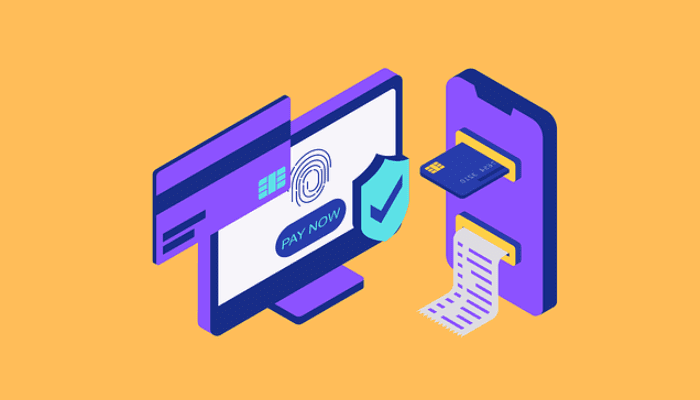
If you plan on protecting your business, then cyber threats need to be taken seriously. Being prepared for digital threats is a major strength of a Payment Gateway in India. As a business, having less security can mean the end of your business. In order to be successful in the eCommerce space, here are a few things to prioritize.
1) Training
Trained employees are your best defense against cyber threats. There are many cases of a single employee making a mistake that compromises an entire network. When workers know what to look out for, hackers have one less door to go through. Email training is only the tip of the iceberg if you want to avoid these attacks. Actual cyber threat training should be ongoing while having a way to keep track of workers that are weak points. As a business, it is no longer reliable to solely depend on hardware to outsmart a cyber-attack.
2) Phishing
Phishing scams have been around since the beginning of the internet. They are the lowest form of cyber-attacks, yet still remain a dangerous problem. The strength of phishing is not the content, but the wide web that it casts over an entire network. A single worker falling for a phishing scam out of a million is still considered a success. A company can counteract this with training, but should still put resources into a secure email system.
3) Updates
System wide updates can be annoying when they happen on a daily basis. It interrupts workflow and can sometimes lead to the discovery of new bugs. Most updates are security related, so avoiding them causes more harm than good. A company that wants to protect their systems without the normal interruption of updates can always schedule them during non-work hours. It’s also a good idea to do these updates in sections rather than all at once. There is nothing wrong with putting an update on hold until you’re sure about its stability. Just read the release notes, and be extra wary of the issues it fixes until you do the actual update.
4) Mobile Security
Accessing work resources from a smartphone has become a normal part of business needs. Employees that use their personal phones to access work computers are usually logging into a VM. Virtual machines without normal upkeep are unsecure. Instead of being a safe space, it becomes the actual target of an attack. Enhance your mobile security by providing access to mandatory security tools for mobile platforms. It’s a small hassle that will save you a lot of money in the long-term.
5) Secure Backups
A huge business mistake involves storing work backups in the same location as regular files. Ideally, a backup will be cloud based, and on a completely different network. Cyber threats can also attack backups while multiplying. This is why multiple backup solutions with identifiable timestamps are the best way to combat the problem.
Wrap Up
Businesses have to be on guard since new threats pop up every day. Don’t become the target of a new scheme by overlooking the small details about your security. Cyber threats are real, and stopping them means being one step ahead of the danger.