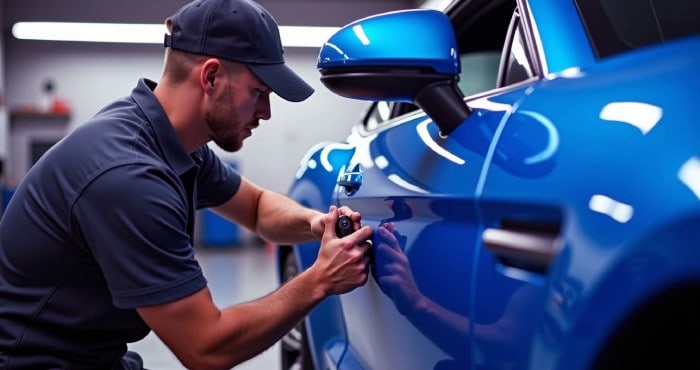
The days of just hammering out a dent and calling it a night are fading fast, thanks to the skyrocketing costs of parts and the sheer complexity of modern vehicle sensors. These days, mechanics aren’t just fixing cars, but repairing high-performance computers on wheels. You may think you have the right tools for a DIY body job, but the truth is it may be necessary to find a reliable tempe body shop that understands the marriage of old-school craft and new-age tech.
The auto industry has undergone massive changes. Cars have become smarter, so the shops have to get smarter too. You can’t just “eyeball” a frame alignment on a car packed with ADAS (Advanced Driver Assistance Systems) and hope for the best. If one sensor is off by a fraction of a millimeter, the whole safety system fails. This article discusses the tech revolution reshaping modern body shops.
The Rise of the “Smart” Repair
Precision has always been the goal, but let’s be real, human error is part of the gig. Or at least, it used to be. Today, 3D scanning technology has turned structural repair into a science. You know those intricate laser systems that map out a car’s frame against the factory’s original blueprints? That’s becoming the gold standard. It takes the guesswork out of the equation entirely, ensuring that when a car leaves the bay, it’s as safe as the day it rolled off the assembly line.
Then there’s the whole world of Augmented Reality (AR). It sounds like something out of a sci-fi movie, doesn’t it? But technicians are starting to use AR headsets to see “through” the body panels, identifying wiring harnesses and structural reinforcements without having to tear the whole car apart first. It saves a massive amount of time. Instead of flipping through a 500-page manual, the info is right there in the tech’s field of vision.
AI and the Death of the Paper Trail
Administrative work is usually a nightmare, especially if you’re dealing with endless insurance adjusters and the stack of invoices that never seems to shrink. Digital transformation has finally taken a swing at the “back office” side of things, and the results are pretty refreshing. AI-powered estimating tools can now analyze photos of a crash and generate a preliminary parts list in seconds. Is it perfect? Not yet, but it’s a heck of a lot faster than waiting three days for an inspector to show up.
Customers today expect a digital experience. They want text updates, photos of the progress, and the ability to pay their deductible online. If a shop is still relying on a landline and a dusty filing cabinet, they’re going to lose the trust of the modern driver. Software platforms now integrate everything, from parts ordering to customer CRM, into one dashboard. It sounds corporate, but it makes the shop feel more human.
Sustainability Through Sophistication
You’ve probably noticed that “green” initiatives aren’t just for show anymore; they’re becoming a requirement. Modern body shops are pivoting toward waterborne paint systems and high-efficiency spray booths that significantly cut down on VOC emissions. But the real tech story here is in waste reduction. Digital inventory management means shops aren’t over-ordering materials that end up sitting on a shelf and expiring.
Even the way they handle parts is changing. With the rise of 3D printing, some specialized clips or plastic brackets that used to take weeks to ship can now be fabricated on-site. Can you imagine the reduction in the carbon footprint when you don’t have to fly a tiny piece of plastic across the ocean? It’s a niche part of the revolution, sure, but it’s a sign of where things are heading. The industry is becoming more self-sufficient and less reliant on fragile global supply chains.
Summing Up
The shift from traditional dent removal to a fully digital ecosystem is a transformative revolution. It’s easy to feel a bit nostalgic for the days of simple engines and manual labor, but the benefits of this tech revolution are just too big to ignore.