
Where to Find Reliable Semi-Trailers for Sale

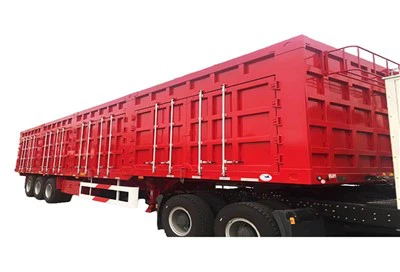
The transportation industry depends on dependable equipment to keep freight moving efficiently and profitably. Whether you’re an owner-operator purchasing your first trailer, a fleet manager expanding operations, or a logistics company replacing aging equipment, finding reliable semi-trailers for sale is a critical decision that can impact your business for years to come. A quality trailer can improve productivity, reduce downtime, enhance safety, and contribute to stronger long-term returns on investment.
However, finding the right trailer is about more than simply comparing prices. Buyers must evaluate equipment condition, seller reputation, maintenance history, warranty options, financing availability, and long-term operating costs. With thousands of listings available online and through dealerships, it can be challenging to determine which opportunities represent genuine value and which may lead to costly repairs and unexpected downtime.
As the trucking and transportation industries continue to evolve in 2026, buyers have more purchasing options than ever before. Understanding where to look, what questions to ask, and how to evaluate potential purchases can help you make a confident investment. This guide explores the best places to find reliable semi-trailers for sale and provides practical tips for choosing equipment that supports your business goals.
Why Choosing the Right Semi-Trailer Matters
A semi-trailer is one of the most important assets in a transportation operation. The trailer directly affects cargo capacity, maintenance expenses, operational efficiency, and customer satisfaction.
Choosing reliable equipment offers several benefits:
- Reduced repair costs
- Improved fleet uptime
- Enhanced safety performance
- Better fuel efficiency
- Longer service life
- Stronger resale value
- Greater operational flexibility
On the other hand, purchasing a poorly maintained trailer can lead to ongoing expenses that quickly eliminate any upfront savings.
Before beginning your search for semi-trailers for sale, it’s important to understand exactly what your business needs.
Determine Your Trailer Requirements First
Different freight applications require different trailer types.
Before shopping, evaluate:
- Freight type
- Cargo weight
- Route conditions
- Loading requirements
- Regulatory compliance needs
- Expansion plans
Common trailer categories include:
Dry Van Trailers
Dry vans are among the most widely used trailer types.
Ideal for:
- General freight
- Consumer goods
- Packaged products
- Retail shipments
Refrigerated Trailers
Also known as reefers, these trailers maintain controlled temperatures.
Common uses include:
- Food transportation
- Pharmaceutical shipments
- Perishable goods
- Temperature-sensitive products
Flatbed Trailers
Flatbeds accommodate oversized or irregularly shaped cargo.
Frequently used for:
- Construction materials
- Machinery
- Equipment transport
- Industrial freight
Step Deck Trailers
Step decks provide additional height clearance for taller loads.
Common applications include:
- Heavy equipment
- Agricultural machinery
- Industrial components
Lowboy Trailers
Lowboys are designed for extremely tall and heavy loads.
They are often used for:
- Construction equipment
- Oversized machinery
- Specialized hauling operations
Understanding your operational needs narrows your search and helps ensure you purchase the right equipment.
Authorized Semi-Trailer Dealerships
One of the most reliable sources for semi-trailers for sale is an authorized dealership.
Dealerships often offer:
- New inventory
- Used inventory
- Manufacturer support
- Financing assistance
- Warranty options
- Inspection services
Advantages of buying from a dealership include:
- Greater transparency
- Professional inspections
- Access to maintenance records
- Customer support after purchase
Many dealerships also have experienced staff who can recommend equipment based on your specific hauling requirements.
Benefits of Dealer-Certified Used Trailers
Some dealerships offer certified pre-owned inventory.
These trailers may undergo:
- Structural inspections
- Brake evaluations
- Tire inspections
- Lighting system checks
- Suspension assessments
Certified inventory often provides additional confidence compared to private-party purchases.
Online Equipment Marketplaces
Online marketplaces have become one of the most popular resources for finding semi-trailers for sale.
These platforms allow buyers to compare hundreds or even thousands of listings from across the country.
Benefits include:
- Large inventory selection
- Easy price comparisons
- Detailed equipment descriptions
- Photo galleries
- Seller ratings
- Nationwide availability
Popular marketplace features often include:
- Advanced search filters
- Manufacturer searches
- Trailer type categories
- Year filters
- Price range filters
- Location-based searches
While online marketplaces offer convenience, buyers should always verify equipment details independently before finalizing a purchase.
Commercial Truck and Trailer Auctions
Auctions can provide opportunities to acquire equipment at competitive prices.
Sources may include:
- Fleet liquidations
- Transportation company upgrades
- Bankruptcy sales
- Government surplus auctions
- Equipment financing repossessions
Potential benefits include:
- Lower purchase prices
- Large inventory availability
- Access to specialized equipment
- Quick acquisition opportunities
However, auctions also carry risks.
Potential concerns include:
- Limited inspection opportunities
- Unknown maintenance histories
- Limited warranties
- Competitive bidding environments
Buyers should establish clear budgets before participating in any auction event.
Fleet Retirement and Fleet Sales Programs
Large transportation companies regularly rotate equipment out of service as part of their fleet management strategies.
These fleet retirement programs can provide access to well-maintained trailers.
Advantages may include:
- Consistent maintenance histories
- Professional servicing records
- Predictable usage patterns
- Bulk inventory availability
Many fleet operators follow strict preventive maintenance schedules, making these trailers attractive options for buyers seeking dependable used equipment.
When purchasing retired fleet equipment, request:
- Maintenance documentation
- Inspection reports
- Repair histories
- Ownership records
This information can provide valuable insight into the trailer’s condition.
Manufacturer Direct Sales Programs
Some manufacturers offer direct sales opportunities through factory-owned programs.
Benefits may include:
- Access to new inventory
- Factory-backed warranties
- Customization options
- Financing programs
- Technical support
Direct purchasing may be particularly beneficial for larger fleets seeking multiple units or specialized trailer configurations.
Common customization options include:
- Flooring upgrades
- Aerodynamic packages
- Liftgate installations
- Cargo management systems
- Specialized lighting packages
For businesses with unique transportation requirements, manufacturer-direct programs may provide the greatest flexibility.
Local Equipment Dealers and Regional Sellers
Many buyers prefer working with local dealers because of the convenience and accessibility they provide.
Benefits of buying locally include:
- Easier inspections
- Reduced transportation costs
- Faster acquisition timelines
- Ongoing service support
- Stronger business relationships
Local dealers often understand regional transportation demands and can recommend equipment suited to local operating conditions.
For example:
- Agricultural regions may emphasize grain and livestock trailers.
- Industrial markets may focus on flatbeds and heavy-haul equipment.
- Food distribution networks may offer extensive reefer inventories.
Working with a knowledgeable local dealer can simplify the purchasing process significantly.
Private Sellers
Private sellers remain a common source of semi-trailers for sale.
Potential advantages include:
- Lower asking prices
- Greater negotiation flexibility
- Direct communication with previous owners
However, buyers should exercise caution.
When evaluating private-party listings:
- Conduct a thorough inspection
- Verify ownership documentation
- Review maintenance records
- Confirm VIN information
- Check for structural damage
- Evaluate tire and brake condition
Hiring a professional inspector before completing the transaction is often a wise investment.
What to Look for During a Trailer Inspection
Regardless of where you find semi-trailers for sale, a comprehensive inspection is essential.
Structural Integrity
Inspect for:
- Frame damage
- Corrosion
- Cracks
- Weld issues
- Floor deterioration
Structural repairs can be expensive and may affect safety.
Suspension Components
Check:
- Springs
- Air ride systems
- Bushings
- Axles
Suspension issues can impact handling and maintenance costs.
Brake Systems
Evaluate:
- Brake pads
- Brake drums
- Air lines
- Brake chambers
Brake system reliability is critical for safe operation.
Tires and Wheels
Inspect for:
- Uneven wear
- Sidewall damage
- Proper tread depth
- Wheel condition
Tire replacement expenses can significantly impact total ownership costs.
Lighting and Electrical Systems
Verify proper operation of:
- Brake lights
- Turn signals
- Marker lights
- Wiring systems
Electrical issues may indicate broader maintenance concerns.
Questions to Ask Before Purchasing
When evaluating potential equipment, ask the seller important questions such as:
- Why is the trailer being sold?
- How was the trailer used?
- What maintenance has been performed?
- Are maintenance records available?
- Has the trailer been involved in any accidents?
- Are there outstanding repairs needed?
- What warranty coverage exists?
- How long has the seller owned the trailer?
The answers can provide valuable insight into overall condition and reliability.
Financing Options for Semi-Trailer Purchases
Financing can make acquiring equipment more manageable.
Common financing solutions include:
- Equipment loans
- Commercial vehicle financing
- Lease-to-own programs
- Fleet financing packages
- Manufacturer financing programs
Benefits of financing may include:
- Preserved working capital
- Predictable monthly payments
- Faster fleet growth
- Improved cash flow management
Before choosing financing, compare:
- Interest rates
- Loan terms
- Down payment requirements
- Early payoff options
- Total borrowing costs
A favorable financing arrangement can significantly improve return on investment.
Red Flags to Watch For
Not every listing represents a good opportunity.
Potential warning signs include:
- Missing maintenance records
- Unusually low pricing
- Refusal to allow inspections
- Incomplete ownership documentation
- Visible structural damage
- Extensive rust or corrosion
- Inconsistent repair histories
If something seems questionable, further investigation is always worthwhile.
The cost of due diligence is often far less than the cost of unexpected repairs.
Balancing Price, Reliability, and Long-Term Value
Many buyers focus heavily on purchase price, but true value comes from balancing cost with reliability and operational performance.
A slightly higher-priced trailer may offer:
- Better maintenance history
- Lower repair expenses
- Longer service life
- Higher resale value
- Greater uptime
Evaluating total ownership costs rather than initial price alone often leads to better long-term decisions.
Finding Equipment That Supports Long-Term Success
Searching for reliable semi-trailers for sale involves much more than browsing listings and comparing prices. The best purchasing decisions come from understanding your operational needs, evaluating seller credibility, conducting thorough inspections, and considering long-term ownership costs. Whether you choose to buy from a dealership, online marketplace, auction, fleet retirement program, manufacturer, or private seller, taking a strategic approach can help you secure equipment that delivers dependable performance for years to come. By focusing on reliability, maintenance history, financing options, and overall value rather than simply pursuing the lowest price, transportation businesses can make smarter investments that improve efficiency, reduce downtime, and support sustainable growth in an increasingly competitive industry.






Comment