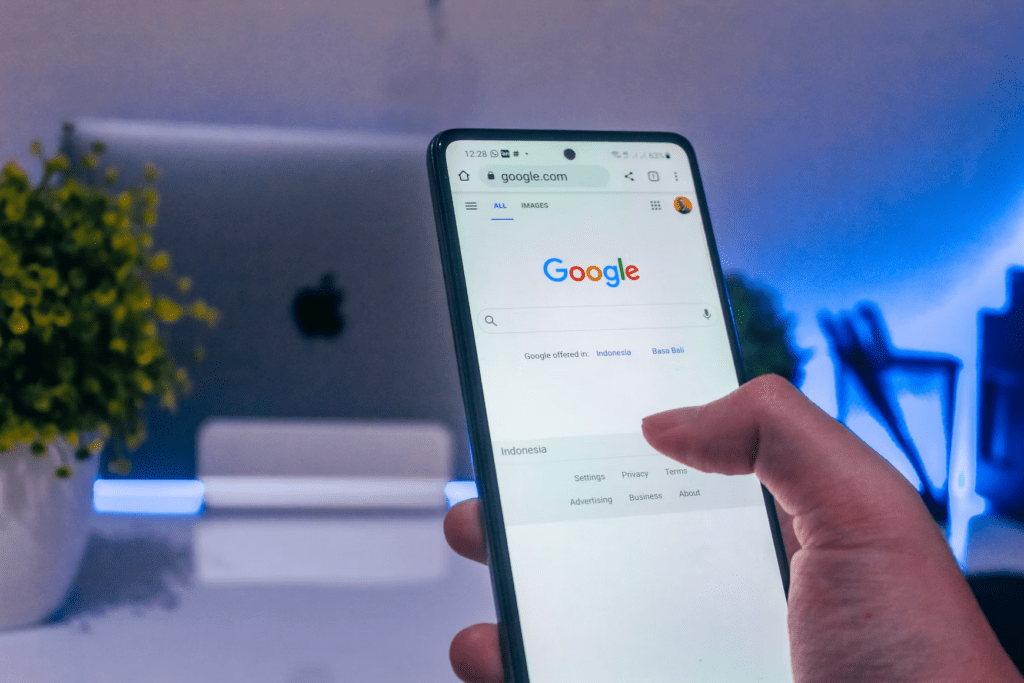
Most brands put substantial effort into researching everything they need to know to create successful Google ads. Marketing managers consider the copy, budget, timing and numerous other factors to maximise impact and drive sales.
Unfortunately, despite the best preparation, many publish their ads only to be hit with an unexpected status: “learning.”
But what is “learning,” and what does it mean for your Google ads? Let’s find out.
What is Google Ads learning?
“Learning” status is a new term for many brands starting in marketing. Most services work immediately, so why does Google’s solution need to “learn”?
Google ads go through this learning phase (even after you’ve done all the hard work and preparation) to uncover the optimal bidding strategy. The process is data-dependent, which means Google has to collect substantial information before it feels confident in providing you with an optimal strategy.
Before it can complete optimisations, Google must consider numerous variables, including the location, time, and user profile. Combining these allows it to decide when and where to display your ads in search results while enabling you to get the most bang for the buck from your budget.
For some industries, Google already has quite a bit of data. As such, the learning process doesn’t take quite as long. With existing data, the algorithm can work out how your ads fit into the ecosystem faster.
However, niche companies may need to wait longer for the ones and zeroes to do their magic. Proper training takes time – usually around seven days.
Does Google Ad Learning Affect Advertising Performance?
Google Ad learning can affect the performance of your advertising during the adjustment phase. The search giant says disruption is mostly minor but can be significant.
If you are worried about dips in performance, use Google Adsense or equivalent third-party tools. These show you whether ads are converting at the same rate. Swings of 5% in performance are common, but more than that could cause problems. If concerned, contact Google’s advertising team and talk to them about the issues you are seeing. Reps can guide you through fixes and provide advice when making similar changes in the future.
Once the learning phase finishes, your ad performance should improve. The optimisation means Google can improve your bidding, allowing you to lower your budget without losing effectiveness.
How to approach the learning process
After you’ve done the hard work of writing your ads, including relevant keywords and choosing your target audience, there’s not much left to do. Google Ad learning is something that happens in the background.
If you notice a decline in performance during the “learning” phase, avoid the temptation to act. Changing your campaign halfway through will make it more challenging for the algorithm to do its magic.
The best advice is to leave Google to “learn” for as long as required. In 99% of cases, the performance at the end of learning is better than at the start.
If performance remains low after optimisation, you can always contact a Google Ads agency. Professionals can work through any bugs or problems and find fixes that quickly bolster performance.
What affects the duration of the learning process?
Helpfully, Google provides information on the various factors that affect the duration of the learning process. These tell you how long you might have to wait for the algorithms to work their magic.
1. Conversion cycle length
Conversion cycle length refers to the time between clicking an ad and making a purchase. The longer this takes, the more extended the “learning” phase becomes. (If Google has to wait longer for the sale, it can’t collect data to optimise an ad).
2. The number of conversions
The number of conversions also plays a role. The more data points Google’s algorithms can work with, the more confident they will be of results.
3. Bid strategy changes
Finally, bid strategy variation can have a profound effect on learning phases. Manual cost-per-click (CPC) doesn’t require learning while other algorithms, such as maximising conversion value, do.
Now You Understand What Google Ads Learning Means For Your Ads
Reading this article, you should now understand what Google ads “learning” means for your ads. You will likely encounter it whenever you trigger an event (such as changing your bidding strategy, altering settings, or modifying your ad structure). Knowing what you’re going into can help you prepare and improve performance while reducing anxiety.