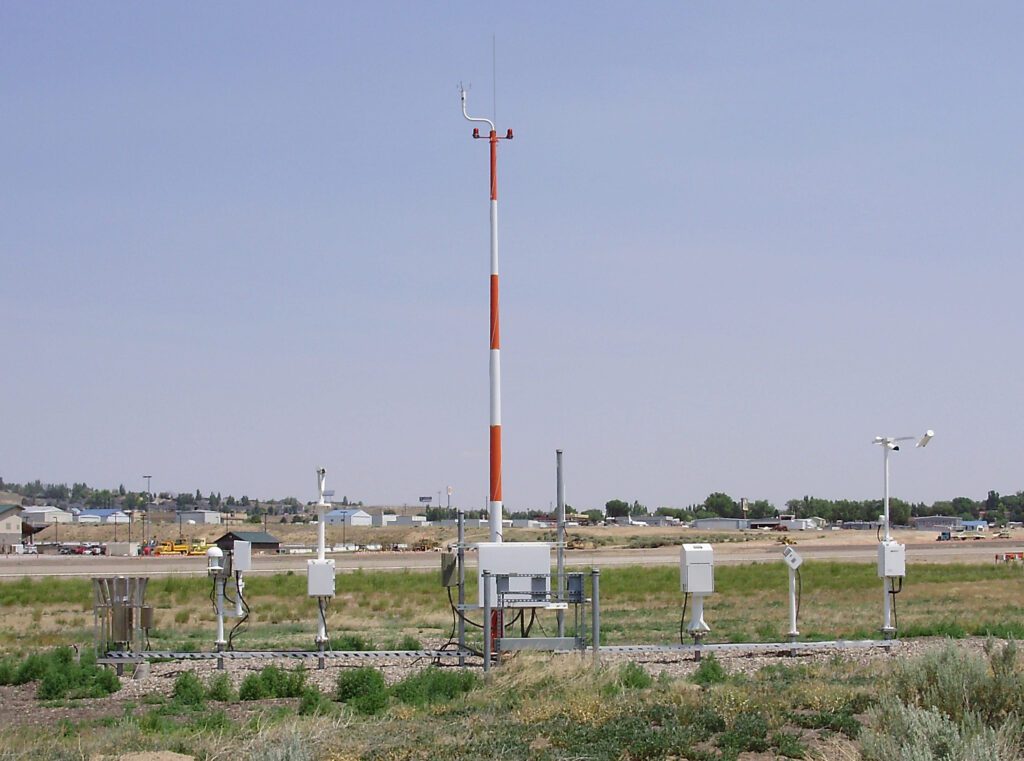
The North American market for automated weather observation systems (AWOS) is expected to reach US$ 358.1 Million by 2032, experiencing a CAGR of 6% across the 2022-2032 period of assessment, concludes a recently published market research report by Fact. MR. Over a trillion dollars are anticipated to be invested globally by 2032 to improve airport infrastructure. An estimated $5 Billion is expected to be spent solely on AWOS, offering a considerable scope of potential for existing and future AWOS solution providers to profit.
During the 2015-2021 historical period of assessment, a CAGR of 4% was documented, with the market closing at US$ 189 Million. Prospects declined considerably in the first half of 2020, and much of 2021, attributed to complete or partial suspension of air traffic, one of the primary end-users of automated weather observing systems, in the wake of COVID-19. Eventually, the lifting of lockdowns amid reducing infection rates has buoyed growth prospects considerably.
Furthermore, rising passenger safety concerns, desire for increased runway capacity and airport efficiency, as well as strategic re-alignment by major competitors, are expected to drive the market in a positive direction. Besides aerospace, the agriculture industry is also deploying automated weather observing systems, with farmers seeking to predict weather patterns and plan their products accordingly.
Key Takeaways from the Market Study
- Automated weather observing system market worth in North America to reach US$ 200 Million by 2022-end
- Market worth of automated weather observing systems to flourish 1.8x in North America
- By system type, portable AWOS to be most sought after, accelerating at a 6% CAGR
- By country, the U.S emerged as the primary revenue contributor, flourishing at a 6.3% CAGR
- By deployment location, commercial service airports to reign supreme, documenting a 6% growth rate
“Key providers’ dedicated efforts toward tailored services at stable costs will enhance AWOS installations shortly. This is bolstered further by expenditures in airport infrastructure development and growing concerns about passenger safety,” says a Fact.MR analyst
Competitive Landscape
Airport authorities evaluated industry experience as well as system vendors’ flexibility when selecting an AWOS vendor. Certifications, level of service, and maintenance frequencies have been listed as additional significant criteria to consider when choosing an AWOS vendor. The leading players in the AWOS market are Vaisala Inc., Optical Scientific, Inc., All Weather, Inc., Mesotech International, and Coastal Environmental Systems. These providers’ success has been built on long-term contracts with airport authorities through price stabilization and AWOS modification.
More Insights Available
Fact.MR, in its new offering, presents an unbiased analysis of the electrical steel market, presenting historical demand data (2015-2021) and forecast statistics from 2022 to 2032.
The study divulges essential insights on the market based on configuration (AWOS-A, AWOS-AV, AWOS-1, AWOS-2, AWOS-3, AWOS 3P, AWOS 3P/T, and AWOS-4), system type (standalone and portable), procurement model (tender/bidding process), and deployment location (military & defense airports, commercial service airports, cargo service airport, and heliports) across three countries (the U.S, Canada, and Mexico).
Fact.MR’s Domain Knowledge in Technology
Our ICT consulting team guides organizations at each step of their business strategy by helping you understand how the latest influencers account for operational and strategic transformation in the ICT sector. Our expertise in recognizing the challenges and trends impacting the global ICT industry provides indispensable insights and support – encasing a strategic perspective that helps you identify critical issues and devise appropriate solutions.
For more information, refer to our market research report or contact the Analyst.