Introduction
In the world of cryptocurrency, one term you will hear again and again is Proof of Work (PoW). If you are new to crypto, it may sound complex. But don’t worry. In this article, you will find Proof of Work (PoW) explained in simple words. This guide will break down each part step by step so anyone can understand it.
This article offers an in-depth PoW explanation while keeping the language clear and easy. By the end, you will know how Proof of Work works, why it matters, and why many cryptocurrencies use it.
Welcome to our PoW guide, also known as The Coin Analysis PoW explainer, where we make blockchain simple.
What Is Proof of Work (PoW)?
Proof of Work (PoW) is a system used by many cryptocurrencies to confirm transactions and keep the network secure. It is a type of “consensus mechanism.” A consensus mechanism is simply a method that helps everyone in a network agree on what is true.
PoW makes sure that all transactions are real and that no one cheats the system. It does this by requiring computers to solve hard math problems.
The first and most famous cryptocurrency to use PoW is Bitcoin. When Satoshi Nakamoto created Bitcoin in 2009, PoW was chosen to protect the network.
Why Is Proof of Work Important?
Proof of Work is important because it:
Prevents double spending (using the same coin twice)
Protects the network from hackers
Keeps the blockchain decentralized
Makes attacks very expensive
Without PoW, it would be easier for someone to change transaction records. PoW adds a strong layer of security.
How Proof of Work Works
Now let’s look at how Proof of Work works in simple steps.
Transactions Are Collected
When people send cryptocurrency, those transactions are grouped together into a block.
Miners Compete
Special computers called miners compete to solve a complex math puzzle. This puzzle is very hard to solve but easy to check.
Solving the Puzzle
Miners try different numbers very quickly. This process is called hashing. They keep guessing until they find the correct answer.
Block Is Added
The first miner to solve the puzzle shares the answer with the network. If the answer is correct, the block is added to the blockchain.
Miner Gets Reward
The winning miner receives a reward in cryptocurrency.
This whole process repeats every time a new block is created.
That is the basic idea of Proof of Work (PoW) explained in simple steps.
What Is Mining in PoW?
Mining is the process of solving the math puzzle in PoW. It requires powerful computers and a lot of electricity.
Miners use special hardware to perform millions or even billions of guesses per second. The more computing power a miner has, the better the chance of solving the puzzle first.
Mining serves two main purposes:
It creates new coins.
It secures the network.
What Is Hashing?
Hashing is the heart of PoW. A hash is a fixed-length string of letters and numbers created by a math function.
In Bitcoin, the SHA-256 hashing algorithm is used. This algorithm takes transaction data and turns it into a unique code.
If even one small detail changes, the hash changes completely. This makes it very secure.
Miners try to find a hash that starts with a certain number of zeros. Finding this correct hash takes time and computing power.
This is a key part of an in-depth PoW explanation.
Why Is Proof of Work Secure?
Proof of Work is secure because attacking it would cost a huge amount of money.
To take control of the network, someone would need more than 50% of the total computing power. This is called a 51% attack.
For large networks like Bitcoin, this would require billions of dollars in equipment and electricity. That makes attacks very unlikely.
PoW security is based on real-world costs. The more energy and hardware needed, the harder it is to cheat.
Advantages of Proof of Work
Here are the main benefits of PoW:
Strong Security
PoW has been tested for over a decade. It has protected Bitcoin successfully since 2009.
Decentralization
Anyone with the right equipment can become a miner.
Proven System
PoW is the first blockchain consensus system. It has a long history of working well.
In The Coin Analysis PoW explainer, we highlight that PoW’s biggest strength is its reliability.
Disadvantages of Proof of Work
While PoW is secure, it also has some downsides.
High Energy Use
Mining uses a lot of electricity. This has raised environmental concerns.
Expensive Equipment
Mining machines are costly and need regular upgrades.
Slower Transactions
PoW networks can process fewer transactions per second compared to some newer systems.
Because of these issues, some newer cryptocurrencies use different systems like Proof of Stake (PoS).
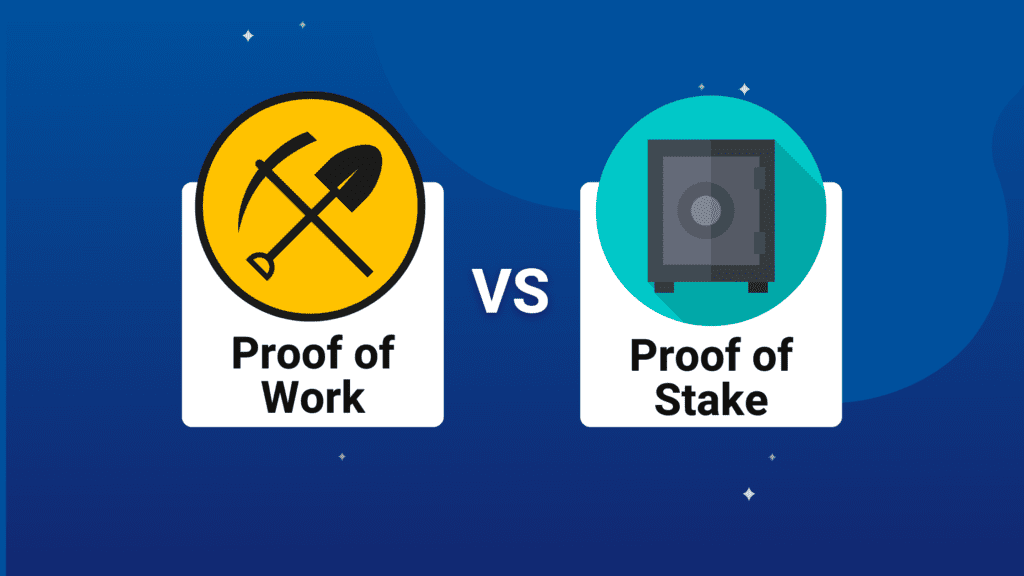
Proof of Work vs Proof of Stake
Proof of Stake (PoS) is another consensus method. Instead of solving puzzles, validators lock up coins as a guarantee.
In PoW:
Security comes from computing power.
In PoS:
Security comes from staked coins.
Both systems aim to secure the blockchain, but they work in different ways.
Still, when it comes to how Proof of Work works, the idea of solving hard puzzles remains central.
Real-World Example of PoW
Let’s imagine a classroom example.
The teacher asks students to solve a very hard math problem. The first student to solve it correctly gets a prize. Everyone can check the answer easily.
This is similar to PoW:
The problem is hard to solve.
The answer is easy to verify.
The winner gets rewarded.
That is the simple logic behind mining and block creation.
Is Proof of Work the Future?
Many experts believe PoW will continue to play a major role in crypto. It is trusted, secure, and battle-tested.
However, due to energy concerns, some projects are moving away from PoW. Still, Bitcoin remains the largest and most valuable cryptocurrency using this system.
In our PoW guide, we see PoW as the foundation of blockchain technology. Even if new systems grow, PoW will always be important in crypto history.
Common Myths About Proof of Work
PoW Is Easy to Hack
False. Large PoW networks are extremely difficult and expensive to attack.
Mining Creates Money From Nothing
Mining requires real resources like electricity and hardware.
PoW Is Obsolete
Many still consider PoW the most secure consensus method available.
Conclusion
Now you have seen Proof of Work (PoW) explained in clear and simple language. We provided an in-depth PoW explanation while keeping it easy to read.
You learned:
How Proof of Work works
Why mining is important
How hashing secures the network
The advantages and disadvantages of PoW
Through The Coin Analysis PoW explainer, we showed that PoW is more than just a technical term. It is the system that protects some of the world’s largest cryptocurrencies.
In our PoW guide, one thing is clear: Proof of Work is the backbone of Bitcoin and many other blockchain networks. It may use a lot of energy, but it has proven its strength over time.
Understanding PoW helps you better understand cryptocurrency itself. And now, you have a strong foundation to explore even deeper into the world of blockchain.