Introduction
Cooking is a daily activity in almost every household, but what many people don’t realize is how much it affects indoor air quality. Every time you fry, grill, or sauté food, the kitchen releases smoke, grease particles, steam, and strong odors into the air. Over time, these pollutants accumulate and reduce the freshness and safety of the indoor environment.
A range hood insert is designed to address this hidden problem by improving kitchen ventilation at the source. Instead of allowing smoke and grease to spread throughout the home, it captures them directly above the cooking surface. This helps maintain cleaner air and a more comfortable cooking environment.
In modern kitchen design, especially in compact homes and open layouts, proper airflow is no longer optional—it is essential. That is why ventilation solutions like a range hood insert have become an important part of healthy living spaces.
What Is a Range Hood Insert?
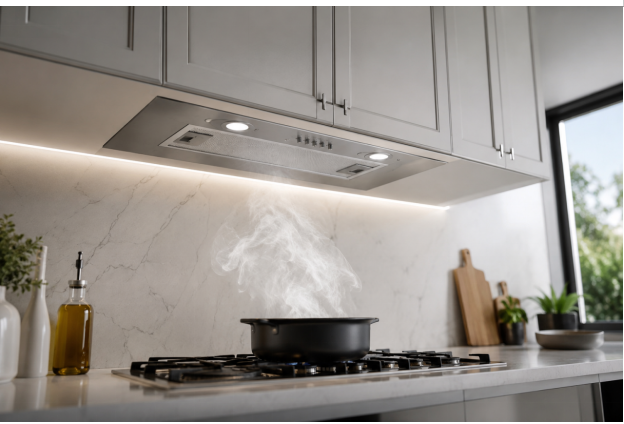
A range hood insert is a built-in ventilation system installed inside custom cabinetry above a cooktop. Unlike traditional bulky range hoods, it is hidden within the kitchen structure, making it a popular choice for modern interior design.
Despite its concealed appearance, it is a powerful air extraction system designed to remove smoke, grease, heat, and odors from the kitchen. It works either by venting air outside or filtering and recirculating it, depending on the installation setup.
This combination of performance and design flexibility makes it suitable for a wide range of kitchen styles. In modern kitchens where appliances like the Ciarra Nosh Oven are used, ventilation plays a key role in balancing heat and maintaining cooking efficiency.
Why Indoor Air Quality Matters in the Kitchen
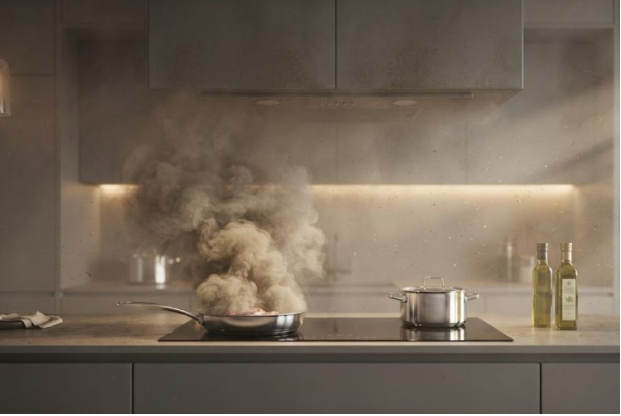
Indoor air quality is often overlooked, but it has a direct impact on health and comfort. Cooking produces fine airborne particles such as PM2.5, which are small enough to remain suspended in the air for long periods.
When these particles accumulate, they can lead to respiratory irritation, eye discomfort, and long-term exposure risks. Even everyday cooking activities like boiling or frying can significantly affect air purity.
Without proper ventilation, these pollutants spread beyond the kitchen and settle on furniture, walls, and fabrics. This not only affects cleanliness but also creates persistent odors that are difficult to remove.
Maintaining proper air circulation is therefore essential for a healthier home environment.
How a Range Hood Insert Improves Air Quality
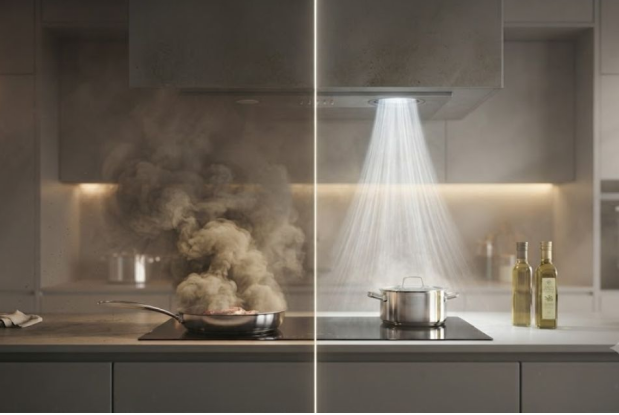
A range hood insert works by capturing airborne contaminants directly at the cooking source before they spread. This immediate extraction process is what makes it highly effective compared to general ventilation methods.
When activated, it pulls in smoke, grease particles, heat, and steam through a controlled airflow system. These pollutants are then filtered or expelled outside depending on the configuration. This significantly reduces indoor air contamination during cooking.
It also helps eliminate strong cooking odors quickly, preventing them from lingering in the kitchen or spreading into other rooms. This creates a fresher and more comfortable indoor environment.
Modern kitchen solutions from Ciarra Appliances are designed with this principle in mind—combining efficiency, safety, and design into one integrated system.
Key Features That Make a Range Hood Insert Effective
The performance of a range hood insert depends on several important technical factors. One of the most important is airflow strength, measured in CFM. Higher airflow means faster removal of smoke and heat.
Filtration is another critical factor. High-quality units use baffle, mesh, or charcoal filters to trap grease and neutralize odors effectively. These filters also help maintain long-term system efficiency.
Noise level is equally important in modern homes. Advanced systems are designed to operate quietly, ensuring that cooking remains comfortable and distraction-free. Proper installation and ducting also play a major role in performance quality.
In kitchens using modern appliances such as the Ciarra Nosh Oven, efficient ventilation ensures a balanced cooking environment where heat and airflow are properly controlled.
Range Hood Insert vs Traditional Range Hood
Both range hood inserts and traditional range hoods serve the same purpose—improving kitchen ventilation—but they differ significantly in design and functionality.
A range hood insert is hidden inside cabinetry, offering a clean and minimal look. Traditional range hoods, on the other hand, are visible and often serve as a design feature in themselves.
To understand the differences more clearly, here is a simple comparison:
Comparison Table
| Feature | Range Hood Insert | Traditional Range Hood |
| Design | Hidden inside cabinetry | Visible wall-mounted unit |
| Appearance | Minimal & seamless | More visible and bulky |
| Air Performance | High and customizable | Moderate to high |
| Installation | Requires planning | Easier setup |
| Kitchen Style Fit | Modern & luxury kitchens | Standard kitchen designs |
| Maintenance | Simple filter cleaning | Moderate maintenance |
| Noise Level | Generally quieter | Can be louder |
This comparison shows that while both options are effective, a range hood insert is often preferred in modern kitchen designs due to its flexibility and aesthetic integration.
Health Benefits of Better Kitchen Ventilation
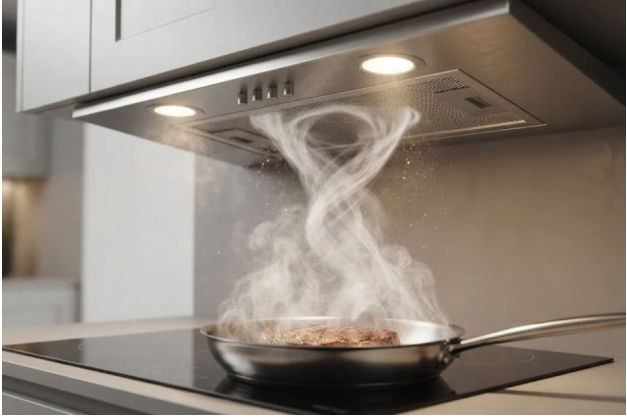
Proper kitchen ventilation significantly improves indoor air quality and reduces exposure to harmful cooking pollutants. Cleaner air helps reduce irritation in the eyes, throat, and lungs, especially for people who cook frequently.
Better airflow also reduces grease buildup on kitchen surfaces, making cleaning easier and improving hygiene. Over time, this contributes to a healthier and more comfortable home environment.
Some key health benefits include:
- Reduced exposure to smoke and airborne grease
- Improved respiratory comfort
- Less odor retention in the home
- Lower humidity and reduced mold risk
In modern households where cooking is a daily activity, brands like Ciarra Appliances emphasize ventilation as an essential part of kitchen safety and long-term well-being.
Installation and Maintenance Overview
Installing a range hood insert requires careful planning to ensure maximum performance. The position above the cooktop must be correctly measured so that suction power effectively captures rising smoke and steam.
There are two main installation types: ducted and ductless systems. Ducted systems vent air outside the home, while ductless systems filter and recirculate air. Each has its advantages depending on kitchen layout and structural limitations.
Regular maintenance is also important. Filters should be cleaned frequently to prevent grease buildup, which can reduce airflow efficiency. Proper maintenance ensures consistent performance and extends the lifespan of the system.
Common Mistakes People Make
One common mistake is choosing a range hood insert with insufficient airflow capacity for the size of the kitchen. This leads to poor smoke removal and reduced effectiveness.
Another mistake is incorrect installation height, which can weaken suction performance. Placement plays a major role in how efficiently the system captures pollutants.
Many users also neglect filter cleaning, which gradually reduces performance over time. Choosing the wrong ventilation type—ducted vs ductless—can also affect long-term results if not aligned with kitchen structure.
Who Should Consider a Range Hood Insert?
A range hood insert is ideal for homeowners who want a modern, clean kitchen design without sacrificing ventilation performance. It is especially useful in compact kitchens and open-plan living spaces.
It is also suitable for people who cook frequently and require strong odor and smoke control. In kitchens equipped with appliances like the Ciarra Nosh Oven, it helps maintain proper airflow balance during cooking.
Overall, it is a smart choice for anyone prioritizing both design and indoor air quality.
Conclusion
A range hood insert is a crucial part of modern kitchen design that directly improves indoor air quality and overall cooking comfort. By capturing smoke, grease, and odors at the source, it creates a cleaner and healthier environment.
As awareness of indoor air quality continues to grow, homeowners are increasingly prioritizing ventilation alongside cooking performance. Brands like Ciarra Appliances are leading this shift by offering solutions that combine efficiency, safety, and modern design.
Whether you are upgrading your kitchen or planning a new one, investing in proper ventilation ensures long-term comfort and better health for your household.
FAQs
1. What is a range hood insert used for?
A range hood insert is used to improve kitchen ventilation by removing smoke, grease, heat, and odors directly from the cooking area.
2. Does a range hood insert improve indoor air quality?
Yes, it significantly improves indoor air quality by capturing airborne pollutants at the source before they spread throughout the home.
3. What is the difference between ducted and ductless range hood inserts?
Ducted systems remove air outside the home, while ductless systems filter and recirculate air back into the kitchen after cleaning it.
4. How often should range hood filters be cleaned?
Most households should clean filters every 2–4 weeks depending on cooking frequency to maintain strong airflow and performance.
5. Is a range hood insert suitable for small kitchens?
Yes, it is ideal for small kitchens because it is built into cabinetry and provides strong ventilation without taking extra space.