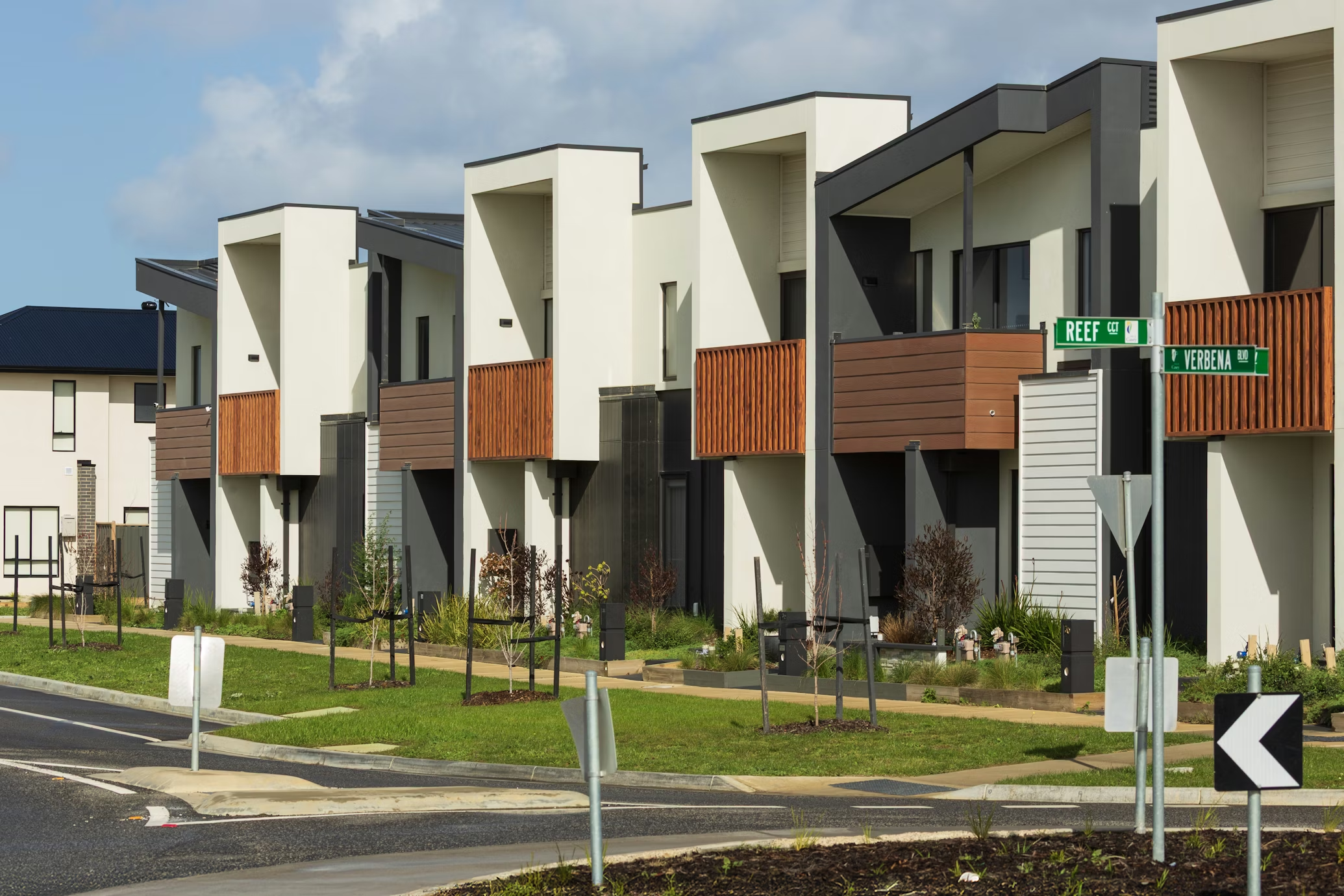
Living and cooperating in a community with shared spaces requires high skills of coordination so that all residents can experience a functional place to live. A professional manager is the communication channel between individual unit owners and the operational needs of the complex. This article looks at the seven most important things that will keep a shared residential property functional and operational.
Maintaining the Fabric of the Building
The most obvious responsibility is ensuring that the physical structure and all shared facilities are kept in excellent condition throughout the year. Expect the manager to organise regular cleaning, garden maintenance, and repairs for common areas like the lobby and car parks. If a pipe bursts in a shared wall or the roof begins to leak, it is the manager’s job to find a qualified tradesperson to fix the issue quickly.
Handling the Financial Affairs of the Owners Corporation
Managing the money for a large residential complex is a massive job that involves collecting levies, paying bills, and keeping accurate records for all owners. Every dollar spent must be accounted for to ensure transparency and to meet the legal requirements of the owners’ corporation’s financial reporting. When the finances are handled correctly, there is enough money in the bank to handle emergencies.
Navigating the Complexities of Insurance and Safety
Shared buildings are required by law to have types of insurance to protect the owners from financial loss. You should trust your manager to find the best policy that offers the right level of protection for the specific needs and risks of your building. This legal and safety oversight provides a vital shield for the owners, making sure the building is compliant with current government regulations at all times.
Enforcing the Model Rules and By-laws
To keep life peaceful in a shared building, there must be a clear set of rules that everyone agrees to. Look to the manager, like the strata management Melbourne experts, for instance, to communicate these rules clearly to all residents and to step in when someone is causing a disturbance. By acting as a neutral third party, the manager can resolve disputes without the owners needing to get into arguments.
Managing Extensive Record Keeping and Documentation
A well-run building produces a lot of paperwork, including meeting minutes or correspondence between owners. You will find that having a professional manager ensures that all these documents are stored safely and can be accessed easily whenever they are needed for a sale or a legal check. Good records are essential for proving that the building has been managed properly and ethically over many years.
Coordinating Regular Meetings and Communication
Effective management relies on clear and open communication between the owners’ corporation committee and the people who live in the units. Expect your manager to organise and chair the Annual General Meeting, where owners get to vote on important decisions. When communication is strong, misunderstandings are avoided, and the community can move forward with a shared vision.
Strategic Planning for Future Asset Improvements
A building is a long-term investment that needs to evolve to stay modern and attractive to future buyers and tenants. You can work with your manager to create a maintenance plan that looks ten or even fifteen years into the future to prepare for big tasks like lift upgrades or painting. That’s why planning for the future is the best way to ensure that your home remains a top-tier asset for many decades.
The Value of Professional Oversight
The responsibilities involved in managing a shared residential property are varied and require a high level of expertise in law, finance, and building maintenance. Remember that a well-managed property provides a much better lifestyle for the residents and a safer investment for the owners in the long term. When every responsibility is met with care, the community thrives and stays strong for years to come.