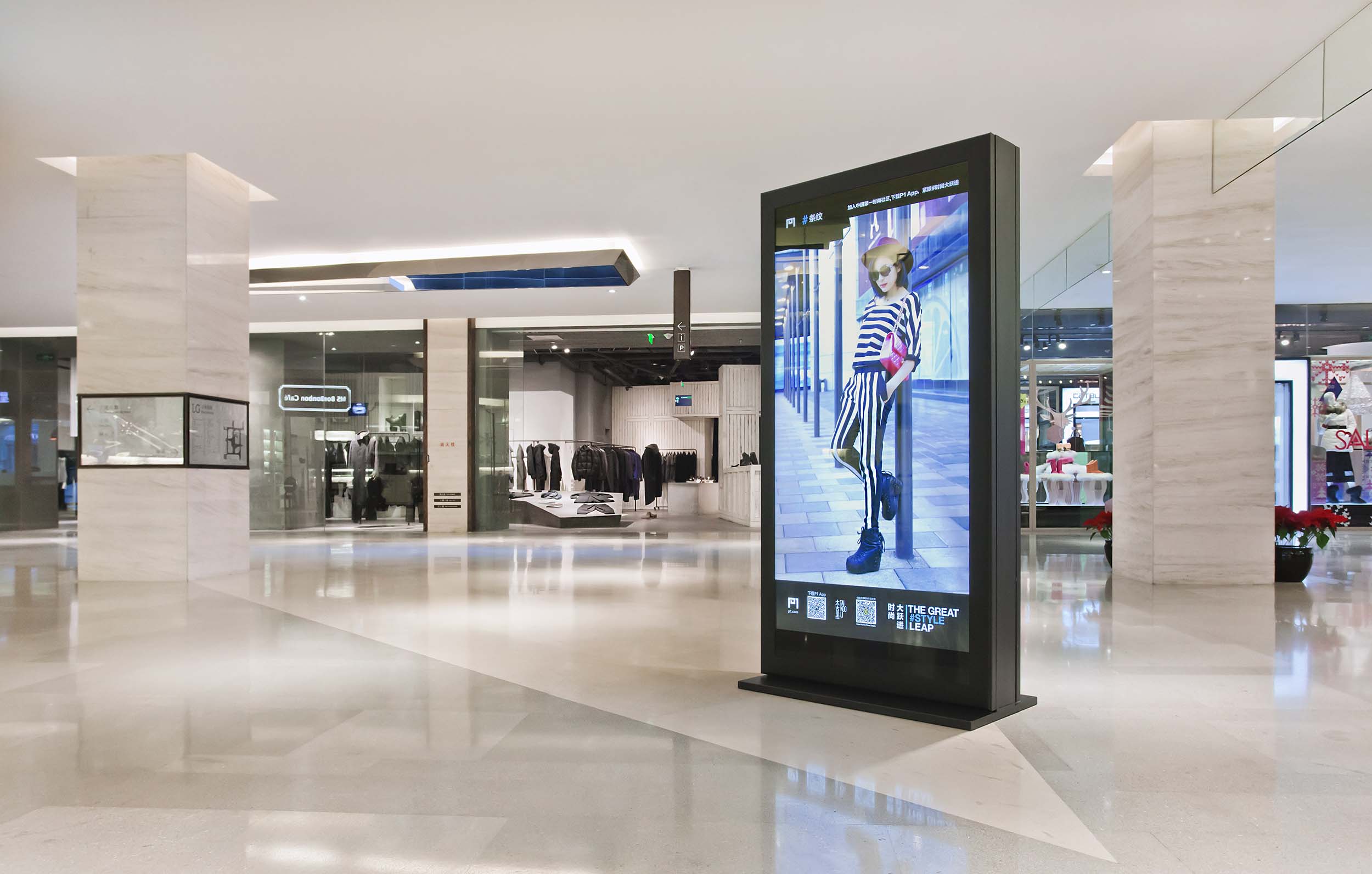
76% of consumers have entered a store they’d never visited before simply because a digital sign caught their eye. Let that sink in for a second.
That’s not some fluffy marketing stat. That’s foot traffic. That’s revenue. That’s the difference between a store that thrives and one that quietly closes its doors while the landlord finds a new tenant.
Yet here’s what kills me — most retailers who invest in digital signage still treat it like a glorified TV mounted on the wall. They throw up a slideshow of product photos, maybe rotate a few “SALE” graphics, and call it a day. Then they wonder why their ROI looks like a flatline on a heart monitor.
We’ve spent years watching retailers fumble this. And we’ve watched the ones who get it right absolutely dominate their competitors. The difference? Strategy. Let’s break it down.
The Retail Signage Problem Nobody Wants to Admit
68% of retail digital signage deployments fail to deliver measurable ROI within the first year. Not because the technology doesn’t work — but because retailers have no content strategy.
Think about it. You wouldn’t launch a social media presence without a content calendar. You wouldn’t build a website without thinking about user experience. But somehow, businesses drop $5,000-$15,000 on screens and mounts, then hand the content duties to whoever happens to be free on a Tuesday afternoon.
The result? Stale content. Irrelevant messaging. Screens playing the same loop for six months straight while customers develop what the industry calls “screen blindness” — they literally stop seeing your displays.
The retailers winning with digital signage treat every screen like prime advertising real estate. Because that’s exactly what it is.
What High-Performing Retailers Actually Do Differently
After analyzing hundreds of retail deployments, a clear pattern emerges among the top performers.
They rotate content every 2-3 weeks minimum. Not every quarter. Not when someone remembers. Every. Two. Weeks. The best operators rotate daily based on time of day, weather, and local events.
They use data to drive content decisions. POS data tells them what’s selling. Foot traffic data tells them when people are looking. Combining both creates a feedback loop that gets smarter over time.
They invest in cloud-based CMS platforms. Managing screens with USB sticks is like running payroll on paper. Cloud-based content management systems let you update 500 screens across 50 locations in under a minute. That’s not a luxury — it’s a competitive necessity.
Platforms like CrownTV have built their entire model around making this painless. Their cloud-based dashboard lets retailers manage everything from a single browser tab — no IT team required, no complicated hardware setup. It’s the kind of turnkey approach that separates professional deployments from DIY disasters.
The Numbers Don’t Lie: Why Digital Signage Is Eating Traditional Signage Alive
Let’s talk cold, hard numbers because this is where the conversation gets interesting.
Digital signage captures 400% more views than static displays. That’s not a typo. Four hundred percent. When a screen is moving, changing, and responding to its environment, human eyes can’t help but look.
$32.84 billion. That’s the projected global digital signage market by 2028. The compound annual growth rate sits at 8.1%, which tells you this isn’t a trend — it’s an industry transformation.
Retailers using digital menu boards see a 3-5% sales lift on average. Quick-service restaurants report even higher — some hitting 8-12% increases by implementing dayparting (changing menus based on time of day).
The ROI math is brutally simple: a single screen costing $150-250/month generates enough incremental revenue to pay for itself within 60-90 days. After that, it’s pure profit contribution.
Pro Tip: Start With One Screen, Not Fifty
Here’s the advice nobody in the signage industry wants to give you because it means a smaller initial sale:
Start with a single screen in your highest-traffic location. Test content types. Measure dwell time. Track conversion rates. Learn what resonates with YOUR specific customers.
Then scale. By the time you’re deploying screens in every location, you’ll have a proven content playbook instead of expensive guesswork.
The retailers that go all-in from day one almost always end up with 30 screens showing mediocre content. The ones that start small and iterate end up with 30 screens showing content that prints money.
Content Types That Actually Drive Sales (Ranked)
- Dynamic pricing and flash promotions. Nothing creates urgency like a countdown timer on a limited-time offer. Digital signage makes this possible in real-time — something static signs literally cannot do.
- Social proof walls. Displaying live social media feeds, customer reviews, and user-generated content. This turns your customers into your marketing team. Studies show social proof increases purchase intent by 15-20%.
- Wayfinding and interactive directories. Especially in larger retail spaces. When customers can find what they need quickly, basket size increases. It’s that simple.
- Educational product content. Short videos explaining product features, comparison charts, how-to demonstrations. This is particularly effective for higher-ticket items where customers need justification for the spend.
- Employee-facing operational displays. Don’t forget back-of-house. Real-time KPI dashboards, shift schedules, and safety reminders improve operational efficiency by 20-25%. Your employees see these screens all day — use that.
The Hardware Trap: Why the Screen Is the Least Important Decision
Every retailer’s first question is: “What screen should I buy?” It should be the last question they ask.
The screen is maybe 20% of a successful deployment. The other 80% is content management software, content creation, network infrastructure, and ongoing support. Getting a $3,000 commercial display but running it on a $50 media player with no CMS is like buying a Ferrari and filling it with cooking oil.
Commercial-grade displays matter. Consumer TVs die in commercial environments — they’re not rated for 16-18 hour daily operation, they don’t have the brightness for ambient light conditions, and they lack the ports and management capabilities you need. Samsung, LG, and a handful of other manufacturers make purpose-built commercial displays for a reason.
But the screen is still just a canvas. What you put on that canvas — and how efficiently you manage it — is what determines your ROI.
Where Retail Digital Signage Is Headed in 2026-2027
AI-powered content personalization is the next frontier. Imagine screens that detect demographics (not individuals — aggregate demographics) and adjust messaging in real-time. A screen near the cosmetics section showing different content when the audience skews younger vs. older. This technology exists today. It’s just waiting for retailers to adopt it.
Integration with mobile. QR codes on screens that push personalized offers to shoppers’ phones. Near-field communication triggering content changes when loyalty members are nearby. The physical and digital retail experience is merging, and digital signage is the connective tissue.
Sustainability messaging. Digital signage eliminates the waste of printed materials. Forward-thinking retailers are using this as part of their sustainability narrative — and customers are responding. 73% of millennials say they’d pay more from a brand that demonstrates environmental responsibility.
The bottom line: digital signage isn’t a nice-to-have for retailers anymore. It’s as essential as lighting, as fundamental as your POS system. The retailers that understand this are already winning. The ones that don’t? They’re running out of time.