Why Partial Loads Can Be More Expensive Than Empty Space

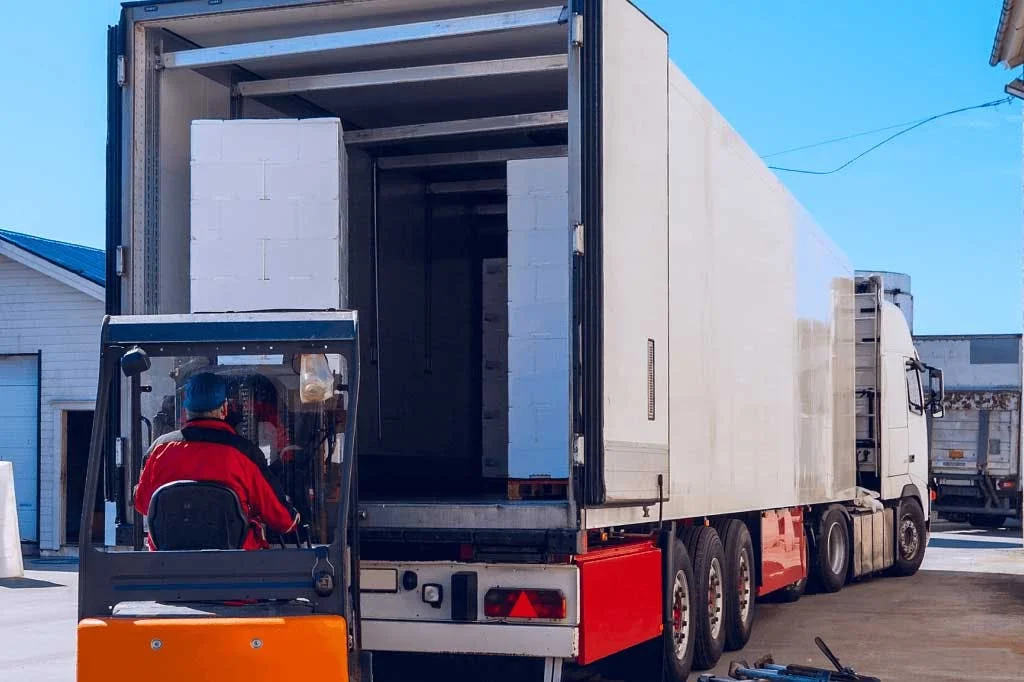
Here’s something that trips up a lot of shippers: paying more for a half-full truck than for one running empty. Sounds backward, right? But the hidden economics of logistics make this counterintuitive reality very real partial loads generate inefficiencies that dwarf the cost of moving cargo-free. Grasping this can genuinely change how businesses approach shipping strategy and supply chain decisions.
1. The Cost Per Unit Problem
A truck carrying 30 percent of its capacity is an expensive proposition. Fixed costs — fuel, driver wages, maintenance — don’t shrink just because the load does. They get divided among far fewer items instead, and each unit bears a heavier share of the burden. Consider: a truck costing $800 to run for a day hauls 10,000 units at 8 cents each when full. Cut that to 5,000 units and the per-unit cost jumps to 16 cents. Just like that, doubled. Companies like new and used shipping containers supplier Tradecorp USA understand this well partial loads aren’t a neutral choice. They’re an economic drag.
2. Inefficient Route Planning and Scheduling
Partial loads throw a wrench into route optimization. Dispatchers still map delivery routes, coordinate pickups, and manage driver schedules — none of that effort shrinks with the cargo. Fewer deliveries per trip means higher overhead absorbed per unit. A truck running at 40 percent capacity can’t consolidate multiple customer orders the way a full truck can. So what happens? Wasted fuel. Wasted hours. Unnecessary wear spread across fewer shipments. Strategic transportation planners know partial loads erode the very efficiencies that make full-truckload shipping worth doing in the first place.
3. Storage and Handling Complications
While waiting to accumulate enough cargo to fill a vehicle, shippers often park partial loads in warehouses. That holding period isn’t free. Rent, climate control, labor, inventory tracking — all of it keeps ticking. And that floor space still consumes resources whether it’s generating revenue or not. Bulk handling becomes impossible too; each item in a partial load needs individual processing. Some businesses tackle this by staging cargo on-site, and those sourcing flexible container capacity find it easier to batch shipments into full loads before they ever touch a truck.
4. Empty Space Still Requires Infrastructure
An empty truck isn’t free to operate. But the nature of those costs differs sharply from partial-load scenarios. A truck deadheading back to its origin after a delivery is repositioning — a calculated move within a larger logistics network. Large carriers factor this in. But a truck making three partial-load runs instead of one full run? That multiplies repositioning costs across multiple journeys. The fuel, driver time, and infrastructure required to move a half-full truck are nearly identical to moving a full one. That’s the problem. The partial load pays similar costs for a fraction of the output.
5. Market Pressure and Pricing Dynamics
Freight companies price partial loads higher than empty repositioning — deliberately. It offsets economic inefficiency and nudges customers toward consolidation or longer delivery windows. When a carrier accepts a partial load, that remaining unused space is gone. Another customer’s shipment can’t fill it. That forfeited revenue has to come from somewhere, and it comes from the shipper who booked partial. The pricing isn’t arbitrary; it’s a signal. One that tells businesses: consolidate your orders, or absorb the penalty. Most shippers who understand this math choose consolidation.
Conclusion
Partial loads costing more than empty space isn’t a quirk. It’s basic logistics economics. Fixed costs punish small volumes. Inefficient routing reduces deliveries per trip. Extended storage stacks overhead onto shipments that can’t justify it. An empty truck, by contrast, is repositioning within a strategy — its costs serve a purpose. Shippers who internalize these realities make smarter calls about consolidation timing, carrier selection, and delivery windows. Partial loads often deliver the worst of both worlds: real costs, diminished efficiency. Adjusting supply chain strategy to avoid them — or at least minimize them — is almost always worth the effort.