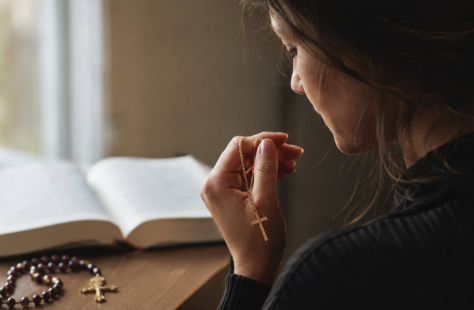
Jewelry has always been about more than decoration.
A ring can represent commitment. A watch may mark an important achievement. A necklace can preserve the memory of a person, a place, or a significant moment in someone’s life.
Among these symbolic pieces, few designs have endured as long as the cross necklace.
For centuries, crosses have been worn as expressions of Christian faith, but their role in jewelry has continued to evolve. Today, cross necklaces exist in an enormous variety of styles, from traditional crucifixes and understated sterling silver pendants to contemporary gold designs set with gemstones.
What has remained constant is their ability to combine personal meaning with everyday wearability.
Jewelry Is Becoming More Personal
Modern consumers increasingly look for products that tell a story.
This is particularly visible in the jewelry industry. While aesthetics remain important, buyers often want pieces associated with identity, relationships, memories, beliefs, or milestones.
Symbolic jewelry fits naturally into this trend.
Initial necklaces can represent family members. Birthstones connect a piece with a particular month or person. Lockets preserve photographs and memories. Religious jewelry provides another layer of meaning because the symbol itself already carries centuries of cultural and spiritual significance.
The cross is perhaps the clearest example.
Even a very simple cross pendant can represent faith, hope, sacrifice, remembrance, protection, family tradition, or a connection to someone’s Christian upbringing.
That emotional dimension can make the piece feel more personal than jewelry selected purely for its appearance.
Why the Cross Has Such Lasting Symbolism
The cross is one of the world’s most recognizable religious symbols.
For Christians, it recalls the crucifixion of Jesus Christ and the central message of sacrifice, redemption, and resurrection within Christianity.
That gives cross jewelry a meaning that goes far beyond its shape.
Many people wear a cross as a daily reminder of their faith. Others associate it with family traditions or important religious milestones such as baptism, First Communion, or Confirmation.
There is also an important distinction between a cross and a crucifix.
A cross normally consists of the familiar intersecting vertical and horizontal beams, while a crucifix includes the figure of Christ upon the cross. Catholic jewelry has traditionally made extensive use of crucifixes, while simple crosses are common across many Christian denominations.
Both designs remain widely worn today.
From Traditional Religious Jewelry to Contemporary Design
One reason cross necklaces have remained relevant is the extraordinary variety of interpretations available.
Traditional designs remain popular, but jewelry designers have also adapted the symbol to different materials, styles, and audiences.
Common variations include:
- minimalist sterling silver crosses;
- yellow, white, or rose gold pendants;
- diamond or gemstone-set crosses;
- Celtic-inspired designs;
- crucifix necklaces;
- vintage and antique-style crosses;
- engraved pendants;
- delicate designs intended for everyday wear;
- larger statement pieces.
This variety allows people to choose jewelry that reflects both their beliefs and their personal style.
Someone who rarely wears jewelry might prefer a small silver pendant, while another buyer may choose an elaborate gemstone cross designed to be visible as part of an outfit.
Contemporary jewelry brands such as Crystia Jewelry demonstrate how the traditional cross can be interpreted through different materials, shapes, and modern jewelry styles while retaining the symbolism that made the design meaningful in the first place.
The combination of established symbolism and modern design is a major reason the category continues to appeal to new generations.
Cross Necklaces Work Particularly Well as Gifts
Symbolic jewelry also has an advantage when it comes to gifting.
Buying jewelry for another person can be difficult because style is highly personal. A meaningful symbol provides the gift with an additional reason for being chosen.
Cross necklaces are therefore commonly given for occasions including:
- baptisms;
- First Communion;
- Confirmation;
- weddings;
- anniversaries;
- graduations;
- birthdays;
- becoming a parent or godparent;
- significant life changes;
- memorial occasions.
The significance often comes from the story surrounding the piece rather than its monetary value.
A simple cross given by a grandparent at Confirmation, for example, may eventually become far more emotionally valuable than a more expensive piece of jewelry purchased without a particular meaning.
This is also why religious jewelry is frequently passed between generations.
Jewelry Can Become Part of Family History
Some pieces of jewelry gradually become family objects.
They may begin as ordinary purchases but acquire meaning through years of use.
A necklace worn by a parent can later remind a child of that person’s faith and personality. A crucifix received at First Communion may still be worn decades later. A cross passed from a grandparent to a grandchild can connect several generations through one small object.
This emotional accumulation is difficult to reproduce with products designed primarily around short-lived fashion trends.
Jewelry with strong symbolism can therefore have an unusually long life cycle.
Its design may remain relevant because its value does not depend entirely on what happens to be fashionable during a particular season.
Materials Matter for Everyday Jewelry
Because many people wear cross necklaces regularly, practical considerations are important as well.
Sterling silver remains popular because it offers a relatively accessible price point while working well with both casual and formal clothing.
Gold provides greater resistance to tarnishing and is often selected for milestone gifts or jewelry intended to last for generations.
Stainless steel has also become popular for affordable everyday pieces, particularly when durability is a priority.
Gemstones and diamonds can transform a simple cross into a more decorative piece while preserving the original symbolism.
The chain matters too.
A lightweight pendant may work well with a delicate chain, while larger crosses generally require something stronger. Chain length also changes the overall appearance of the piece and determines whether the pendant sits close to the collarbone or lower on the chest.
These small design decisions make it possible for the same basic symbol to work across very different jewelry styles.
Meaningful Jewelry Does Not Have to Be Expensive
One of the interesting characteristics of symbolic jewelry is that emotional value and retail price are not necessarily connected.
A luxury gold and diamond cross may become an heirloom, but a modest silver necklace given during an important moment can carry just as much significance.
The meaning often comes from three things:
the symbol itself, the person who gave the piece, and the memories associated with wearing it.
This creates room within the market for everything from accessible everyday jewelry to high-end fine jewelry.
It also explains why cross designs appear across such a broad range of brands and price points.
A Symbol That Moves Easily Between Faith and Fashion
Religious jewelry occupies an interesting position because it can simultaneously function as a personal symbol and an aesthetic object.
Someone may choose a beautifully designed cross precisely because of its Christian meaning. Appreciating the craftsmanship does not necessarily diminish the religious significance.
Historically, Christianity itself has a long artistic tradition involving architecture, sculpture, painting, metalwork, stained glass, and elaborate sacred objects.
Jewelry is simply another way in which traditional symbolism can interact with design.
The important distinction for many wearers is intention.
For one person, a cross necklace may primarily complement an outfit. For another, putting it on each morning can be a small expression of faith. For many people, it is both.
Why Cross Jewelry Is Likely to Endure
Jewelry trends change constantly.
Materials become fashionable, chain styles evolve, new gemstone cuts appear, and social media can turn particular designs into global trends almost overnight.
The cross has survived all of those changes.
Its longevity comes from the fact that the underlying symbol existed long before the modern jewelry industry.
Designers can reinterpret it, reduce it to a minimalist outline, cover it with diamonds, produce it in gold or silver, or incorporate it into entirely new styles.
But the basic meaning remains recognizable.
That gives cross jewelry something many fashion products lack: continuity.
A necklace purchased today can still make sense decades from now because its appeal is not entirely dependent on contemporary trends.
For millions of people, it can represent faith.
For others, family.
For others still, a particular person or moment in their life.
That is ultimately why the cross continues to occupy such a distinctive place in jewelry.
It is small enough to wear every day, adaptable enough to work across generations and styles, and meaningful enough to become much more than an accessory.