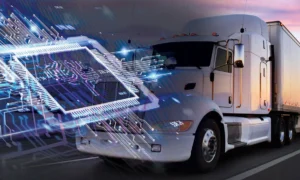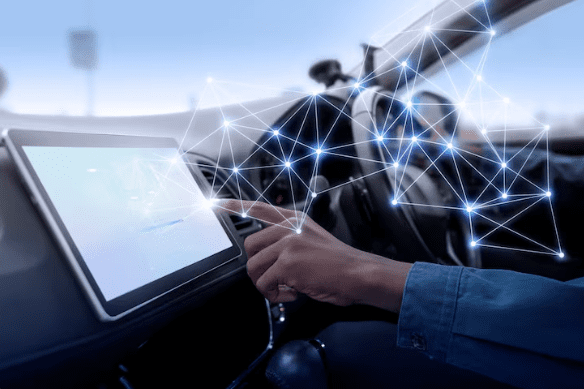
Digital technology has transformed transportation systems across the world. Vehicles now generate large volumes of data through sensors, onboard computers, telematics devices, and connected infrastructure. This information allows analysts, manufacturers, and transportation planners to observe patterns that were previously invisible. Instead of relying only on manual reports or delayed statistics, organizations can study driving behavior, infrastructure performance, and traffic conditions through real time information.
Companies across the mobility sector increasingly rely on data analysis to improve efficiency and safety. Insurance firms analyze driving patterns, logistics companies examine route data, and software developers create platforms that integrate information from thousands of vehicles at once. These systems offer insights about congestion, infrastructure stress points, and human driving behavior. As transportation networks become more connected, the value of reliable information grows and organizations begin to notice patterns that reveal where risk tends to appear within modern road systems.
When Data Analysis Highlights Patterns Behind Car Accidents
Large transportation datasets often reveal patterns that explain why certain areas experience repeated incidents. Analysts studying traffic behavior frequently identify correlations between congestion, road design, driver fatigue, and environmental conditions. According to www.accidentlawyerelite.com, when a car accident occurs, investigators now review vehicle telemetry, traffic camera footage, and digital mapping data to reconstruct the situation with greater accuracy than traditional reporting methods allowed. This information improves the reliability of post incident assessments and allows researchers to study patterns over time.
Technology companies that process transportation data increasingly collaborate with insurance providers and infrastructure planners. Their goal is to identify trends linked to frequent car accident occurrences across urban and highway environments. By comparing thousands of similar situations, analysts can detect variables that contribute to incidents such as sudden braking zones, poorly synchronized traffic lights, or inconsistent road markings. These insights allow organizations to design predictive models that highlight areas where risks appear more often.
The Growing Role of Connected Vehicle Systems
Connected vehicle technology has expanded rapidly during the past decade. Modern vehicles often communicate with cloud platforms that collect performance information, diagnostic alerts, and operational data. This continuous communication creates a network where transportation behavior becomes measurable in ways that were impossible a generation ago. Manufacturers use this data to refine engineering decisions and improve future vehicle designs.
Fleet operators also benefit from connected systems. Logistics companies track driver performance, fuel efficiency, and route conditions across entire fleets. When combined with traffic analytics, these platforms reveal operational patterns that help companies reduce delays and improve scheduling accuracy. As vehicles exchange information with digital infrastructure, the transportation sector gains a clearer view of how vehicles move through complex road environments and how certain conditions increase operational risk.
Artificial Intelligence in Transportation Risk Analysis
Artificial intelligence has become an essential tool for analyzing transportation data. Machine learning models process enormous datasets containing traffic flow information, vehicle telemetry, weather records, and infrastructure details. These models identify patterns that humans might overlook when reviewing large volumes of information manually. By recognizing correlations between conditions and incidents, predictive systems provide early warnings about potential risk zones.
Many urban planning teams now rely on predictive modeling when evaluating transportation improvements. AI driven platforms simulate traffic conditions under different scenarios and evaluate how changes in road design or traffic signals influence driver behavior. This analytical approach helps planners make evidence based decisions about infrastructure investments. Instead of relying on limited observations, they can test how modifications might affect thousands of simulated vehicle movements before any physical construction begins.
Digital Infrastructure Supporting Safer Mobility
Transportation safety no longer depends only on road design and vehicle engineering. Digital infrastructure now plays a central role in monitoring and responding to transportation conditions. Smart traffic signals adjust timing based on congestion levels, while sensor networks monitor road surfaces and weather conditions. These systems communicate with centralized platforms that analyze incoming data and recommend operational adjustments.
Technology companies continue to expand platforms that integrate information from vehicles, road sensors, and public safety databases. When combined, these datasets create a comprehensive view of transportation networks across cities and highways. Analysts use this information to evaluate how infrastructure performance affects driver behavior and traffic stability. Over time, the accumulation of accurate data improves strategic planning across both public and private sectors.
As smart infrastructure becomes more common, transportation authorities gain the ability to respond faster to changing road conditions. Integrated systems collect information from multiple sources at once, including weather sensors, traffic cameras, and connected vehicles. This coordinated flow of information allows traffic management centers to detect irregular patterns early and adjust signals or issue warnings that reduce congestion and unexpected disruptions across busy corridors.
Data Transparency and the Future of Mobility
As transportation technology evolves, transparency around mobility data will become increasingly important. Governments, technology firms, and research institutions already collaborate on large scale datasets that examine transportation behavior across entire regions. These partnerships allow researchers to compare urban design strategies and determine which approaches improve mobility outcomes. Reliable information allows decision makers to prioritize investments where they have the greatest benefit.
The future of transportation will rely heavily on the ability to interpret complex datasets responsibly. Autonomous systems, connected infrastructure, and digital insurance models all depend on accurate insights about how vehicles interact with their environment. As mobility networks expand and technology advances, the ability to analyze transportation data will remain central to building safer and more efficient road systems.
Public access to certain transportation data also encourages broader collaboration between private developers, city planners, and research institutions. When datasets become available for analysis, universities and independent research teams can examine transportation trends from different perspectives. This broader participation supports innovation in predictive modeling, infrastructure planning, and mobility services that depend on reliable information about how transportation systems operate in real world conditions.