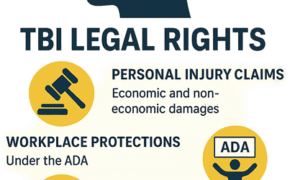
Accidents at work come out of the blue, with employees left in pain and uncertainty about their job and their legal options. You have to protect yourselves in reporting the work injury so that you can humanely secure your health, income, and future. Although the law protects injured workers in vital ways, many workers fear speaking up, fearing retribution or job loss.
In the days or weeks after anything happens, you need to act fast and cautiously. Letting your manager know about the mishap as soon as possible will make sure that it is formally documented. This initial step is highly crucial for making sure you can obtain benefits and for keeping track of what happens when. If you don’t know how to accomplish anything or what the law says about you, you can always click here to locate reliable sources that will go over all of your alternatives in depth.
Immediate Medical Care And Documentation
Your health should always come first once you notify someone about an accident at work. Seeing a doctor not only ensures you receive the correct treatment, but it also keeps a record of what happened. This documentation is extremely crucial when you make a claim for workers’ compensation. Reports from physicians, drugs, and doctors’ advice all assist in making a solid case.
Employees should be able to obtain the medical treatment they need without having to wait too long. Companies usually have to pay for workers’ medical fees if they injure someone on the job. If you have any concerns, keeping copies of all your medical paperwork and invoices can help you maintain track of your treatment and support your claim.
Understanding Workers’ Compensation Benefits
The purpose of workers’ compensation is to provide money to workers who are injured on the job. Most of the time, these benefits cover the expenses of treatment, hospital stays, and missed income. Knowing what you can get may help you not miss out on vital aid.
Depending on how terrible your accident is, you may be eligible to obtain unemployment benefits for a short time or for the rest of your life. While you rehabilitate, temporary benefits may help you make up for lost income. If your injury keeps you from working for a long period, you may be eligible to get permanent benefits. Knowing the difference might help you figure out how to keep your money steady as you get healthy.
Protection Against Employer Retaliation
One of the most fundamental rights that workers have is the right not to be penalised for their labour. Most of the time, workers who report an accident or ask for money back can’t be fired or punished by their boss. If you utilise your rights, you shouldn’t be demoted, have your hours slashed, or be treated unjustly.
But you should realise that businesses may still make solid decisions that don’t have anything to do with your disability. If you suspect that negative things occurred to you because of your injury report, writing down what happened and talking to a lawyer will help you decide what to do next.
The Importance Of Accurate Communication
Clearly, and consistently communicating with your manager should be a practice maintained throughout the process. Make sure to follow the company policy, completing the paperwork, and submitting everything on time after you report your injury to your boss. If you do not do these things you claim may take more time or be more difficult to process.
Workers may ask questions and gain more information if they have to. If anything seems unclear be sure to ask for more details. Take the initiative to be proactive that way you will not be too focused on your problem.
Returning To Work Safely
Your manager could chat to you about going back to work when you get stronger. Most of the time, this implies altering your hours or duties to match your needs. You should be able to go back to work in a safe setting that doesn’t make your illness worse.
If your doctor instructs you to do something, your employer should do it too. If you perform work that your doctor instructs you not to, you might damage yourself more and make it harder for you to get well. Always put your health first and do what a doctor instructs you to do.
When To Seek Legal Guidance?
Most of the time, people can manage their own work injury cases without any complications, but occasionally they require aid. If your claim is denied, your benefits are delayed, or you are treated unjustly, talking to a lawyer may help you safeguard your rights.
If you have a dispute, lawyers can help you get through tough situations, make sure all of your documentation is in order, and watch out for your best interests. You can stop little issues from growing worse if you receive care right away.
Final Thoughts
Being aware of your rights-following a workplace accident puts you in a position to take control of your recovery and secure your future. Accessing medical care; accessing financial assistance; ensuring equitable treatment, all contribute to your health. Just keep an eye on everything, keep a strong record and communicate with one another and you can be assured it will go well. Knowing your rights at work will not put you through such trouble by yourself in the case of accidents.