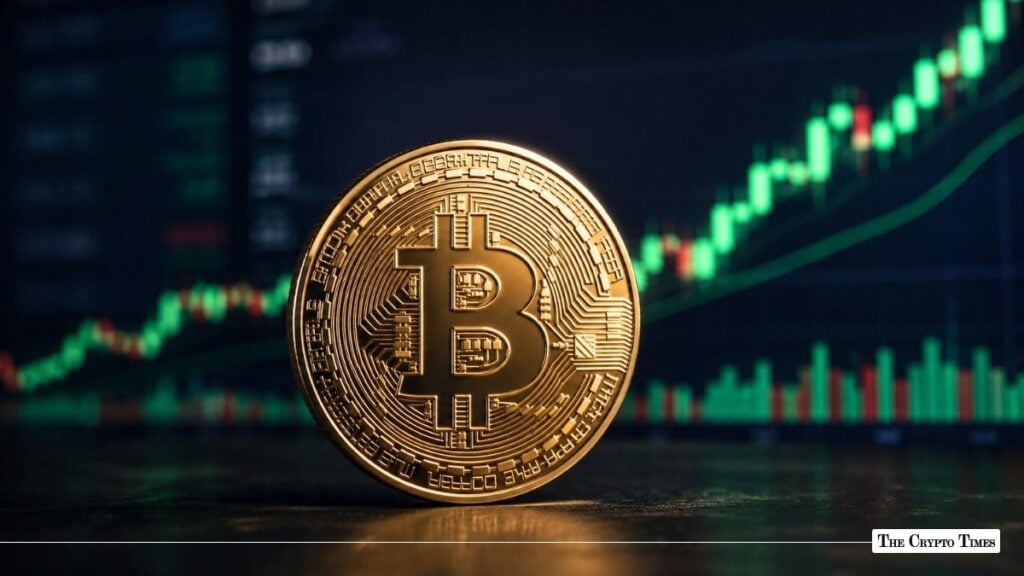
The global financial landscape is currently undergoing a shift as digital assets move from the periphery of the economy into the mainstream. At the heart of this transformation is the most prominent cryptocurrency, which has become a focal point for investors, policymakers, and technologists alike. Tracking the Bitcoin price has become a daily routine for many, not just because of the potential for financial gain, but because these fluctuations serve as a barometer for the broader health and adoption of the digital economy. Understanding why these price trends matter requires a look at how decentralized finance interacts with traditional systems and how public perception of value is changing.
In the early days of digital currency, price movements were often dismissed as speculative noise. However, as institutional interest has grown, the narrative has shifted significantly. Large corporations and financial institutions now view these assets as a legitimate hedge against inflation or a way to diversify a portfolio. When the market value of the leading cryptocurrency rises or falls, it often triggers a ripple effect across other digital assets, influencing the entire ecosystem. This interconnectedness means that even those who do not directly own digital currency are impacted by its performance through its influence on tech stocks and venture capital flows.
One of the primary drivers of price trends is the concept of scarcity. Unlike traditional fiat currencies that can be printed by central banks, the total supply of this digital asset is hard capped. This deflationary pressure is a core part of its appeal. As more people enter the market, the fixed supply often leads to significant price appreciation. Investors watch these trends closely to determine the best entry points, often relying on historical data to predict future cycles. The transparency of the blockchain allows everyone to see exactly how much is being moved and where, providing a level of insight that is rarely available in traditional banking.
Beyond simple supply and demand, regulatory news plays a massive role in shaping market sentiment. When a major economy announces a friendly framework for digital assets, the market typically reacts positively. Conversely, talk of bans or heavy restrictions can lead to rapid sell-offs. These trends are important because they reflect the ongoing negotiation between decentralized technology and state authority. The price often acts as a real-time vote of confidence in the future of financial sovereignty and the feasibility of a borderless payment system.
The technology behind these assets is also evolving, which in turn influences their economic value. Improvements in transaction speed and security make the network more useful for everyday commerce. As utility increases, the underlying value typically follows. This is why many analysts look past the daily volatility to focus on the long-term growth of the network. They see the price not just as a number, but as a reflection of the trust that millions of people place in a system that operates without a central intermediary.
For the average consumer, these trends are increasingly relevant as more services integrate digital payments. From online retailers to peer-to-peer lending platforms, the infrastructure of the digital economy is being built on the foundation of blockchain technology. As these systems become more user-friendly, the barrier to entry drops, leading to higher adoption rates. This cycle of adoption and price appreciation is a hallmark of the digital age, where network effects can drive value at an unprecedented pace.
The role of media and social sentiment cannot be ignored either. In today’s hyper-connected world, a single viral post or a high-profile endorsement can send prices surging. While this volatility can be daunting, it also highlights the democratic nature of the digital economy. Value is no longer determined solely by a small group of bankers in a boardroom; instead, it is a reflection of collective global interest. This shift represents a fundamental change in how humanity defines and transfers wealth.
As we look toward the future, the significance of these price trends will only grow. We are moving toward a world where digital and physical assets are increasingly intertwined. Whether it is through the tokenization of real estate or the use of smart contracts for legal agreements, the principles established by the first cryptocurrency are being applied everywhere. Monitoring the market is about more than just checking a balance; it is about staying informed on the evolution of money itself. The digital economy is no longer a futuristic concept—it is the reality we are living in, and its primary currency is the heartbeat of that new world.