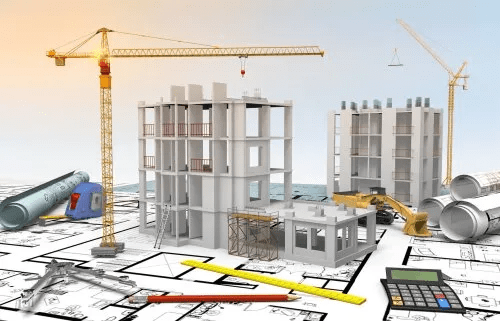
Structural engineering design services play a central role in shaping the built environment, ensuring that buildings and infrastructure are safe, functional, and durable. From residential homes to large-scale commercial developments, these services focus on the planning, analysis, and design of load-bearing structures. By applying principles of physics, mathematics, and material science, structural engineers create frameworks that can withstand environmental forces and everyday use.
The Core Principles of Structural Design
At the heart of structural engineering is the need to balance strength, stability, and efficiency. Every structure must be capable of supporting its own weight, as well as any additional loads such as occupants, furniture, wind, and snow. Structural engineering design services involve calculating these loads and determining how they are transferred safely to the ground.
Engineers must also consider factors such as material behaviour, safety margins, and compliance with building regulations. Different materials, including steel, concrete, timber, and masonry, each have unique properties that influence how they perform under stress. Selecting the appropriate material is a key part of the design process.
Key Components of Structural Engineering Design Services
Structural engineering design services typically cover several stages of a project. The initial phase involves concept design, where engineers collaborate with architects and other stakeholders to develop a feasible structural system. This stage sets the foundation for the entire project, ensuring that the proposed design is both practical and efficient.
The next stage is detailed design, where precise calculations and technical drawings are produced. Engineers analyse load paths, structural integrity, and potential points of failure. Advanced software tools are often used to simulate real-world conditions and refine the design.
Another important component is site inspection and assessment. Structural engineers may evaluate existing buildings to determine their condition, identify defects, or assess their suitability for renovation or extension. This ensures that any modifications are carried out safely.
The Importance of Safety and Compliance
Safety is a fundamental aspect of structural engineering design services. Engineers must adhere to strict building codes and standards, which are designed to protect occupants and the public. These regulations vary depending on location but generally cover aspects such as load capacity, fire resistance, and structural stability.
Risk assessment is also a crucial part of the process. Engineers evaluate potential hazards, including extreme weather events, seismic activity, and long-term wear and tear. By anticipating these risks, they can design structures that remain safe over time.
Integration with Other Disciplines
Structural engineering design services do not operate in isolation. They are closely integrated with other disciplines such as architecture, civil engineering, and construction management. Effective communication between these fields is essential to ensure that the final structure meets both aesthetic and functional requirements.
For example, an architect may propose a visually striking design, but it is the structural engineer’s role to determine how that design can be realised safely. This often involves innovative solutions and careful coordination throughout the project lifecycle.
Technological Advancements in Structural Design
Modern structural engineering design services have been significantly enhanced by technological advancements. Computer-aided design (CAD) software and building information modelling (BIM) allow engineers to create detailed 3D models of structures. These tools improve accuracy, reduce errors, and facilitate better collaboration among project teams.
In addition, simulation software enables engineers to test how structures will perform under various conditions. This helps identify potential issues before construction begins, saving time and resources.
Sustainability is another area where technology has had a major impact. Engineers are increasingly focusing on designing structures that minimise environmental impact. This includes optimising material use, reducing waste, and incorporating energy-efficient solutions.
Applications Across Different Sectors
Structural engineering design services are used across a wide range of sectors. In residential construction, they ensure that homes are safe and comfortable. In commercial projects, they support the development of offices, retail spaces, and industrial facilities.
Infrastructure projects, such as bridges, tunnels, and transport systems, also rely heavily on structural engineering. These projects often involve complex challenges, requiring advanced analysis and innovative design approaches.
Conclusion
Structural engineering design services are essential to the development of safe and reliable structures. By combining technical expertise with careful planning and analysis, structural engineers ensure that buildings and infrastructure can withstand the demands placed upon them. As technology continues to evolve, these services will remain a critical part of modern construction, supporting the creation of structures that are both functional and resilient.