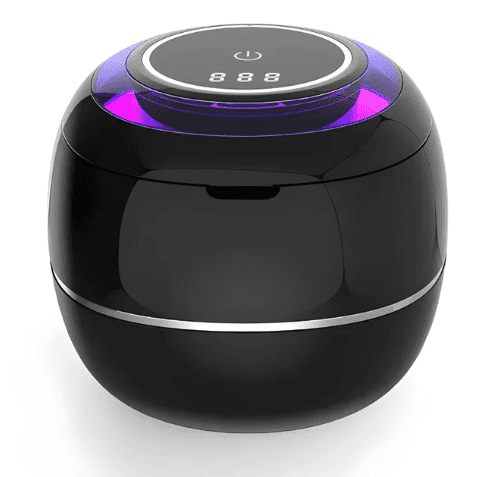
Keeping your retainer, aligner, or night guard clean is essential for healthy teeth and fresh breath. Traditional brushing and rinsing often miss tiny crevices where bacteria and plaque hide. That’s where an ultrasonic retainer cleaner comes in—it uses gentle high-frequency vibrations to remove dirt, bacteria, and biofilm more effectively than manual cleaning.
Who Can Benefit from an Ultrasonic Retainer Cleaner
Anyone wearing orthodontic appliances can benefit. If you use clear aligners like Invisalign or Hawley retainers, ultrasonic cleaners prevent cloudiness, discoloration, and odor. Night guard users also gain from deeper cleaning since their guards collect bacteria overnight. Even denture wearers will notice a cleaner, fresher appliance without scrubbing.
These cleaners are especially helpful for busy people or those with limited dexterity. A simple one-touch cycle cleans appliances in just a few minutes, saving time and effort while ensuring thorough hygiene.
Why You Should Clean Your Retainer Daily
Daily cleaning is more than cosmetic—it protects your oral health. Bacteria on your retainer can cause bad breath, plaque buildup, and even gum irritation or cavities. Keeping your appliance clean also maintains its shape and fit, extending its lifespan. Regular use of an ultrasonic cleaner ensures your retainer stays fresh, odor-free, and safe for daily wear.
Neglecting your retainer can also transfer bacteria to your teeth, increasing the risk of cavities and gum problems. For people prone to sensitive gums or oral infections, using an ultrasonic cleaner can prevent discomfort and long-term damage.
How Ultrasonic Retainer Cleaners Work
Ultrasonic cleaners use sound waves to create millions of microscopic bubbles in a water solution. These bubbles implode quickly, producing energy that scrubs every tiny corner of your appliance. Unlike brushing, this process reaches deep crevices without damaging delicate plastic or acrylic.
This cavitation process not only removes plaque and bacteria but also helps lift stains caused by coffee, tea, or food. The result is a thorough, gentle clean in just a few minutes, without any scrubbing effort.
Key Features to Look For
When choosing a cleaner, focus on:
- Frequency: Devices with 40,000–45,000 Hz effectively remove bacteria and plaque.
- Tank Size: Ensure it fits your appliance fully—usually 200 mL or more.
- Material: Stainless steel tanks last longer and resist corrosion.
- Additional Features: UV light for extra sterilization, digital timers, one-touch operation, and automatic shut-off improve convenience and safety.
- Portability and Noise: Compact, quiet devices are easier to use daily or while traveling.
- Cleaning Basket: Helps protect your appliance and prevents it from touching the tank bottom directly.
Investing in a device with these features ensures a long-lasting, convenient, and effective cleaning experience.
Benefits of Using an Ultrasonic Retainer Cleaner
- Deep Cleaning: Removes bacteria and plaque from areas a toothbrush can’t reach.
- Gentle on Appliances: No scratches, warping, or wear on delicate materials.
- Time-Saving: Most cycles finish in 3–5 minutes.
- Versatile: Can clean retainers, night guards, dentures, aligners, and even small personal items like jewelry.
- Hygienic: Reduces odor and keeps appliances safe for oral health.
Using an ultrasonic cleaner regularly can also prevent stains from building up, keeping clear aligners completely transparent. For night guards, this reduces unpleasant odors that develop overnight.
Common Mistakes to Avoid
- Avoid using hot water—it can warp plastic retainers.
- Don’t scrub with toothpaste or hard brushes; they can scratch delicate surfaces.
- Skip harsh chemicals; mild soap or specialized cleaning tablets work best.
- Don’t leave your retainer out unprotected; always use a case when not in use.
Following these precautions ensures your appliance remains effective and lasts longer.
Best Practices for Optimal Cleaning
- Daily Light Clean: Rinse or brush your appliance gently before using the ultrasonic cleaner.
- Weekly Deep Clean: Use effervescent cleaning tablets or a 1:1 white vinegar and water solution in the ultrasonic cleaner
- Combine Methods: A combination of manual brushing for surface debris and ultrasonic cleaning for crevices works best.
- Regular Checks: Inspect your retainer for cracks, warping, or discoloration and replace it if necessary.
FAQ: Ultrasonic Retainer Cleaner
Q1: Can ultrasonic cleaners damage my retainer?
No, when used properly. Devices are designed to be gentle on plastic and acrylic appliances. Avoid hot water or harsh chemicals.
Q2: How long does a cleaning cycle take?
Most units complete a full clean in 3–10 minutes, depending on the device and cleaning mode.
Q3: Can I use it for other items?
Yes, many cleaners can sanitize dentures, night guards, jewelry, or eyeglasses, but always check the manufacturer’s instructions.
Q4: Do I need cleaning tablets?
Tablets enhance sanitation, but plain water with mild soap works for regular cleaning. UV-light models provide extra sterilization without tablets.
Read More From Techbullion