Fluctuating demand is one of those things that sounds manageable in theory. But, in reality, it can throw everything off balance. One minute, orders are flying in and you’re doing everything you can to keep up. The next, it’s gone quiet and you’re left wondering if you over did it.
It’s a bit of a constant juggling act – and if you get it wrong, the impact shows up quickly. It can affect cash flow, staff workload, storage space, and even day-to-day decision-making in ways that aren’t obvious at first.
Inefficient Production Planning
This is usually where things begin to wobble. When demand isn’t steady, planning ahead becomes tricky. You’re trying to make smart decisions without really knowing what’s coming next. It’s easy to end up producing too much and watching it sit there, or too little and scrambling to catch up.
Most businesses learn the hard way that there’s no perfect forecast. Life would be much easier if there was. What helps more is staying adaptable. Instead of locking in long production runs, it’s often better to keep things a little looser so you can adjust as you go.
Checking in on your numbers regularly – even week to week – can give you a clearer picture than relying on big, long-term projections. And having solid relationships with suppliers means you’re not stuck if things suddenly pick up.
Stockouts and Lost Sales
Then there’s the classic problem: running out of stock at exactly the wrong time. It’s frustrating because it often happens when demand is strongest – when you should be making the most of it. Instead, you’re left apologizing or turning people away.
The instinct might be to overstock everything to avoid that situation, but that creates a difference set of problems in the supply chain. A better approach is knowing your products – what sells consistently, what spikes occasionally, and what tends to sit. Keeping a bit of extra stock for your bestsellers can help smooth things out.
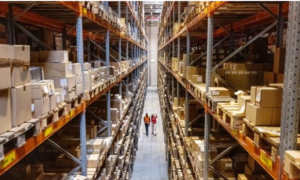
Some businesses also lean on contract warehousing to handle those busier periods. Doing so gives them extra space when they need it without committing to it long term. This is great for effort, time, and costs.
Reduced Customer Satisfaction
All of this feeds into how customers experience your business. They don’t see the behind-the-scenes challenges – they just notice when something goes wrong. A delayed order or an out-of-stock message might seem small, but it can be enough to push someone to try a competitor next time.
That’s why communication matters more than people sometimes realize. If there’s a delay, saying so early on makes all the difference. If something’s unavailable, offering an alternative helps. It’s not about being perfect – it’s about being responsive and easy to deal with. Most customers are understanding, as long as they’re not left in the dark.
To conclude, fluctuating demand isn’t going anywhere. It’s part of the reality of doing business. But it doesn’t have to feel chaotic. Following the advice mentioned in this post ensures it becomes a lot more manageable – and a lot less stressful.