Muscle strains remain one of the most common soft tissue injuries among athletes, workers, and active individuals. Sudden movements, excessive physical load, poor conditioning, and repetitive stress can stretch muscle fibers beyond their capacity. Damage within the muscle tissue leads to pain, swelling, stiffness, and reduced mobility. Healing requires more than simple rest because injured muscles need guided rehabilitation to regain normal strength and function. Physical therapy plays an important role in muscle strain recovery by supporting tissue repair, restoring flexibility, strengthening the injured area, and reducing the risk of recurring injury.
Recovery without proper rehabilitation often leads to lingering weakness and limited movement. Professional therapy programs combine clinical assessment, therapeutic exercises, and functional training that help the body recover in a controlled and safe manner. Structured care helps patients return to normal daily activities, work duties, and sports performance with improved confidence. Patients seeking expert guidance for muscle injury rehabilitation can rely on professional programs offered by CC Physiotherapy to ensure safe and effective recovery.
Understanding Muscle Strains
Muscle strain refers to injury within the muscle fibers or the tendon that connects muscle to bone. Overstretching or sudden contraction places excessive tension on muscle tissue. Fibers may stretch beyond their normal range or tear partially or completely.
Medical professionals categorize muscle strains into three levels based on severity. Mild strain involves small fiber damage with minimal strength loss and mild discomfort. Moderate strain includes partial tearing of muscle fibers that causes swelling, weakness, and reduced range of motion. Severe strain occurs when the muscle or tendon tears significantly, which results in major pain, visible swelling, and limited ability to move the affected limb.
Common symptoms include localized pain, tenderness, swelling, muscle tightness, weakness, and difficulty performing regular movements. Bruising and muscle spasms may appear as the injury progresses. Proper evaluation helps determine the grade of injury and the best treatment approach.
Common Causes of Muscle Strain Injuries
Excessive physical activity often leads to muscle strain injuries. Athletes experience these injuries during sports that require sprinting, jumping, or rapid direction changes. Poor warm up routines and muscle fatigue increase the likelihood of tissue damage.
Improper lifting techniques also contribute to muscle strain. Heavy objects placed under sudden load can stretch muscles beyond their limit. Repetitive tasks performed during work activities may gradually weaken muscle fibers and create vulnerability to injury.
Limited flexibility, poor posture, and muscle imbalance place additional stress on certain muscle groups. Individuals with inadequate conditioning face a higher risk because their muscles lack the strength and endurance required for demanding movements.
Why Physical Therapy Matters in Muscle Strain Recovery
Physical therapy provides structured care that helps injured muscles heal correctly. Therapists evaluate the affected area and design treatment plans based on injury severity, patient activity level, and functional goals.
Guided rehabilitation supports each stage of the healing process. Initial therapy focuses on reducing pain and inflammation. Later phases introduce mobility exercises, strengthening routines, and functional training that restore muscle performance.
Professional supervision prevents excessive stress on healing tissue. Controlled rehabilitation promotes steady recovery while reducing the chance of reinjury.
Clinical Assessment and Personalized Treatment Planning
Recovery begins with a detailed evaluation of the injured muscle. Physical therapists assess pain levels, swelling, flexibility, strength, and range of motion. Movement patterns and posture are also examined to identify factors that contributed to the injury.
Individualized treatment plans are created based on the findings of this assessment. Personalized care allows therapy programs to address specific limitations and recovery goals. Structured rehabilitation adapts gradually as the patient improves.
Careful monitoring during treatment allows therapists to modify exercises and techniques according to progress. This approach provides safe and effective recovery guidance.
Pain Management and Early Healing
Pain and inflammation develop soon after muscle injury. Physical therapy includes several techniques that reduce discomfort while supporting the natural healing response.
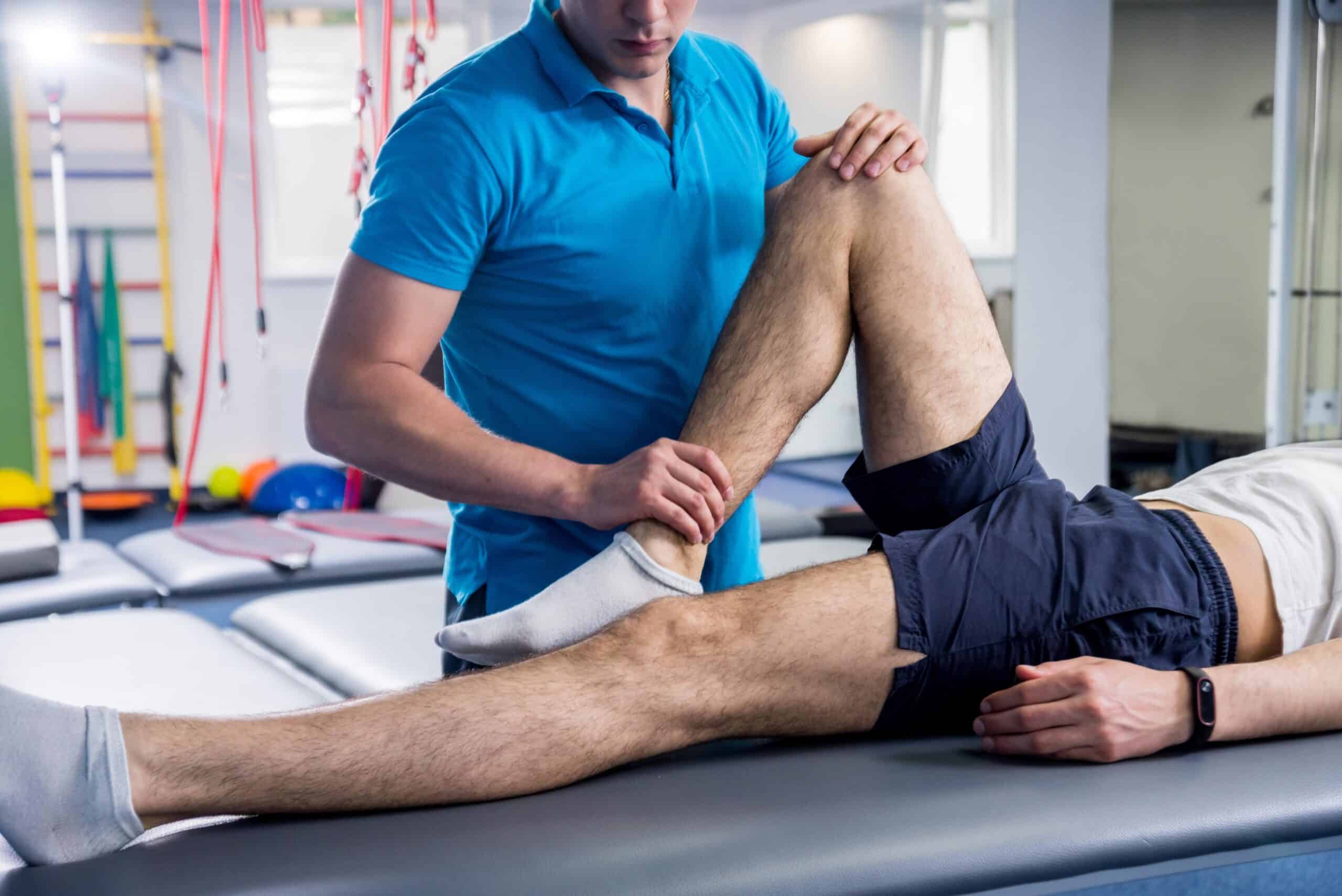
Manual therapy plays an important role during early treatment. Gentle hands-on techniques help relax surrounding muscles and improve circulation in the injured area. Increased blood flow provides oxygen and nutrients that support tissue repair.
Therapeutic exercises introduced during the early stages involve light movement and controlled muscle activation. Gentle activity prevents stiffness while allowing injured fibers to recover.
Improved circulation also helps remove metabolic waste and inflammatory substances from damaged tissue. Reduced swelling allows patients to begin mobility exercises sooner.
Restoring Flexibility and Range of Motion
Muscle strains often cause stiffness around the injured area. Pain and protective muscle tension limit movement, which can affect normal physical function. Reduced flexibility may interfere with walking, lifting, or athletic performance.
Physical therapy introduces stretching techniques designed to restore muscle elasticity. Gentle stretching begins once the acute pain stage subsides. Therapists guide patients through safe movements that lengthen the muscle without creating further damage.
Range of motion exercises involve controlled joint movement that gradually increases mobility. Repeated practice allows muscles and surrounding tissues to adapt to normal movement patterns.
Consistent flexibility training helps prevent scar tissue from restricting motion. Improved mobility supports balanced muscle function and reduces stress on adjacent joints.
Strengthening Muscles After Injury
Muscle weakness commonly develops after a strain because injured tissue cannot perform normal activities during the early healing phase. Strength rebuilding becomes a major goal of rehabilitation.
Therapeutic exercise programs introduce progressive strengthening techniques that activate muscle fibers gradually. Early stages include low resistance movements that restore neuromuscular connection with minimal strain.
Later phases involve resistance training using body weight exercises, resistance bands, or controlled weight training. Strengthening exercises target both the injured muscle and the surrounding muscle groups.
Eccentric strengthening exercises are often used during rehabilitation. This type of movement requires the muscle to lengthen while under tension. Clinical research indicates that eccentric training improves muscle strength and supports tissue remodeling after strain injuries.
Balanced strength between muscle groups supports joint stability and functional movement. Restored muscle power allows patients to return to physical activity with reduced injury risk.
Improving Movement Patterns and Functional Mobility
Muscle injuries frequently lead to compensation patterns. The body attempts to avoid pain by shifting movement to other muscles and joints. These compensations can create new strain on surrounding tissues.
Physical therapy focuses on correcting these movement patterns through functional training. Therapists analyze walking patterns, lifting mechanics, and sports movements to identify abnormal motion.
Rehabilitation exercises retrain the body to move efficiently. Coordination drills improve muscle timing and control. Balance training helps restore stability during dynamic movement.
Functional training prepares patients for real-world activities such as climbing stairs, bending, reaching, and lifting. Improved coordination allows muscles to work together smoothly during daily tasks.
Gradual Return to Daily Activity and Sports
Returning to full activity too quickly may delay healing or cause reinjury. Physical therapy provides a step-by-step progression that prepares muscles for increasing physical demands.
Early recovery stages emphasize pain control and gentle mobility. Intermediate phases focus on strength development and flexibility. Advanced stages introduce sport-specific movements or work-related tasks.
Therapists evaluate muscle strength, flexibility, and movement quality before allowing patients to return to demanding activities. Structured progression protects healing tissue while rebuilding endurance and coordination.
Patients regain confidence in their physical abilities through gradual exposure to normal movement patterns. Controlled progression supports long-term recovery and improved performance.
Preventing Future Muscle Strains
Injury prevention forms an important part of physical therapy. Education about proper body mechanics and muscle conditioning helps reduce the likelihood of repeated strain injuries.
Warm-up routines prepare muscles for activity by increasing blood flow and flexibility. Strength training supports balanced muscle development and joint stability. Stretching programs improve elasticity and movement efficiency.
Posture awareness and ergonomic adjustments help individuals perform tasks safely at work and during daily activities. Proper lifting techniques reduce unnecessary stress on muscles and tendons.
Consistent physical conditioning and recovery habits protect muscle health over time. Patients who follow preventive exercise programs often experience fewer injuries and better physical performance.
Long-Term Benefits of Physical Therapy for Muscle Health
Physical therapy provides lasting improvements beyond immediate injury recovery. Patients who complete rehabilitation programs often experience better muscle strength, flexibility, and coordination.
Improved physical conditioning supports healthy movement throughout daily life. Muscles become more resilient when they receive proper training and balanced activity.
Education received during therapy helps individuals recognize early signs of muscle fatigue or strain. Early response to discomfort can prevent minor injuries from becoming serious problems.
Long-term muscle health depends on regular exercise, balanced movement patterns, and proper recovery practices. Physical therapy provides the knowledge and guidance needed to maintain strong and functional muscles.
Conclusion
Muscle strain recovery requires structured rehabilitation that addresses pain, flexibility, strength, and functional movement. Physical therapy plays a vital role in this process by guiding patients through safe and effective treatment stages. Professional therapy programs support natural healing while restoring muscle performance and preventing future injuries.
Successful rehabilitation allows individuals to return to daily routines, work responsibilities, and athletic activities with confidence. Consistent participation in therapy combined with proper conditioning helps maintain long-term muscle health and physical mobility.