As companies around the world shift toward hybrid work models and digital-first operations, workspace innovation has become a top priority. Yet amidst discussions about AI-powered tools, cloud collaboration, and automation, one crucial element often gets overlooked: the physical environment where all this digital productivity takes place.
Ergonomics is entering a new era—one where mobility, stability, and accessibility merge into smarter furniture design. And leading this shift is a surprisingly impactful upgrade: office chairs with brakes and locking casters.
This may sound like a small detail, but for millions of professionals, creators, and remote workers, it is quickly becoming a must-have for safety, efficiency, and long-term health.
Why Mobility Control Matters in Modern Workspaces
For decades, office chairs were designed to move freely. Rolling casters made sense for large offices where people moved between desks, filing cabinets, or co-working areas. But today’s work habits are different:
- Remote professionals sit longer and require higher ergonomic precision.
- Creators and tech workers need stability during focus-heavy tasks.
- Hybrid workers use home floors—like hardwood or tile—that make rolling chairs harder to control.
- People with mobility challenges, disabilities, or fatigue require chairs that support secure transitions.
Uncontrolled movement isn’t just inconvenient—it can impact posture, reduce productivity, and increase the risk of falls or strain injuries.
This is why locking systems are the next evolution of ergonomic seating.
Key Benefits of Office Chairs With Brakes and Locking Casters
1. Precision Stability for High-Focus Work
Developers, analysts, engineers, editors, and designers all depend on stillness during critical tasks. Locking casters prevent the chair from sliding unexpectedly, allowing users to maintain proper posture and alignment.
2. Improved Safety for Transfers and Movement
For users with reduced balance or mobility, a chair that moves uncontrollably can be hazardous. A braking system ensures the chair stays grounded during sitting, standing, or repositioning.
3. Enhanced Ergonomic Performance
Stable seating makes it easier to maintain alignment with monitors, keyboards, and desk surfaces—reducing strain on the back, neck, and shoulders.
4. Adaptability Across Modern Environments
Whether you work in a home office, corporate setting, studio, or healthcare facility, controlled mobility supports a wider range of tasks and flooring types.
5. Hybrid Work Compatibility
Rolling when you need movement; locking when you need focus. It’s the ideal balance for today’s flexible workflows.
A Real-World Example: Intelligent Mobility Seating
As demand grows, innovative companies are engineering chairs that merge mobility with stability in seamless, user-friendly ways.
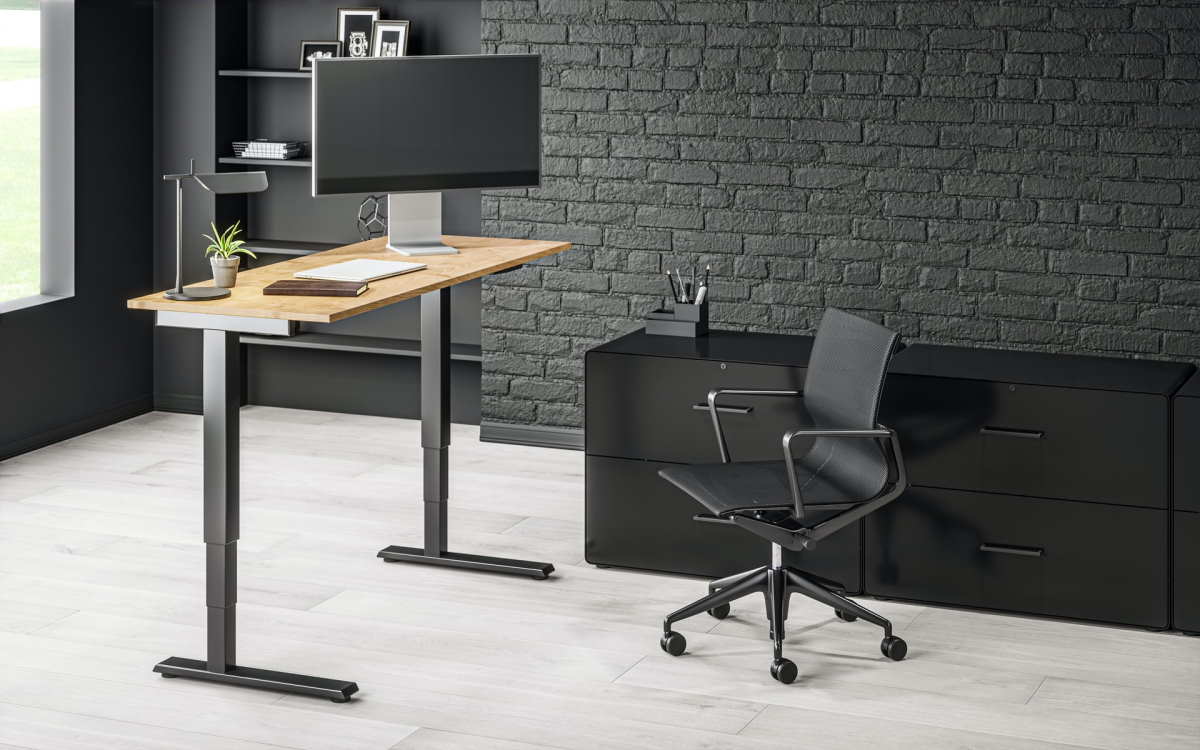
One standout example is the mobility-enhanced office seating from VELA. Their office chairs with brakes and locking casters offer a unique combination of ergonomic engineering, Scandinavian design, and medical-grade stability.
These chairs include:
- A central brake system for instant stability
- Smooth-rolling casters for frictionless movement when needed
- Adjustable seat height for standing-desk or standard-desk setups
- Ergonomic support designed for long hours of seated work
- Optional armrests for added safety and comfort
Unlike typical office chairs, VELA’s designs are widely used in healthcare, rehabilitation, and hybrid workplaces—showing how essential controlled mobility has become across industries.
How Controlled Mobility Improves Productivity
A chair that unexpectedly rolls backward can disrupt concentration, interrupt creative flow, or even cause micro-injuries that impact performance over time.
But when users can lock their chair into position:
- typing becomes more stable
- posture becomes more consistent
- focus improves
- energy is conserved
- task transitions feel smoother
For entrepreneurs, developers, executives, and remote workers who spend hours in deep work, these improvements compound into measurable gains.
In a productivity-driven economy, even seemingly small ergonomic upgrades create outsized impact.
Accessible Design Meets High-Performance Workflows
TechBullion readers understand that innovation is most powerful when it meets real-world needs. Locking-wheel chairs support:
- People with mobility impairments
- Aging professionals
- Individuals recovering from injury
- Users with balance issues
- Anyone seeking safer, more controlled seating
They represent a crucial intersection of inclusive design and high-efficiency performance—an area gaining significant momentum across the global workplace.
The Future of Office Seating Is Hybrid, Flexible, and Safe
As work continues to evolve, seating must evolve with it. The next generation of ergonomic furniture won’t just adjust height or tilt—it will adapt dynamically to user needs in real time.
Office chairs with locking wheels and casters mark the beginning of this shift. They provide the stability of stationary seating when required, and the mobility of rolling chairs when movement enhances workflow.
In other words, they bridge the gap between traditional office ergonomics and the demands of future work environments.
Read More From Techbullion