Introduction to Insulation and Its Importance
Insulation plays a critical role in maintaining comfortable indoor temperatures, improving energy efficiency, and reducing utility costs in both residential and commercial properties. Without proper insulation, buildings can lose heat during colder months and gain excessive heat during warmer seasons, leading to increased energy consumption and discomfort. This is where a professional insulation contractor becomes essential. A qualified contractor ensures that insulation is installed correctly, using the right materials and techniques to maximize efficiency and durability. Understanding the role of insulation and the value that a skilled insulation contractor brings can help property owners make informed decisions when upgrading or installing insulation systems.
What Does an Insulation Contractor Do
An insulation contractor specializes in assessing, recommending, and installing insulation solutions tailored to a building’s specific needs. Their responsibilities go beyond simply placing insulation materials; they evaluate structural elements, identify areas of energy loss, and determine the most suitable insulation types for different parts of the property. A professional insulation contractor will inspect walls, attics, basements, and crawl spaces to ensure comprehensive coverage and optimal thermal performance. They also stay updated on industry standards and safety regulations, ensuring that all work complies with building codes. By hiring an experienced insulation contractor, property owners can be confident that their insulation system will perform effectively over the long term.
Types of Insulation Materials Available
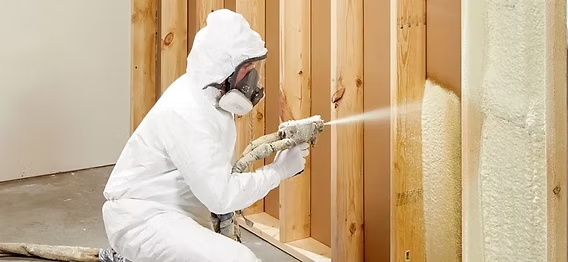
There are several types of insulation materials available, each with its own advantages and applications. Fiberglass insulation is one of the most common options due to its affordability and effectiveness. Spray foam insulation provides superior air sealing and is ideal for hard-to-reach areas. Cellulose insulation, made from recycled materials, is an environmentally friendly option that offers good thermal performance. Rigid foam boards are often used in walls and roofs for their high insulating value. A knowledgeable insulation contractor can help determine which material is best suited for a specific project based on factors such as climate, budget, and building design. Choosing the right insulation material is crucial for achieving long-term energy savings and comfort.
Benefits of Hiring a Professional Insulation Contractor
Hiring a professional insulation contractor offers numerous benefits that go beyond basic installation. First and foremost, they bring expertise and experience, ensuring that insulation is installed correctly and efficiently. Proper installation is critical, as even small gaps or errors can significantly reduce insulation performance. Additionally, a professional insulation contractor has access to specialized tools and equipment, allowing them to complete the job more quickly and safely. They can also provide valuable advice on energy efficiency improvements, helping property owners reduce their overall energy consumption. Furthermore, working with a licensed contractor provides peace of mind, as it ensures accountability and quality workmanship.
Energy Efficiency and Cost Savings
One of the primary reasons property owners invest in insulation is to improve energy efficiency and reduce utility bills. Proper insulation minimizes heat transfer, keeping indoor spaces warm in winter and cool in summer. This reduces the workload on heating and cooling systems, leading to lower energy consumption and cost savings. A skilled insulation contractor can identify areas where energy loss is occurring and recommend targeted solutions to address these issues. Over time, the savings on energy bills can offset the initial cost of insulation installation, making it a worthwhile investment. In addition to financial benefits, improved energy efficiency also contributes to environmental sustainability by reducing greenhouse gas emissions.
Signs That Your Property Needs New Insulation
Recognizing the signs that your property needs new or upgraded insulation is essential for maintaining comfort and efficiency. Common indicators include uneven indoor temperatures, high energy bills, drafts, and excessive noise from outside. Older buildings may have outdated or insufficient insulation that no longer meets modern standards. Moisture issues, such as condensation or mold growth, can also signal insulation problems. Consulting with a professional insulation contractor can help identify these issues and determine the best course of action. Addressing insulation problems promptly can prevent further damage and improve overall building performance.
The Installation Process Explained
The insulation installation process typically begins with a thorough assessment of the property. The contractor evaluates existing insulation, identifies problem areas, and develops a customized plan. Next, they prepare the site by sealing gaps and addressing any structural issues. The chosen insulation material is then installed using appropriate techniques to ensure complete coverage. After installation, the contractor conducts a final inspection to verify that the work meets quality standards. A reliable insulation contractor will also provide guidance on maintenance and care to ensure long-lasting performance. Understanding the installation process can help property owners feel more confident and informed when undertaking an insulation project.
Choosing the Right Insulation Contractor
Selecting the right insulation contractor is a crucial step in ensuring a successful project. It is important to look for contractors with relevant experience, proper licensing, and positive customer reviews. Asking for references and reviewing past projects can provide insight into the contractor’s capabilities. Additionally, obtaining multiple quotes can help compare pricing and services. A trustworthy insulation contractor will be transparent about costs, timelines, and materials, ensuring that there are no hidden surprises. Communication is also key, as a good contractor will take the time to understand the client’s needs and provide clear explanations throughout the process.
Common Mistakes to Avoid
When it comes to insulation, there are several common mistakes that property owners should avoid. Attempting to install insulation without professional expertise can lead to poor results and potential safety hazards. Choosing the wrong type of insulation for a specific area can also reduce effectiveness. Ignoring air sealing is another common issue, as gaps and leaks can compromise insulation performance. Working with a qualified insulation contractor helps prevent these mistakes and ensures that the project is completed correctly. Proper planning and execution are essential for achieving the desired results.
Maintenance and Long-Term Performance
Maintaining insulation is important for ensuring its long-term effectiveness. While most insulation materials are designed to last for many years, periodic inspections can help identify potential issues such as damage, moisture, or settling. A professional insulation contractor can provide maintenance services and recommend upgrades if necessary. Keeping insulation in good condition helps maintain energy efficiency and indoor comfort over time. Regular maintenance also protects the investment and ensures that the insulation continues to perform as expected.
Conclusion
Investing in quality insulation is one of the most effective ways to improve a property’s energy efficiency, comfort, and value. A professional insulation contractor plays a vital role in ensuring that insulation systems are properly designed and installed. From selecting the right materials to executing the installation process, their expertise makes a significant difference in the overall performance of the insulation. By understanding the importance of insulation and working with a skilled contractor, property owners can enjoy long-term benefits and a more comfortable living or working environment.