The realm of home design has undergone significant changes due to advancements in technology. With modern innovations, designing homes that are both aesthetic and accessible is now achievable.
Integrating technology in home access design enhances the functionality of spaces and significantly improves safety and usability for residents and visitors alike. Let’s delve into how various technologies are reshaping home access design.
Smart Home Solutions for Accessibility
Smart homes are transforming the way we interact with our living environments. Key players like Google Home and Amazon Alexa serve more than just digital assistants. They integrate with various devices to allow for seamless functionality and assistance. These technologies simplify access for those with mobility issues by enabling voice commands for lighting, temperature control, and entry systems, among other functions.
Another advancement in home access is the integration of sensor technology. Motion sensors can be employed to activate lights automatically when someone enters a room. This feature is beneficial for individuals with limited mobility. Smart locks enable homeowners to grant temporary access to caregivers or guests without the hassle of physical keys. This application adds an extra layer of convenience and security.
Smart technology can adapt to the needs of various occupants. Automated blinds can adjust according to the time of day, improving natural light exposure for residents with visual impairments. Innovations like these exemplify how technology plays a pivotal role in creating customizable spaces in modern homes.
Innovative Stair Design Approaches
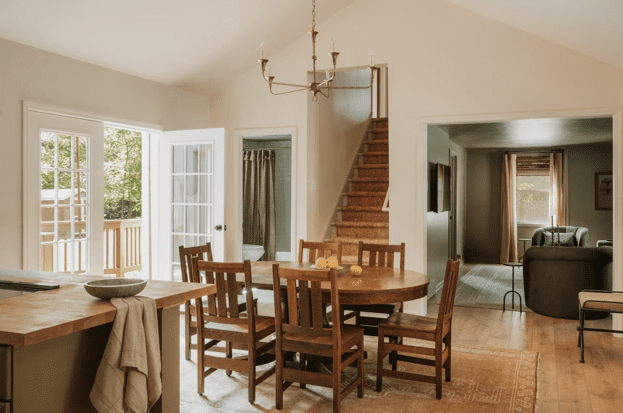
Stairs traditionally present challenges in home accessibility. The introduction of modular designs and advanced materials has led to customizable stair solutions that enhance safety and visual appeal. Homeowners can select materials and designs that suit their unique preferences while following safety standards. One popular trend is curved stair designs, which offer elegance while reducing the overwhelming straight lines often seen in traditional layouts.
These designs can incorporate features such as non-slip surfaces and wide treads, creating a safer environment for individuals of all ages. You can upgrade your stair design with affordable options designed with the user’s needs in mind. Many manufacturers now offer stairlifts that blend seamlessly with decorative elements. Such innovative designs encourage mobility and function without compromising aesthetic value. The successful fusion of art and accessibility leads to enriched living experiences.
Advancements in Elevator Technology
Elevators have always served as a vital component in making buildings accessible. However, recent advancements have revolutionized elevator technology, making it more efficient and user-friendly. Traditional elevators often required significant space for machinery, but today’s pneumatic and hydraulic systems are more compact and energy-efficient.
Modern elevators come equipped with smart features, including touchless controls and customizable settings that enhance usability for every occupant. Voice-activated systems have increased their appeal among users with limited mobility, ensuring that everyone can navigate through buildings comfortably.
Another innovation is the rise of home elevators. While once considered a luxury, they have become increasingly affordable and practical. Manufacturers offer various designs tailored to fit specific spaces and needs, allowing homeowners to ensure that their homes remain accessible without sacrificing style.
Inclusive Bathroom Solutions
Bathrooms often pose unique accessibility challenges in home design. Fortunately, advancements in technology have led to numerous innovative solutions that prioritize inclusivity. Walk-in tubs and zero-entry showers are gaining popularity, providing safer bathing options for individuals with mobility limitations.
Adjustable height sinks and toilets are becoming commonplace in many homes, allowing users to customize their experience for comfort and accessibility. Smart toilets featuring heated seats and self-cleaning functions further elevate the bathroom experience, catering to various needs.
Incorporating smart technology in bathroom fixtures has increased convenience. Automatic faucets and soap dispensers minimize contact points, greatly reducing the risk of slips and falls while enhancing hygiene. These developments ensure that bathrooms offer both functionality and safety to all users.
Outdoor Accessibility Innovations
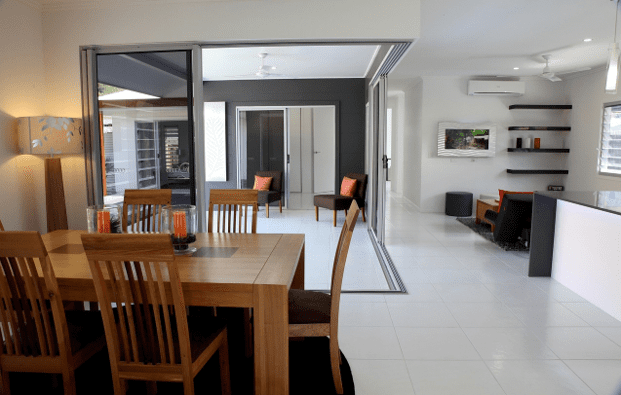
Outdoor spaces represent an important aspect of home design that often gets overlooked in accessibility discussions. Innovative solutions are emerging to transform patios, balconies, and gardens to enhance usability for everyone. Gradual slopes and textured pathways make navigating outdoor areas easier while ensuring compliance with accessibility standards.
Advancements in outdoor furniture technology have resulted in products specifically designed to accommodate individuals with mobility challenges. Lightweight, foldable seating options and adjustable-height tables enhance the outdoor experience without compromising comfort. Smart lighting solutions extend outdoor usability by ensuring that all areas remain well-lit and safe at night.
Incorporating smart home systems into outdoor settings can give homeowners convenience and security. Automated sprinklers, outdoor cameras, and motion-activated lights are just a few examples of how technology enhances outdoor accessibility.
The advancements in technology significantly reshape home access design by focusing on functionality, safety, and aesthetics. From smart home solutions and innovative stair designs to upgraded bathrooms and outdoor accessibility measures, homeowners can create environments that cater to diverse needs. By embracing these changes, individuals enhance their quality of life and ensure that their homes are welcoming for everyone.
Read More From Techbullion