Key Takeaways
- Simple home safety practices can prevent injuries and accidents.
- Awareness and regular checks are vital for maintaining a safe environment.
- Educating everyone in the household about safety strengthens overall protection.
Accidents and injuries often happen when you least expect them, but many can be avoided by practicing simple, proactive routines. By building safety habits into your daily life, you can minimize risks and protect yourself and your loved ones. If you ever need professional assistance after an accident, the Fasig | Brooks Law Offices can provide guidance and support for personal injury cases.
Staying safe does not require drastic changes. Small, consistent measures make a significant difference in reducing the opportunities for harm. Whether at home, on the road, or outdoors, adopting mindful practices can help prevent common mishaps and create a safer environment for everyone.
Home Safety Measures
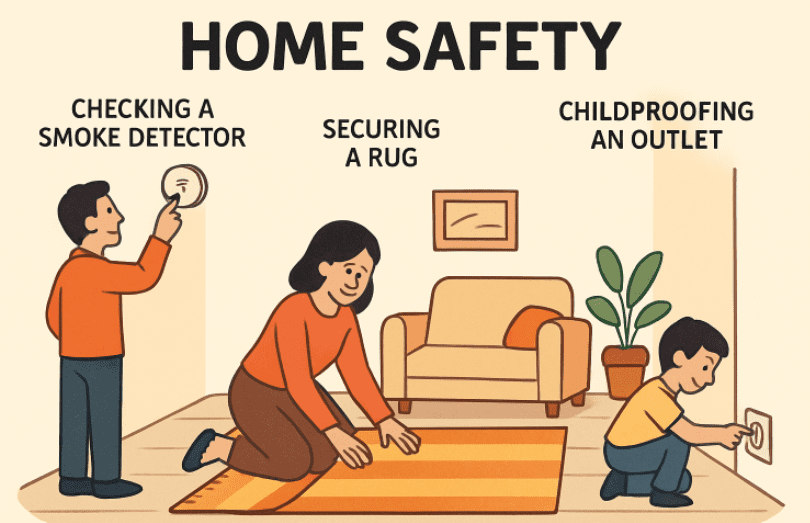
Making your home a safer space begins with vigilance and periodic inspection. Check regularly for hazards like slippery rugs, exposed electrical wires, or unstable furniture, and address them promptly. Install smoke detectors and carbon monoxide alarms on every floor, and check them monthly to ensure they are operational. Keeping emergency numbers visible and keeping a stocked first aid kit on hand can help everyone respond quickly when an incident occurs.
Childproofing is crucial for households with young children. Use outlet covers, lock away cleaning products, and keep sharp objects out of reach. Securing heavy furniture to the wall and placing corner protectors on tables can prevent serious injuries for both children and adults alike. Good lighting in hallways and entryways also helps everyone navigate safely after dark.
Preventing Falls
Falls are a significant cause of injury at home and in public places, especially among older adults. Keep walkways and floors free from clutter, and secure rugs with double-sided tape to prevent them from slipping. Consider installing non-slip mats in bathrooms and showers to add traction. Place handrails on both sides of stairways and grab bars in key spots, such as next to the bathtub or toilet, to give extra support.
Physical activity, particularly balance and strength exercises, enhances stability. Activities like yoga, tai chi, or simple leg-strengthening routines can lower the risk of falling. Proper footwear matters, too; choose shoes with low heels and slip-resistant soles to avoid trips and slips both indoors and outdoors.
Fire Safety
Fire-related accidents can be devastating, but many are preventable with foresight. Never leave stovetops or ovens unattended while cooking, and always keep flammable items away from heat sources. Check cords and appliances for frays or damage, and keep outlets free from overload. Develop a fire escape plan for your home and practice it with everyone in your household. These steps can dramatically improve your household’s readiness in case of an emergency. For more tips, visit the National Park Service’s Fire Prevention Week 2025 article for family-friendly fire safety resources.
Safe Driving Practices
Vehicle safety is vital in preventing collisions and injuries. Always wear a seatbelt, no matter how short the trip. Obey speed limits and traffic laws, and avoid distractions like texting while driving. Never drive if you are impaired by alcohol, drugs, or medication that affects alertness. Routine car maintenance, such as brake checks and tire inspections, keeps your vehicle safe on the road.
Outdoor Safety Tips
Outdoor activities are enjoyable and healthy, but they also come with risks. Stay hydrated and wear protective clothing suited to the conditions. Use broad-spectrum sunscreen and reapply every 2 hours, especially after swimming or sweating. Prevent bug bites and stings with insect repellent, and check yourself after outdoor excursions for ticks or other insects. When traveling to less populated areas, always let a friend or family member know where you will be, and carry a mobile phone for emergencies.
First Aid Preparedness
Responding quickly to injuries with basic first aid can prevent complications. Make sure your home first-aid kit includes essentials like bandages, antiseptic wipes, adhesive tape, tweezers, and pain relievers. Taking a certified first aid course, such as those offered by the American Red Cross, teaches valuable skills and prepares you for emergencies. Review your first aid kit regularly and restock items as they are used.
Educating Family Members
Safety is best achieved as a collective effort. Regularly discuss and rehearse emergency plans, such as fire drills and evacuation procedures, with all household members. Make sure everyone, especially children, understands how to recognize hazards and react in dangerous situations. Encouraging everyone to speak up about safety issues fosters an environment where risks are addressed quickly and confidently.
Conclusion
Prioritizing daily safety can prevent countless accidents and injuries. Implementing these simple actions creates a safer, more resilient environment at home, on the road, and beyond. Staying informed and proactive is the most effective way to protect yourself and those you care about, fostering well-being for your entire household.