Clinic owners considering a hyperbaric chamber rental need a way to test patient demand without tying up capital, treatment space, and staff time too early. A few monthly questions about hyperbaric therapy may signal interest, but buying a chamber can turn that interest into a long-term commitment before the numbers are clear. Rental gives the clinic room to evaluate demand with less pressure.
Renting lets you place the service on the schedule with a defined monthly cost, clear terms, and practical setup support. Cash flow, space, and staffing hours stay easier to manage while you track booked sessions, package sales, repeat visits, and front-desk conversion. From there, compare rental cost against monthly revenue, patient interest, and staff capacity before deciding to extend, upgrade, purchase, or stop.
Start With a Lower-Commitment Revenue Test
A month-to-month hyperbaric chamber rental reduces upfront capital pressure while you add the service to an existing treatment schedule. The fixed rental payment is easier to plan around than a large purchase, and it leaves room for other clinic needs like payroll, supplies, or marketing. Once the chamber is installed and operating, you can price sessions and packages with a clear baseline cost to cover each month.
Session pricing only matters when it’s tied to volume you can realistically book. Comparing the monthly rental cost against your session rate, package mix, and expected appointment count turns the decision into simple math instead of a long-range bet. When the numbers work, the chamber earns recurring time on the schedule; when they don’t, you can adjust pricing or stop the rental without carrying equipment depreciation.
Fit the Service to the Right Patient Demand
Existing appointment logs can show where hyperbaric sessions may fit naturally, such as recovery-focused visits, performance programs, wellness add-ons, fatigue support conversations, and patients already paying out of pocket for premium services. When those needs are already coming up during appointments or at checkout, a chamber feels like an extension of current demand rather than a separate program.
Front-desk acceptance improves when the explanation stays simple and consistent. Use plain details such as session length, comfort, setup, scheduling, and what the visit includes instead of relying on technical claims. Recovery, performance, wellness, and self-pay buyers respond best when options are framed as clear sessions or short packages with realistic expectations.
Make the Experience Easy to Buy
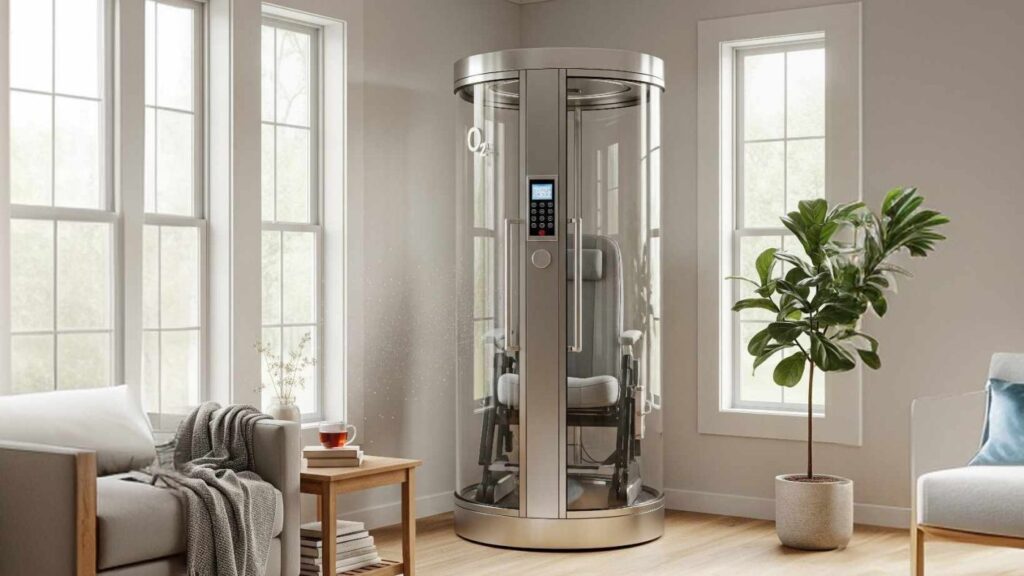
A service page that shows session length, what happens during a visit, and what the chamber feels like prevents the back-and-forth that stalls bookings. Patients look for simple comfort details such as pressure changes, noise level, what they can wear, and phone or water rules during the session. Photos of the exact chamber in your clinic and a short FAQ reduce uncertainty and keep the first call from turning into an information hunt.
Booking should take the same path as your other paid services, with a visible request button, available times, and a clear next step after submission. If a phone call is required, the page should still show price range, cancellation terms, and any medical clearance requirements. Confirmations and reminders need to restate arrival time, session duration, and what to expect so staff are not re-explaining basics at check-in.
Launch With Offers That Feel Premium but Practical
Price questions come faster when hyperbaric therapy is presented as a single open-ended session. A structured menu makes the choice easier to compare at the front desk and on your site, especially when each option states session length, what’s included, and who it’s intended to support. A first-session option can work as an introduction, and a small recovery pack sets a practical expectation for multiple visits without asking for a big commitment.
Bundled wellness packages are easier to explain when they are built around scheduling and goals patients already recognize, such as a defined number of sessions over a set time window. Keep the offer premium by adding clarity and convenience, not price cuts, with simple rules on expiration, rescheduling, and who can use the sessions. Train staff to quote the package as the default and use single sessions as the fallback when needed.
Track the Signals That Matter Most
Daily schedules show quickly if the chamber is becoming a steady part of operations, so start by watching booked sessions by week, time-of-day fill rates, and no-show patterns. Those basics show if demand is consistent or only spiking after staff mentions it. Pair that with package uptake and repeat visits, since hyperbaric therapy can perform better when patients commit to a set of sessions instead of one-off tries.
Revenue per patient is the growth metric that keeps the service honest, especially for self-pay. Track if hyperbaric visits bring in new cash-pay patients, raise average spend for existing patients, or simply replace other paid services on the calendar. Front-desk conversion rates and staff confidence matter too, since shaky scripts show up as stalled inquiries and unbooked consults. The chamber is working when patients rebook without chasing and your team quotes it cleanly in under a minute.
A hyperbaric chamber rental works best as a measured growth test, not a permanent expansion from day one. Set targets before launch, including booked sessions per week, package uptake, repeat visits, front-desk conversion, and monthly margin after rental and staffing costs. Use the rental period to refine pricing, patient education, scheduling, and staff scripts so the service becomes easier to explain and buy. If demand stays consistent for several months, extending the rental or moving toward ownership becomes easier to justify. If the numbers do not hold, return the equipment and protect space, cash flow, and team focus.