Gratuity, pension, and provident fund are three different retirement payouts that most people confuse. This guide explains how each one works and shows you gratuity calculation properly to pay off your remaining home loan EMI before retirement hits.
Three Words Nobody Understands Correctly
When you retire in India, three payments might come your way: Gratuity, Pension, and Provident Fund. Most people think they’re the same thing or work the same way. They don’t. They function completely differently, arrive at different times, and learning how to calculate gratuity alongside your other benefits changes your retirement planning entirely.
It can even decide whether you can clear your remaining home loan before you stop earning money.
What Gratuity Actually Is
Gratuity is a one-time payment your employer gives you when you retire or leave the company. It’s based on your years of service and your last drawn salary. It’s not something you contribute to. Your employer pays it from their side.
The government sets gratuity rules and limits. After five years of service, you become eligible for gratuity. For every year of service after that, you get half a month’s salary or one month’s salary depending on your job type. The exact rules differ for private and government employees.
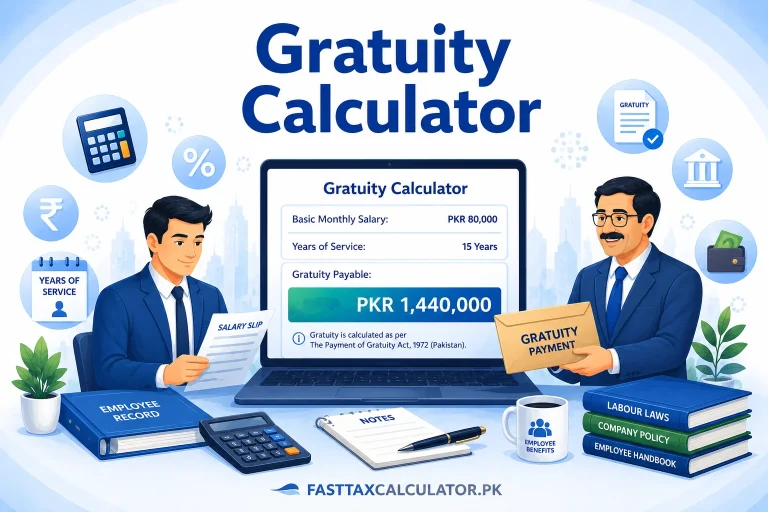
You can calculate gratuity using a simple formula:
Gratuity = (Last Month’s Salary x Number of Years of Service x Applicable Rate) / 2
For a person earning 50,000 monthly with 20 years of service, gratuity might be 5 to 10 lakhs depending on the applicable rate. This is a one-time payment, not recurring.
What Pension Actually Is
Pension is a monthly payment that comes after you retire. It’s recurring income that keeps coming every single month. The government or your employer pays you every month for the rest of your life.
Pension amounts depend on your service years and salary at retirement. A pension might be anywhere from 20,000 to 50,000 monthly or more depending on your seniority. It’s not a one-time payment. It keeps coming every month until you die.
The beauty of pension is that it’s predictable income. You know roughly how much you’ll get each month. You can plan your retirement around that number.
What Provident Fund Actually Is
Provident fund is money you and your employer contributed during your working years. This money builds up in an account with your name on it. Every month, a percentage of your salary goes into this account. Your employer contributes a matching amount.
When you retire, you get this entire accumulated amount at once. It’s your money that you and your employer saved together.
You can use an EMI calculator to see how much provident fund you’ll have at retirement. If you contributed 5,000 monthly for 30 years with employer matching and earning interest, you might have 20 to 25 lakhs depending on interest rates and your salary increases.
Using These Three to Pay Off Your Home Loan
Here’s where it gets practical and important. You have a home loan with 10 years left to pay. Monthly EMI is 25,000. Total remaining liability is 30 lakhs approximately.
Your gratuity at retirement will be about 8 lakhs. Your provident fund will be about 20 lakhs. Your pension will be 30,000 monthly.
The smart strategy is to use your gratuity and provident fund together to pay off the remaining 30-lakh loan immediately. Then your pension becomes pure income with no loan EMI eating into it every month.
This is huge for retirement quality. Without this strategy, your 30,000 monthly pension gets cut to 5,000 or 10,000 after paying the EMI. With this strategy, you keep all 30,000 for living expenses.
Calculating Gratuity to Plan Loan Payoff
To calculate gratuity accurately, you need three numbers. Your current salary. Your years of service. The applicable gratuity rate for your job type.
Use this calculation:
Gratuity = (Salary x Years of Service x 15) / 26
For someone earning 50,000 monthly with 20 years of service:
(50,000 x 20 x 15) / 26 = 5.77 lakhs
That’s your rough gratuity amount. It’s one-time money. Add your provident fund. That’s your total retirement payout from employment.
Using an EMI Calculator for Retirement Planning
An EMI calculator helps you understand how much you’ll owe at retirement. Enter your remaining loan balance, interest rate, and remaining years. The calculator shows your total remaining liability.
Compare that to your expected gratuity and provident fund combined. If they’re higher than the remaining liability, you can pay off the loan completely. If they’re lower, you’ll carry the loan into retirement, which is problematic.
This exercise should happen years before retirement, not months before. It gives you time to increase savings or adjust your strategy.
The Real Strategy
The goal is simple but powerful. Use your gratuity and provident fund to clear the remaining home loan entirely. This way your pension becomes pure retirement income with no EMI payments eating into it.
Most people don’t think about this during their working years. They discover at retirement that they don’t have enough to pay off the loan. Then they’re stuck paying EMI from their pension for years. Their retirement quality suffers because half their income goes to the bank.
Calculate gratuity now. Run an EMI calculator now. Plan now. Your retirement will be much better.
Disclaimer: This article is informational only and not financial advice. Gratuity calculations vary by employer, industry, and law. Pension amounts depend on government rules and your service record. EMI calculators give estimates only. Actual payouts vary by interest rates and salary history. Before making retirement decisions, consult a financial advisor, verify your gratuity eligibility with your employer, check pension rules with your HR department, use official government calculators for accurate numbers, and plan at least five years before retirement.