Not too long ago, becoming a stock market investor involved a fair amount of paperwork. You had to fill out forms, photocopy documents, submit signatures, and wait for your account to be activated. For a first-time investor, the process could feel more complicated than the investment itself.
Today, that experience looks very different. The entire process is totally different from what it used to be. You can open a demat account in minutes using just a mobile phone. From submitting identification documents to verification and even filling out forms using digital KYC, stock brokers have made major improvements in how they onboard new investors.
From Physical Forms to Digital Onboarding
For someone entering the market for the first time, one of the most noticeable changes is how quickly the initial formalities can be completed. To open demat account online, an investor can generally begin through the website or application of a registered intermediary and enter the required personal details.
The process can include digital document submission, electronic signatures, bank account verification, and video-based identity verification. The exact steps may differ between intermediaries, but the objective remains the same: establish the investor’s identity without requiring an office visit.
Depending on the onboarding process, documents may also be verified through digital sources such as DigiLocker or Aadhaar-based authentication. These options have reduced the dependence on physical paperwork while keeping identity verification at the centre of account opening.
For someone opening an investment account for the first time, that can make a surprisingly big difference. The barrier is no longer a file filled with forms. Instead, it is a series of digital steps that can be completed remotely.
What Is Digital KYC and Why Does It Matter?
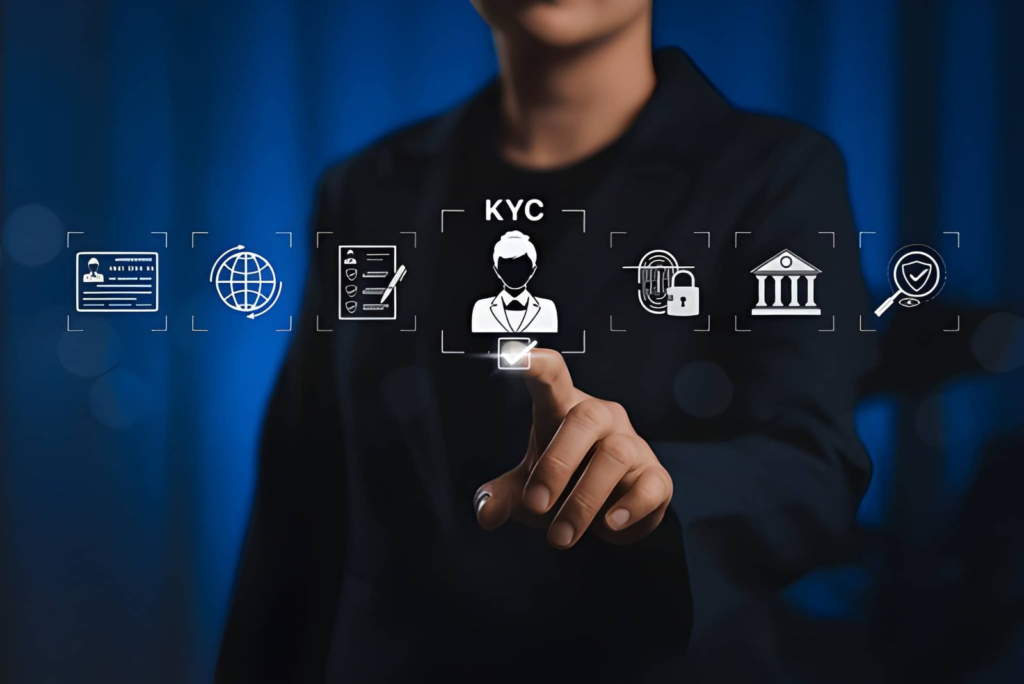
KYC, or Know Your Customer, is the process of verifying who an investor is before allowing them to access financial services. It has always been an important part of opening an investment account.
The difference today is how that verification happens.
Instead of relying entirely on physical documents and face-to-face visits, investors can submit information digitally. Video-based verification can also confirm an investor’s identity, while electronic documentation makes it easier to complete several formalities in one place.
This is where the idea of paperless investing comes in. The checks have not disappeared. The paperwork around them has moved online.
Why Paperless Onboarding Is More Than Convenience
It is easy to think of digital KYC as simply a faster way to complete paperwork. Its impact, however, extends beyond convenience.
A Simpler First Step
The stock market can already feel intimidating to beginners. Adding complicated account-opening procedures only steepens the learning curve. A straightforward digital onboarding process allows new investors to spend more time understanding investments and less time navigating paperwork.
Less Dependence on Physical Documents
Digital document submission means investors don’t always need to print, scan, and submit multiple copies. Digitally available documents can also make the verification process more convenient.
Greater Accessibility
Online onboarding has made investing more accessible to people who may not live close to a broker or financial office. With a smartphone, the required documents, and an internet connection, someone can begin the process remotely.
A More Connected Experience
The digital journey does not necessarily stop once the account is opened. Investors can access statements, transaction alerts, account information, and other portfolio-related services online.
Account opening has therefore become the first part of a broader digital investing experience rather than a separate administrative task.
The Rise of Mobile Investing
The smartphone has been one of the biggest catalysts behind this transformation.
A modern stock market app can bring several parts of the investing journey together. Investors can research companies, monitor market movements, manage their holdings, and access account information without relying on multiple offline processes.
For beginners, this creates a more familiar experience. Their first interaction with investing may happen on a phone rather than inside a financial office.
Digital platforms have also made account management more convenient after onboarding. Investors can access electronic statements and use online facilities for certain demat-related instructions, reducing their dependence on paper-based processes.
However, convenience should not be confused with simplicity. Opening an account may take less effort, but deciding where to invest still requires research, patience, and an understanding of risk.
What Has Changed for First-Time Investors?
The most important change is psychological as much as procedural.
Earlier, opening an investment account could feel like a formal financial milestone. Today, the process feels much more approachable. A young professional exploring investing after work, a first-time investor researching stocks, or someone curious about building a portfolio can begin the onboarding process online.
Lower friction can encourage more people to participate in the formal investment ecosystem.
At the same time, digital onboarding still involves safeguards. Investors need to provide the required information, complete identity verification, and confirm their details before an account becomes operational. Electronic signatures and video-based verification can help complete these checks digitally.
In other words, paperless does not mean unchecked.
Is Digital KYC Completely Paper-Free?
The term “paperless” can sometimes create the wrong impression.
Digital KYC reduces or eliminates many physical steps, but investors still need to provide the required information and documents. Some onboarding journeys may involve digitally submitted documents, e-signatures, or video verification.
The important distinction is that these steps can be completed electronically rather than requiring the investor to carry a physical file from one office to another.
This also makes it important to use a legitimate platform when sharing personal information. Investors should verify that they are dealing with a registered intermediary and avoid submitting KYC documents through suspicious links, messages, or unofficial websites.
What the Future of Digital Investing Looks Like
Digital KYC has quietly changed the first few minutes of an investor’s journey.
The stock market itself remains the same, with its opportunities, risks, and market movements. What has changed is the doorway.
Account opening can now happen digitally. Identity verification can be completed through technology. Documents can be submitted electronically, while account information can be accessed online. The smartphone has also become an increasingly important part of how investors interact with the market.
The broader direction is clear: investing is becoming more digital without removing the verification and safeguards that support a secure financial ecosystem.
For beginners, that is the biggest takeaway. Digital KYC has not removed the responsibility that comes with investing. It has simply removed much of the friction that used to come before it.
And when the first step becomes easier, more people get the opportunity to take it.