For Yitian Li, some of the most important design decisions in artificial intelligence happen where users cannot see them. They determine how a system responds, when it asks for confirmation, how it communicates uncertainty, and ultimately whether an interaction strengthens or diminishes human agency.
That perspective connects Li’s work as a designer at Google with her independent product and artistic practice. Across both, she is interested not simply in making AI easier to use, but in defining what a healthy relationship between people and increasingly intelligent systems should look like.
Designing what users don’t see
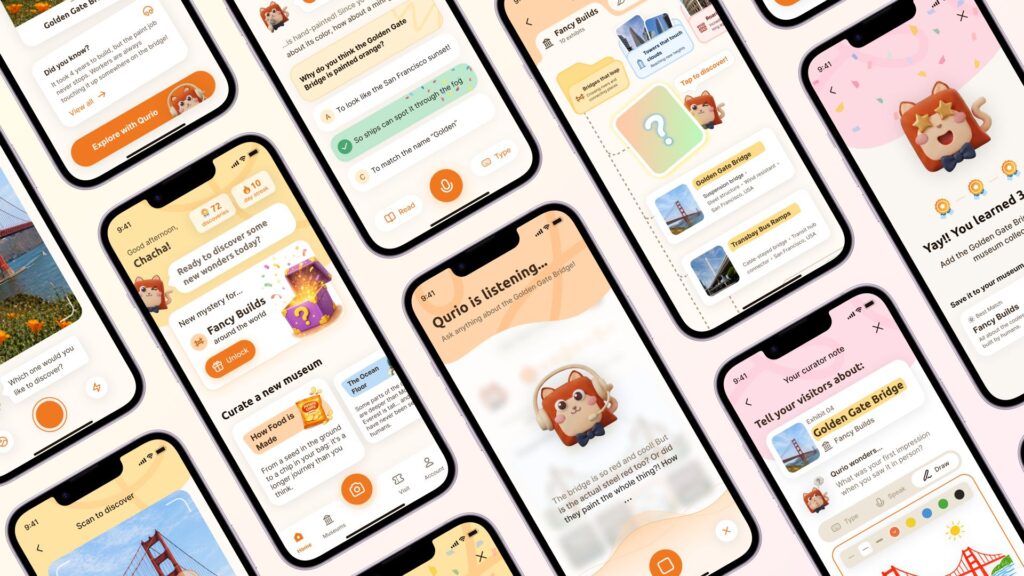
Li’s recent project Quriosity puts that philosophy into practice. The AI-powered curiosity engine allows children to scan everyday objects and turn them into continuing journeys of discovery, combining voice conversations, guided exploration, personal collections, and AI recommendations into a system designed to sustain curiosity rather than simply answer questions.
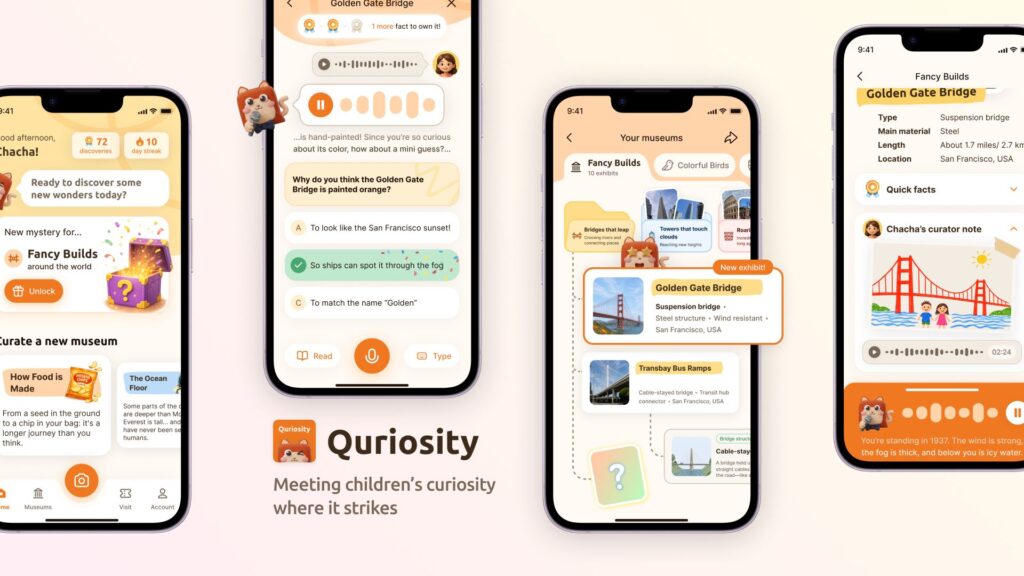
Her work extends beyond the visible interface into Model UX, defining system instructions, conversational principles, vocabulary, personality and behavioral modes for the AI companion.
“With AI, many interactions can become remarkably simple and intuitive. Children can just talk to it and ask questions,” Li says. “But we cannot carelessly assume that AI will just work. A great deal of thoughtful design has to happen in the invisible layers to ensure the quality, reliability and responsibility of the product.”
That approach has received growing international recognition. Most recently, Quriosity was named a 2026 European Product Design Award (EPDA) Winner in App UI/UX Design, with Li recognized as a lead designer. The competition attracts submissions from more than 83 countries, while only five professional projects in Communication Design, across App UI/UX Design and other disciplines, were named winners in 2026. EPDA evaluates work through an international professional jury and a broad set of criteria including innovation, functionality, utility, aesthetics, impact, and emotional value. The recognition therefore considers more than visual execution, examining whether a design meaningfully addresses user needs and translates its concept into a viable product experience. Quriosity has also received a Silver Awards at the 2026 MUSE Creative Awards, 2026 New York Product Design Awards, and an Honorable Mention at the 2026 DNA Paris Design Awards, reflecting its recognition across independent international juries.
Art as a form of design inquiry
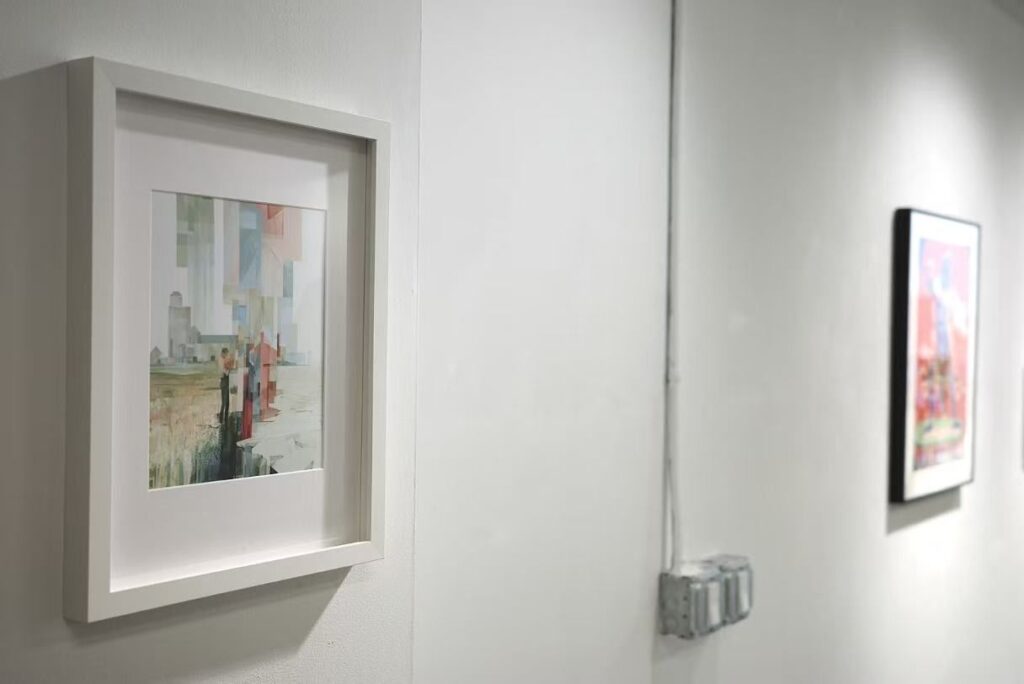
Li also uses art to examine the larger consequences of technologies she encounters through design practice. Her series Fractured Mirage explores computational scarcity, synthetic information, hidden labor, trust, and dependence in the human-AI relationship. One work from the series, The Token Season, was selected for the 2026 exhibition “Nothing like it was” at A SPACE gallery in New York.
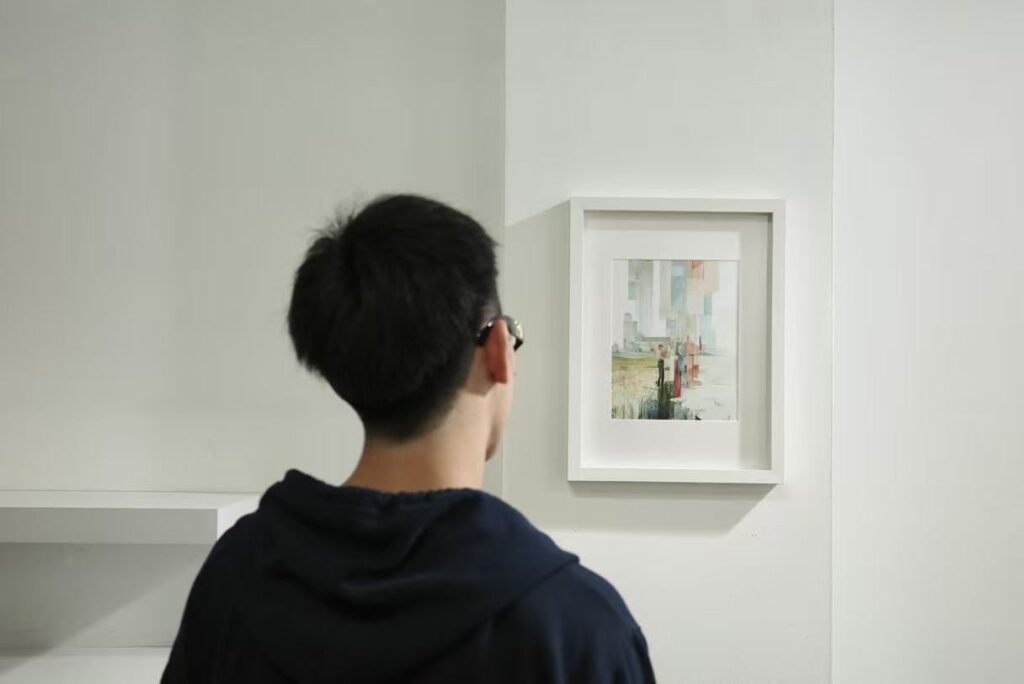
Her ongoing series Terms We Live By turns toward the emerging social language of human-AI interaction, examining themes such as habitual consent, excessive explanation, responsibility, and the new forms of cognitive labor created by intelligent systems. Rather than treating artistic critique as separate from product innovation, Li uses it to surface assumptions that designers may otherwise normalize and to identify questions that could shape the next generation of AI tools.
“AI has transformed human productivity and everyday life in countless ways. It is both an industrial and a social transformation,” Li says. “As designers working at the front end of that change, we need to remain reflective and use human-centered thinking to steer technology in favor of humanity.”
This dialogue between building and questioning technology distinguishes Li’s practice. Her product work explores new interaction models; her artistic work steps outside those systems to examine their consequences. Together, they position design as not only a mechanism for adopting new technology, but also an important discipline for determining the values embedded within it.
Systems thinking across disciplines
Li’s approach is rooted in an interdisciplinary path from architecture to human-computer interaction and AI product design. Architectural training enabled her to think beyond individual objects toward systems: how components relate, how people navigate complex environments, and how underlying structures shape behavior. She now applies that thinking to non-deterministic AI and agentic experiences, where model behavior, interface affordances, human oversight, and system actions must operate coherently.
The same thinking was evident during her time at Tencent, where Li led design for the 2.5D Virtual Exhibition feature of Tencent Cloud Conference (TCC). She translated principles of physical exhibition design into reusable digital environments that could support different organizers, exhibitors, and content formats. It’s reported that TCC ultimately supported virtual and hybrid events across more than 100 countries, including major deployments for the Canton Fair, World Intelligence Congress, and Singapore Virtual Pavilion at the China International Import Expo. The Singapore pavilion alone used a 2.5D exhibition environment containing 45 booths, deployed on top of Li’s work.
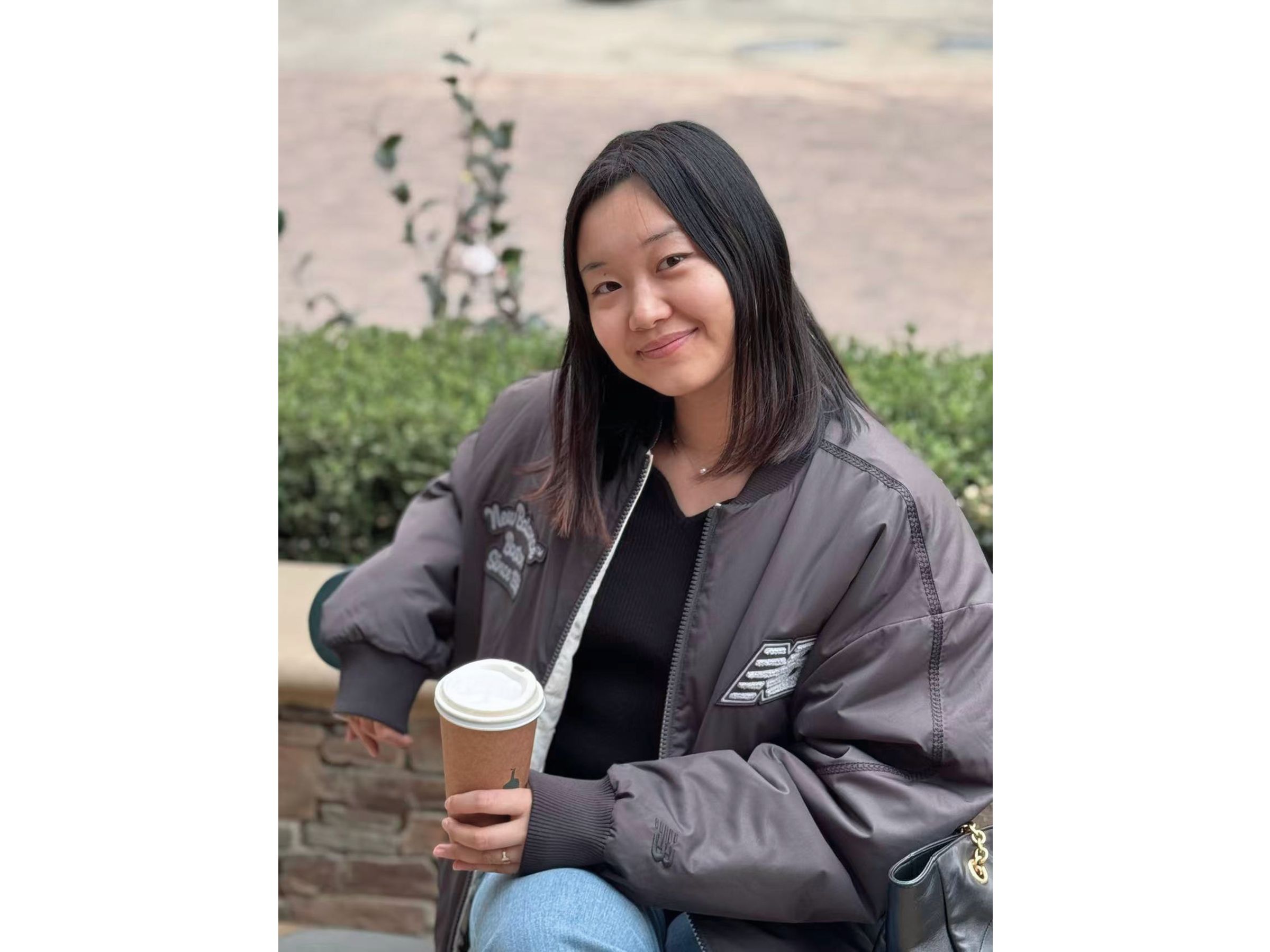
Across enterprise AI, experimental products, virtual environments, and art, Li’s work advances a consistent argument: as artificial intelligence becomes more capable, design must expand beyond interfaces to address behavior, agency, responsibility and human values. Her practice suggests that the next frontier of AI design may be less about making intelligence more visible and more about thoughtfully designing the relationship around it.