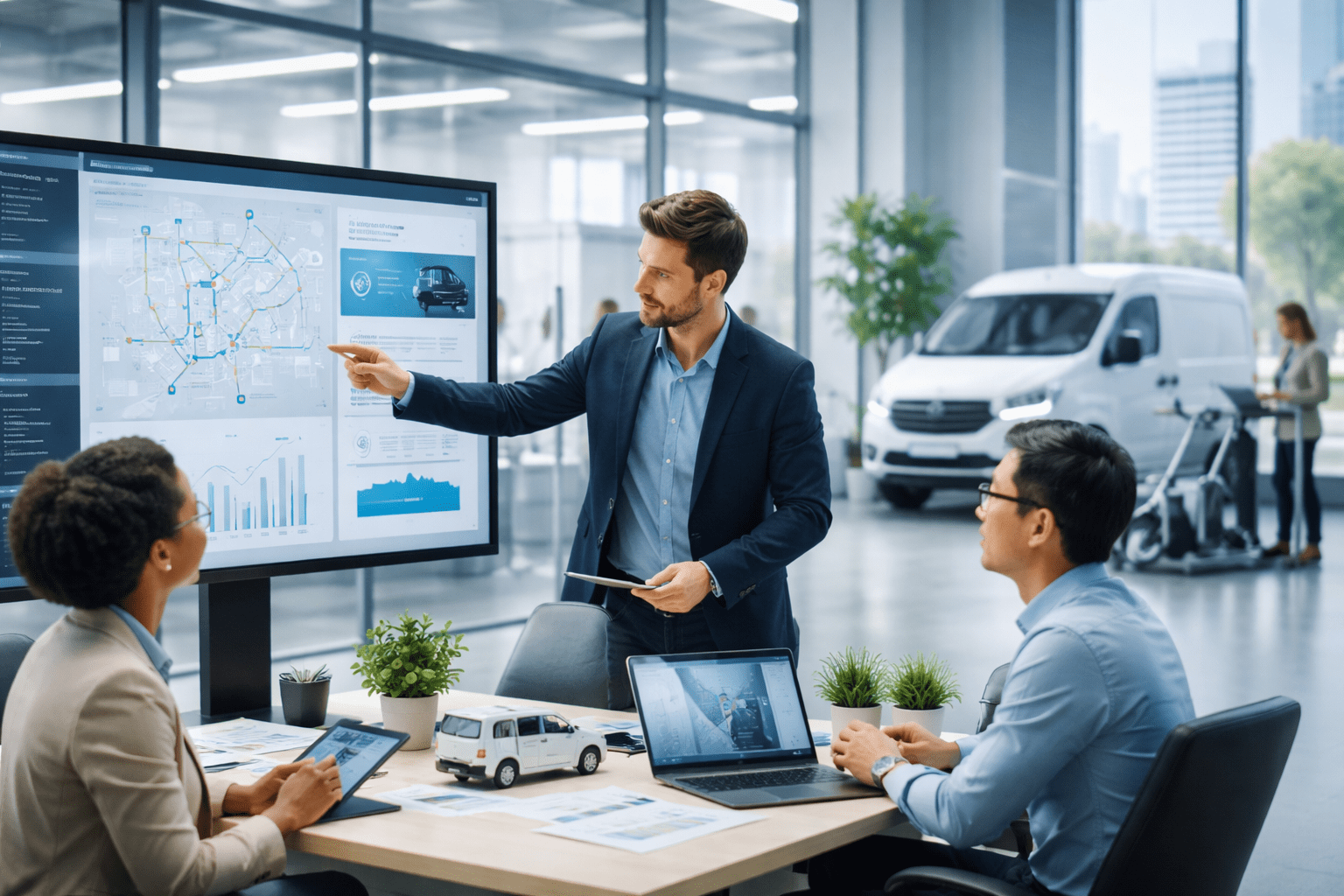
Efficient workplace transportation is fundamental in shaping a company’s productivity and employee satisfaction. Companies across the globe are rethinking internal logistics to streamline processes and create seamless workflows. Modern transportation solutions, such as digital tracking systems and automated vehicles, are at the forefront of this shift, significantly reducing bottlenecks and enhancing how businesses operate. In environments where material handling is frequent, utility carts have proven indispensable for moving goods efficiently across factory floors, warehouses, and large offices.
The shift towards technological integration has also enabled managers to assess and address transportation challenges in real time. Implementing these solutions allows for improved coordination between departments, a reduction in operational downtime, and a boost to overall morale by making daily routines hassle-free. These advancements, however, are not just about machinery or automation. They are about fostering a workplace culture that prioritizes efficiency, safety, and adaptability in response to evolving operational demands.
Importance of Efficient Workplace Transportation
The importance of efficient transportation within the workplace cannot be overstated. Modern businesses rely increasingly on the smooth movement of materials, inventory, and people to maintain productivity. Inefficient systems result in workflow delays, wasted labor hours, and unnecessary hazards that compromise safety and inflate costs. According to research from the Forbes Technology Council, improving internal logistics can dramatically impact the bottom line by maximizing value at each step of the supply chain.
Implementing streamlined transportation within the workplace helps minimize interruptions and ensures that tasks are completed with fewer resources. Solutions like dedicated transit lanes, smart routing, and well-maintained equipment keep employees working efficiently and safely, demonstrating how logistics management is intricately linked with overall business performance.
Technological Advancements in Workplace Transportation
The introduction of technological advancements has revolutionized how goods and personnel move within commercial environments. Technologies driven by Artificial Intelligence (AI) and the Internet of Things (IoT) are providing real-time insights into transportation patterns, predicting maintenance needs, and ensuring resources are allocated where they are most needed. Advanced fleet management and automated guided vehicles (AGVs) allow businesses to reduce manual intervention, improving both speed and accuracy in handling materials.
One notable example is seen with Microsoft’s AI-driven transportation planning tools, which leverage data analysis to enhance transportation planning across its campuses. This integration of data-driven solutions not only increases reliability but also frees up time for workers to focus on higher-value activities, reinforcing the relationship between technology adoption and productivity. Future workplace transportation is expected to rely even more on connected devices and predictive analytics, making proactive decision-making a standard practice.
Sustainable Transportation Practices
Workplace sustainability is increasingly important, with organizations seeking to reduce their carbon footprints and adopt environmentally friendly practices. Transitioning company fleets to electric or hybrid vehicles helps cut fuel consumption and emissions. Investments in electric vehicle charging infrastructure and the use of renewable energy sources are growing trends among forward-thinking businesses.
Switching to sustainable internal transportation, such as electric utility carts and bicycles where feasible, supports environmental goals while also offering long-term cost savings. According to a report by The New York Times, businesses that have made these transitions often see positive impacts not just on their finances but also on employee retention, as staff appreciate working for organizations that acknowledge and address climate change concerns.
Implementing Effective Transportation Strategies
Developing an effective transportation strategy begins with a thorough assessment of current systems. Key steps include evaluating transportation workflows, identifying inefficiencies, and benchmarking performance against industry standards. Once a baseline is set, integrating technologies like GPS tracking, automated scheduling tools, and digital inventory systems can drive substantial improvements.
Actionable Steps for Implementation
- Assess Transportation Needs: Audit current logistics to pinpoint problem areas and set measurable improvement targets.
- Deploy Smart Solutions: Use AI and IoT systems to enable real-time route and fleet management, as well as predictive maintenance.
- Invest in Sustainability: Gradually replace conventional vehicles with electric or hybrid alternatives to boost green credentials.
- Promote Employee Training: Equip staff with the knowledge and skills necessary to adapt to new systems smoothly.
- Regular Review and Optimization: Continuously measure success, collect employee feedback, and refine strategies for ongoing efficiency gains.
Case Studies of Successful Implementations
Successful implementation stories highlight the real-world benefits of modern workplace transportation solutions. Microsoft, for example, reported marked improvements in employee mobility, satisfaction, and productivity after adopting AI-driven scheduling and campus shuttles. By tracking usage patterns and proactively addressing congestion points, the company built a transport ecosystem that aligns with its broader digital transformation goals.
In another instance, a Delhi-based company slashed annual fuel costs by shifting a substantial part of its employee commute fleet to electric vehicles. The switch also contributed to an improved score in environmental, social, and governance (ESG) reporting, bolstering its reputation and stakeholder appeal. Such examples reflect a broader trend in which efficiency gains and sustainability are not mutually exclusive but are powerful partners in the modern enterprise.
Conclusion
The transformation of workplace transportation is a multi-faceted journey involving technology, sustainability, and strategic planning. By leveraging modern solutions and focusing on continuous improvement, organizations can build work environments that are not only more productive but also more appealing to current and prospective employees. In this way, transportation is not just a support function but becomes a driver of innovation, efficiency, and long-term success.