
Multiple PSP Integrations: Why One Payment Provider Is No Longer Enough

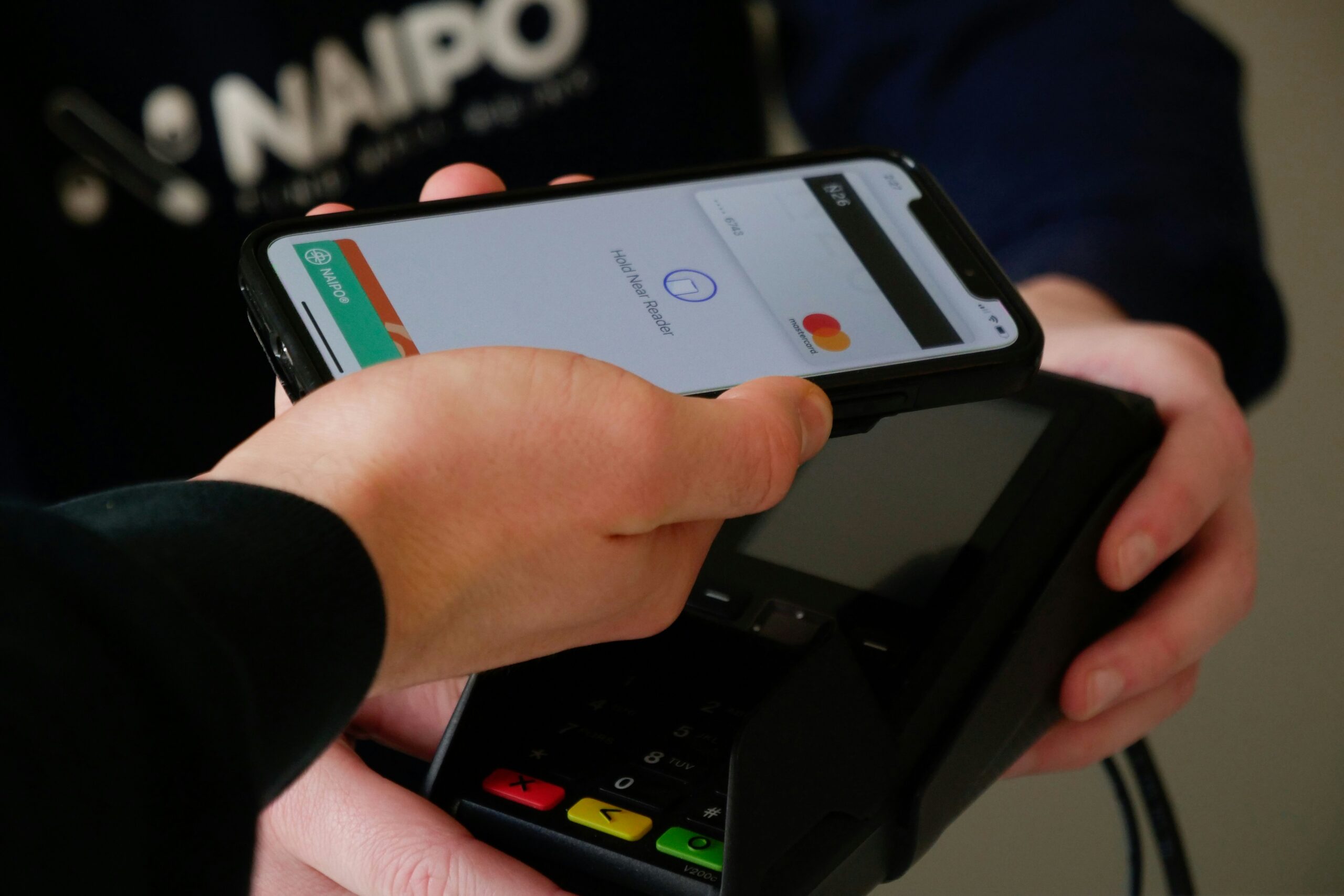
Online payments can look simple from the customer side. A product is selected, checkout opens, payment details are added, and a confirmation message appears. Behind that short process, however, sits a chain of banks, processors, card networks, fraud checks, currencies, and technical rules. When everything works, the sale feels easy. When one part fails, the customer may leave before the business even understands what happened.
This is why many digital companies are moving away from single-provider payment setups. A solution such as finteqhub can help connect several payment service providers through one payment layer, giving an online business more flexibility, more backup options, and better control over transaction performance. Relying on one PSP may feel convenient at first, but growth often exposes the limits of that approach very quickly.
The Problem With One PSP
A single payment provider can be enough for a small business with one market, one currency, and a simple checkout flow. It keeps the setup easy and reporting familiar. The trouble begins when order volume grows, customers arrive from different countries, and payment preferences become more varied.
One PSP may not perform well in every region. Approval rates can change by country, card type, bank, currency, or transaction value. A provider that works smoothly for domestic cards may struggle with international payments. Another issue is downtime. Even strong providers can face technical problems, maintenance windows, or sudden service delays.
When a business depends on one PSP, every provider issue becomes a business issue. If payments fail, revenue slows. If approval rates drop, checkout conversion suffers. If fees increase, margins take a hit. There is no easy alternative route.
Why Multiple Integrations Improve Stability
Multiple PSP integrations give a business more than one path for accepting payments. If one provider has a problem, transactions can move through another option. If one PSP performs better in a certain country, payments from that market can be sent there. If another provider has lower fees for a specific method, routing can be adjusted.
A multi-PSP setup can support:
- Higher payment approval rates:Transactions can be sent to providers with stronger performance for specific markets or card types.
- Backup during outages:If one provider fails, another route can keep checkout available.
- More local payment methods:Different regions can receive payment options that feel familiar.
- Better cost control:Payments can be routed with both approval quality and fees in mind.
- Stronger negotiation power:Real provider comparisons can support better commercial discussions.
This does not mean every business needs a complicated payment stack from day one. But once payment volume becomes serious, one provider can start feeling like a narrow bridge during rush hour.
Customer Experience Depends on Payment Choice
Customers rarely think about payment infrastructure. The only question is whether checkout works. A failed payment creates doubt fast. Was the card charged? Is the order confirmed? Is the website safe? Should another store be used instead?
Multiple PSP integrations help reduce this uncertainty. More payment routes can mean fewer unnecessary declines and fewer checkout dead ends. Local payment methods can also make the buying process feel more natural. In some markets, cards are common. In others, wallets, bank transfers, instant payments, or local schemes may be preferred.
A business that supports familiar payment methods has a better chance of keeping customers at checkout. This matters even more on mobile, where patience is thin and distractions are everywhere. One extra problem can turn a ready buyer into a lost visitor.
Better Data Leads to Better Decisions
A multi-provider setup also gives payment teams more useful data. Instead of accepting one provider’s performance as the full picture, a business can compare approval rates, decline reasons, settlement times, chargebacks, fees, and payment method performance across several providers.
Important insights can include:
- Which PSP performs best in each country
- Which payment methods create fewer failed transactions
- Where fraud rules may be blocking real customers
- Which provider has slower settlement periods
- Where payment costs are higher than expected
This kind of information turns payment management from guesswork into a practical business process. Without comparison, weak performance can hide in plain sight. With comparison, problems become easier to spot and fix.
Reducing Risk Without Losing Control
Some businesses avoid multiple PSP integrations because the setup sounds complex. That concern is fair. Managing several providers directly can create technical work, reporting gaps, and operational confusion. This is why payment orchestration and centralized payment management have become more important.
A good payment layer can connect different PSPs while keeping routing, reporting, monitoring, and fraud control easier to manage. The goal is not to add chaos. The goal is to add options without making daily operations painful.
Multiple integrations also reduce vendor lock-in. If one provider changes terms, raises prices, or becomes less effective in a key region, a business with alternatives can respond faster. That flexibility can protect revenue and support healthier long-term planning.
Final Thoughts
Relying on one PSP may feel simple, but digital commerce rarely stays simple for long. More customers, more regions, more payment methods, and more transaction volume all create pressure on a single-provider setup. When payment depends on one route, every outage, decline spike, or regional weakness becomes a direct threat to revenue.
Multiple PSP integrations give online businesses more stability, better approval potential, stronger local coverage, and clearer payment data. For companies focused on growth, payment infrastructure should not be treated as a background detail. Checkout is where interest becomes revenue. A flexible payment setup helps make sure that the final step has more than one way to succeed.






Comment