The global appetite for second citizenship has never been stronger. Amid rising geopolitical instability, tightening banking regulations, and shifting tax landscapes, high-net-worth individuals across the world are increasingly treating citizenship by investment as a core financial tool rather than a status symbol. The calculation has changed. It is no longer about collecting passports. It is about making sure that if things go wrong at home, there is somewhere else to go, something else to hold.
THE MARKET IS MOVING FAST
Caribbean nations have quietly become the most active and transparent players in this space. Countries such as Dominica, Saint Kitts and Nevis, and Saint Lucia have absorbed much of the demand that once flowed toward Europe, delivering passports within three to six months and investment thresholds that vary depending on family structure and program choice.
Dominica’s program, established in 1993 and currently ranked 29th globally by passport strength, starts from around $92,000 for a single applicant with no residency requirement. Saint Kitts and Nevis, running the world’s oldest citizenship by investment program since 1984, offers a pathway from around $269,000, a passport ranked 21st globally, and visa-free or visa-on-arrival access to over 149 countries including the full Schengen Area and the United Kingdom. Saint Lucia, ranked 28th globally, starts from around $126,000 for a single applicant with visa-free access to over 140 countries. These are structured legal pathways backed by decades of institutional practice, not offshore shortcuts.
WHAT INVESTORS ARE ACTUALLY LOOKING FOR
The motivations driving applications have shifted in ways the industry did not fully anticipate. Visa-free travel still matters, but it is rarely the headline reason anymore. The conversations happening in advisory offices today are about tax exposure, banking access across jurisdictions, and what happens to a family’s options if the political environment at home deteriorates faster than expected. Many applicants are building layered structures, combining residency in one place, citizenship in another, and tax residency in a third, specifically to avoid dependence on any single country’s rules.
That complexity has raised the stakes for choosing the right advisor. A family of four applying to the wrong Caribbean program can pay tens of thousands of dollars more than necessary, or discover after signing that their children are excluded under age or dependency rules nobody explained upfront. Getting the program selection wrong is not just an expensive mistake. In some cases, by the time it is corrected, the window has closed entirely.
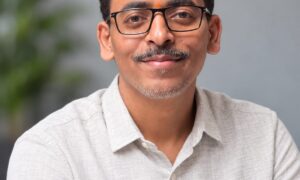
MUAZ KALAYCI: “INVESTORS ARE NO LONGER BUYING A PASSPORT. THEY ARE BUYING OPTIONS.”
Muaz Kalaycı, founder of Dubai-based DKD Global, has spent years advising international clients on second citizenship and residency across programs in Dominica, Saint Kitts and Nevis, Saint Lucia, Malta, and Argentina. What sets DKD Global apart operationally is not just the program coverage. The firm runs multilingual client operations out of Dubai, maintains documentation and cross-border profile analysis capacity through its U.S. office, and coordinates on-the-ground support in Argentina through established local partners. Each file is managed under central supervision across all three locations, which matters when a citizenship application involves simultaneous document preparation, due diligence coordination, and government submission across different jurisdictions.
Kalaycı is direct about what he sees in the market. “What changed is the mindset,” he says. “Five years ago, most of our clients came to us with a specific destination in mind. Today they come with a problem. They want optionality. They want to know that if something changes in their home country, their family has somewhere to go, their business has a jurisdiction to operate from, and their assets are not trapped.”
He draws a sharp line between what DKD Global does and what much of the industry offers. “This market has too many people selling passports like they are selling hotel rooms,” Kalaycı says. “A client who ends up in the wrong program does not just lose money. They lose time, and sometimes they lose the window entirely. Our job is to be the person in the room who slows things down and asks the right questions before anything is signed.”
On the Middle East specifically, where DKD Global has built a significant portion of its client base, Kalaycı is measured. “Dubai attracts people who have already made the decision to think internationally,” he says. “When they sit in front of us, the conversation is rarely about whether to get a second citizenship. It is about which program fits their tax situation, their travel patterns, and their five-year plan.”
THE ROAD AHEAD
New programs are coming. Botswana and Saint Vincent and the Grenadines are expected to join an already expanding landscape, and Argentina’s investment-based routes are drawing serious attention from clients who want a pathway into a country ranked 12th globally by passport strength. Demand from the Middle East, South Asia, and parts of Africa is not slowing. The programs that exist today will not look the same in two or three years. Thresholds will rise, nationality restrictions will tighten, and processing timelines will lengthen as due diligence requirements grow more demanding. For investors who have been thinking about a second citizenship, the most expensive decision is usually the one that keeps getting postponed.