Mobile Fleet Fueling Program: A Smarter Way to Refuel Business Fleets

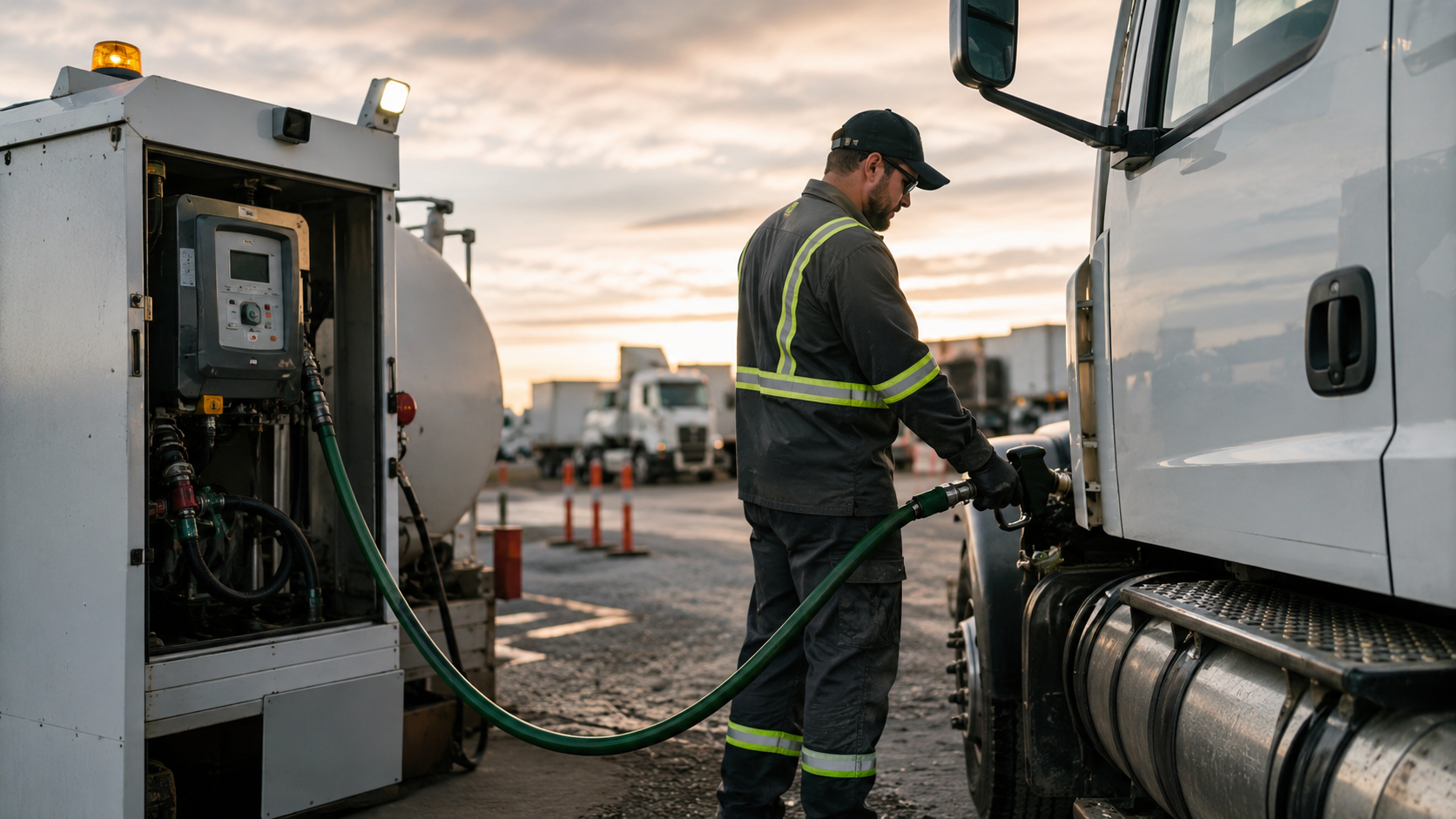
Mobile fleet fueling program is a comprehensive, modern fuel management solution that simplifies the way businesses maintain their vehicles and equipment. Rather than coming to the gas station, the fuel goes to the company’s location, whether it’s a warehouse, construction site, or parking yard. This is a way for organizations to have smoother operations, with vehicles always ready to roll at the start of each workday without added delays or detours.
With fuel costs, labour efficiency, and time management on the rise, many fleet operators are moving towards on-site fueling systems. Not only do these programs minimize downtime, but they also offer enhanced fuel management and cost control by providing central reporting and tracking. Fueling will be embedded in the business’s workflow, benefiting productivity, accountability, and making one of the most critical business operations easy.
Business Overview of Mobile Fueling
Mobile fleet fueling program is an optional service that brings fuel to business vehicles and equipment, eliminating the need for fleet drivers to go to conventional gas stations. Rather than waiting in line for fuel or stopping traffic service midday, fleets are fueled at their worksite, frequently at night or on downtime. It is commonly adopted in businesses that demand reliability, like logistics providers, construction companies, or delivery services.
Fuel centralisation provides companies with increased operational visibility and decreases inefficiencies associated with off-site fueling. This is usually done using fuel trucks with meters and tracking devices to ensure accurate dispensing and reporting. This simplifies and stabilizes fuel handling for fleet managers. This simplifies and stabilizes fuel handling for fleet managers.
How On-Site Fuel Delivery Works
On-site fuel delivery is a scheduled or automated process in which a fuel provider delivers fuel to a company’s site. Fuel trucks fill the required amount of fuel into the fuel tank of the fleet vehicles in a designated parking area. The whole procedure is frequently done before the working day.
Most providers will have digital systems that record fuel use in real time to ensure that this is transparent and accurate. These systems track:
- Vehicle identification
- Fuel quantity delivered
- When and where fueling is done
- Fuel used (diesel, gasoline, DEF)
This method is structured and minimizes human error, allowing businesses to always have accurate fuel records for accounting and compliance.
Fleet Operations Key Benefits
Improved operational efficiency is one of the best things about mobile fleet fueling. This cuts down on time spent away from the job at gas stations, meaning companies can have fewer downtimes and business personnel can concentrate on their jobs. This results in improved productivity for all vessels.
Further advantages are:
- Minimized idling of vehicles
- Fewer route interruptions
- Improved scheduling flexibility
- Smooth morning start-ups
Also, fleets don’t have to worry about inconsistent fueling, as it happens automatically or at a set time. This reduces delays due to unplanned fuel stops.
Cost Saving and Efficiency Improvements
Mobile fueling can be hugely cost-effective compared to conventional fueling. Although the price of fuel may not differ, the savings are because of less labor time, better routes, and less wear on vehicles from unnecessary travel.
For businesses, there are advantages of:
- Reduced driver downtime = lower payroll costs
- Prices for bulk fuels rather than retail station prices
- Lower mileage maintenance expense
- Better fuel use tracking
These efficiencies can result in significant savings over time, particularly for large fleets with regular fueling requirements.
Fuel Monitoring and Management Systems
Fueling and fuel management software are now sophisticated enough to give real-time fuel usage visibility, which is a feature of modern mobile fueling services. These systems can be used to monitor fuel usage, identify inefficiencies, and prevent unauthorized access.
Some of the key features can be:
- Digital fuel logs and reporting dashboards
- Fuel Consumption Analytics by vehicle
- Notifications of suspicious activity
- Fleet integration.Fleet integration
This transparency can guide businesses to make informed choices, aid in budget allocation, and ensure better management of fuel costs.
Common Industries that Utilize Mobile Fueling
Mobile fleet fueling is well established in industries that are heavily reliant on equipment uptime and transportation. These industries will gain the most from minimizing downtime and fuel logistics.
Common users include:
- Logistics and delivery companies
- The operators of construction and heavy equipment.Heavy equipment and construction equipment operators.
- Landscaping and maintenance services.
- Utility/emergency response fleets
- Waste management companies
On-site fueling is convenient for all of these sectors as they depend on the regular availability of fuel to operate.
Safety and Compliance in Fuel Delivery
A primary aspect of mobile fueling programs is safety. Professionals handling fuel are aware of the strict handling procedures to ensure that there are no spills, no leaks, and no environmental hazards. Fueling is properly and safely performed at all times by trained personnel.
Some examples of practices that might be required to comply are:
- Compliance with environmental requirements
- Correct fuel storage and handling procedure
- The procedures for the prevention and response to spills
- Regular equipment inspections
The standards ensure safe fuel operations and ensure that both businesses and the environment are protected.
Mobile Fueling vs Gas Station Refueling
The traditional way of refueling at gas stations involves drivers stopping their travels, wasting time and efficiency. Mobile fueling, however, delivers fuel to the fleet and saves the miles that would otherwise be spent traveling for fuel.
These include:
- Driver hours saved: On-site fueling reduces driver hours per day
- Mobile fueling helps to control costs and minimize waste.
- Convenience: Cars are fueled and ready to go when they get to work.
- Operational focus: Drivers remain focused on operational tasks.
Gas stations are still a good point to get fuel from for small-scale needs; however, for larger or active fleets, mobile fueling is more efficient.